
Learn to make authentic Yellow Dal with this detailed recipe, featuring pro tips and realistic timing.
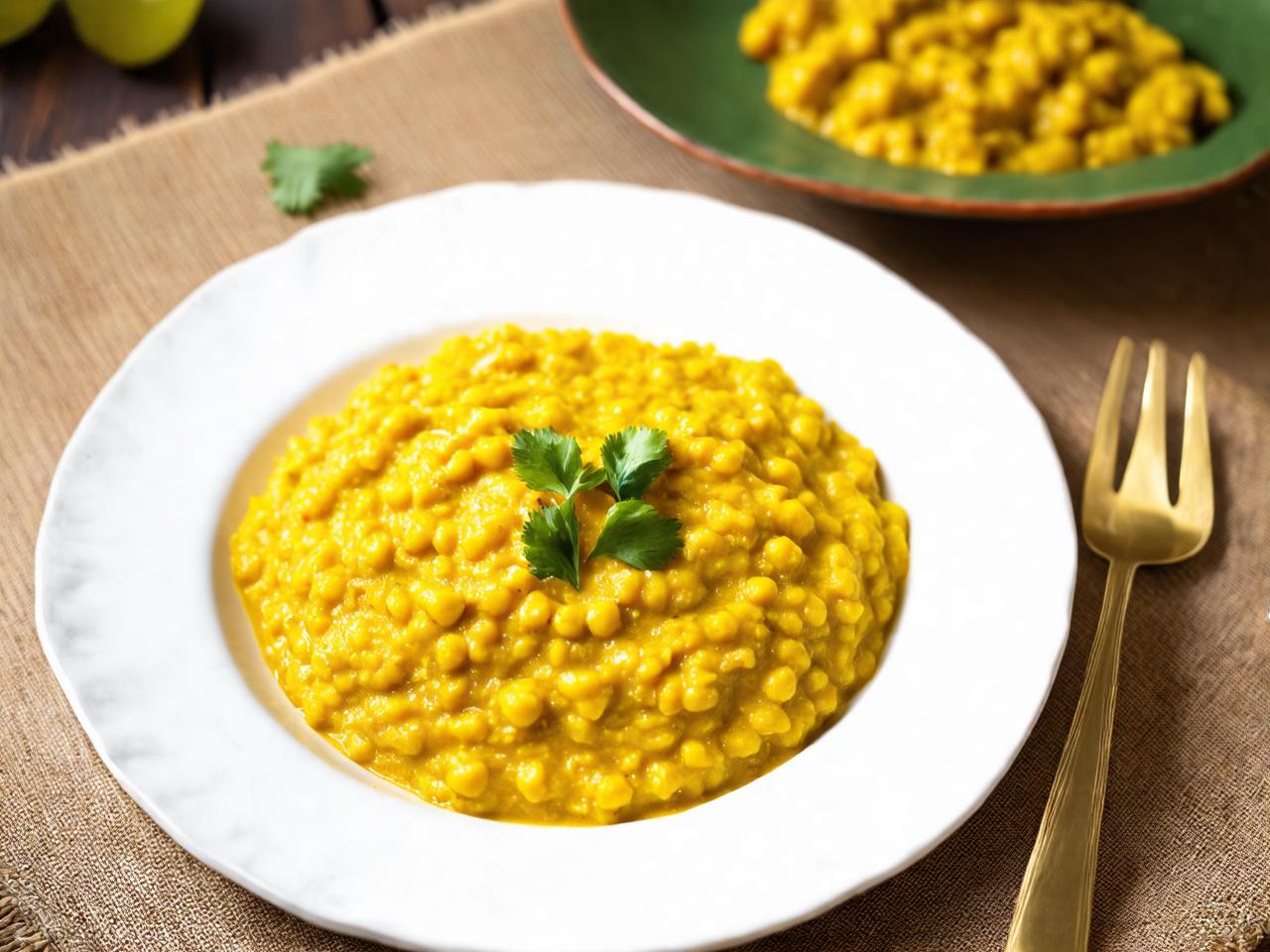
A Taste of Home: Understanding Yellow Dal
Yellow Dal, also known as Toor Dal, is a beloved staple in Indian cuisine. This vibrant lentil dish, with its warm yellow hue and comforting aroma, holds a special place in the hearts of many.
Originating from the Indian subcontinent, Yellow Dal has been a part of culinary traditions for centuries. Its simplicity and versatility make it a go-to meal for families across India, enjoyed for its nutritional value and heartwarming taste.
The lentils used in Yellow Dal are known for their high protein content and rich mineral profile. This, combined with the addition of aromatic spices and flavorful vegetables, creates a dish that is both satisfying and nourishing.
Yellow Dal Recipe Card
This vibrant and flavorful yellow dal recipe is a staple of Indian cuisine, made with split yellow lentils, aromatic spices, and a hint of turmeric.
- Serving size: 4-6 people
- Cooking time: 30-40 minutes
Nutritional Information (per serving):
- Calories: 250-300
- Protein: 15g
- Fiber: 8g
- Sodium: 200mg
This recipe makes approximately 1.5 liters of dal, which can be served with steaming hot rice, roti, or naan bread. The serving size and nutritional information are estimates and may vary based on specific ingredient quantities and portion sizes.
For a more authentic experience, try using a mixture of yellow and red lentils for a slightly thicker consistency and deeper flavor.
Ingredients for Yellow Dal
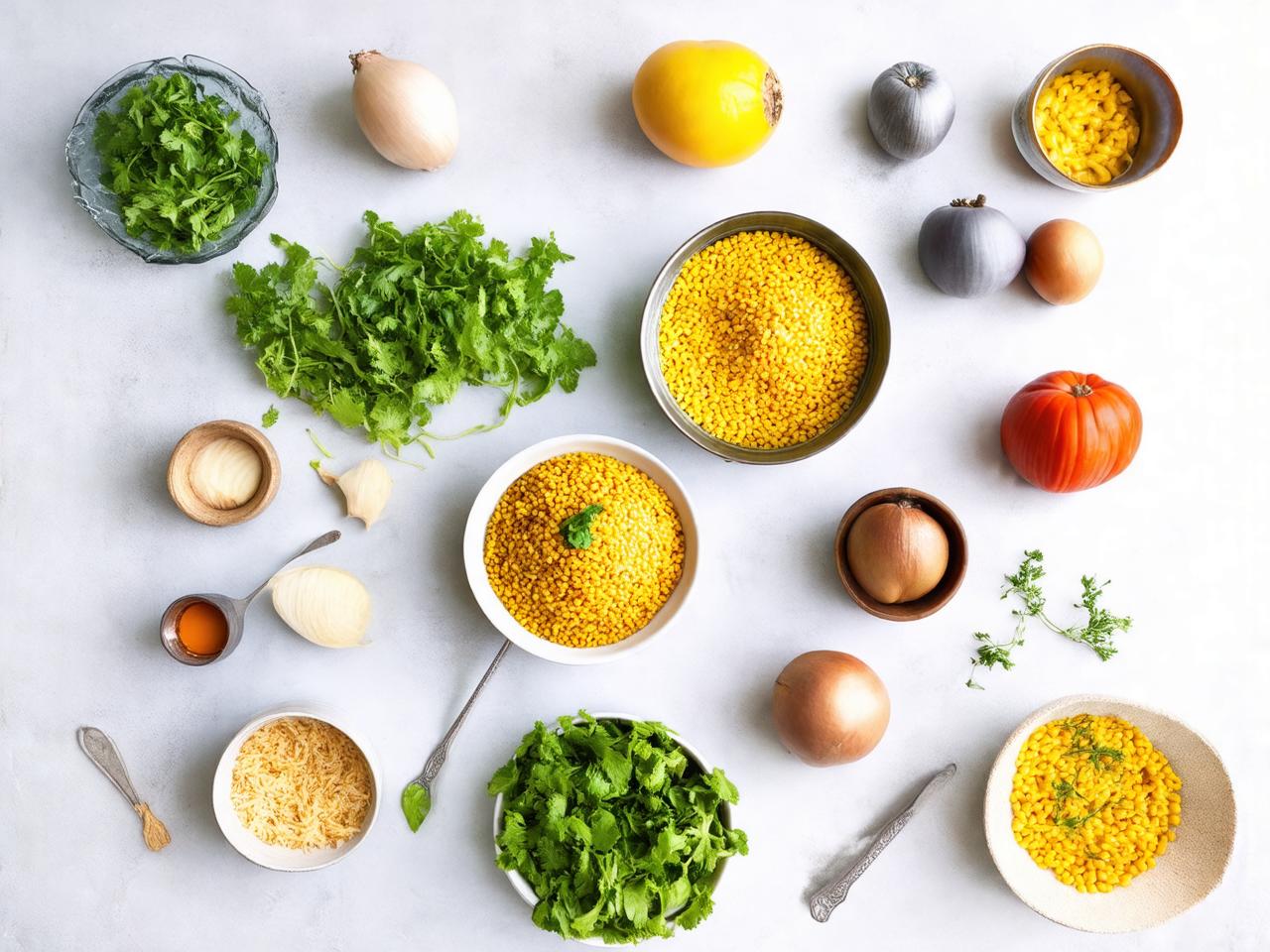
To create the perfect Yellow Dal, it’s essential to have the right combination of ingredients. The foundation of this dish is lentils, which provide protein, fiber, and a rich, earthy flavor. A blend of spices and aromatics adds depth and warmth to the dal.
The key to a great Yellow Dal is using high-quality ingredients in the right proportions. The following ingredients are necessary for a delicious and authentic Yellow Dal:
- 240 g / 1 cup split yellow moong dal (or split red lentils)
- 1 liter / 4 cups water
- 2 medium onions, chopped (250 g / 1 cup)
- 3 cloves of garlic, minced (15 g / 0.5 oz)
- 2 medium tomatoes, diced (200 g / 1 cup)
- 1 teaspoon ground turmeric
- 1 teaspoon ground cumin
- 1/2 teaspoon ground coriander
- 1/2 teaspoon salt
- 1/4 teaspoon black pepper
- 2 tablespoons vegetable oil (30 ml / 1 fl oz)
- Optional:
- 1-2 dried red chilies, broken into pieces
- 1 teaspoon grated fresh ginger
- 1/4 teaspoon asafoetida (hing)
- Chopped fresh cilantro, for garnish
These ingredients will help create a delicious and authentic Yellow Dal. The optional ingredients can be added to enhance the flavor and texture of the dish.
Step-by-Step Instructions for Yellow Dal
This recipe will guide you through each step of creating a flavorful and comforting bowl of Yellow Dal.
- Rinse the lentils: Place the 240 g (1 cup) of yellow split lentils in a fine-mesh sieve and rinse thoroughly under cold water until the water runs clear. This removes any impurities and helps prevent the dal from becoming too starchy.
- Soak the lentils (optional): For a quicker cooking time and softer lentils, soak them in cold water for 30 minutes to 1 hour before cooking.
- Sauté the spices: Heat 2 tablespoons of oil in a large pot over medium heat. Add 1 teaspoon of cumin seeds, 1/2 teaspoon of mustard seeds, and 1/4 teaspoon of turmeric powder. Sauté for 30 seconds to 1 minute, until the spices become fragrant.
- Add aromatics: Stir in 1 small chopped onion and 2 cloves of minced garlic. Sauté for 5 minutes, until the onion is softened and translucent.
- Add lentils and water: Add the rinsed lentils to the pot and stir well to coat them with the spices and aromatics. Pour in 6 cups (1.4 liters) of water and bring the mixture to a boil.
- Simmer the dal: Reduce the heat to low, cover the pot, and simmer for 20-25 minutes, or until the lentils are tender. Stir occasionally to prevent sticking.
- Season and finish: Season the dal with salt to taste, 1/2 teaspoon of red chili powder (adjust to your spice preference), and a squeeze of lemon juice. Simmer for an additional 5 minutes to allow the flavors to meld.
- Garnish and serve: Garnish the Yellow Dal with fresh cilantro and serve hot with rice, roti, or naan bread.
Pro Tips for Making the Perfect Yellow Dal
Mastering the art of yellow dal requires attention to detail, quality ingredients, and a few expert tricks. Here’s how to take your dal to the next level:
- Choose the right lentils: For a traditional yellow dal, use split yellow lentils (moong dal) or a combination of split red and yellow lentils. Avoid using whole lentils, as they can be too dense and take longer to cook.
- Spice it up: Blend your own spice mix using a combination of ground cumin, coriander, turmeric, and red chili powder. Adjust the proportions to suit your taste preferences.
- Don’t overcook: Yellow dal should be tender but still retain some texture. Overcooking can result in a mushy, unappetizing consistency.
- Add acidity: A squeeze of fresh lime juice or a splash of vinegar can brighten the flavors and balance the richness of the dal.
- Experiment with aromatics: Saute onions, garlic, and ginger to add depth and complexity to your dal. You can also try adding other aromatics like leeks or shallots.
Common pitfalls to avoid:
- Insufficient soaking: Make sure to soak the lentils for at least 30 minutes to ensure even cooking.
- Over-reliance on store-bought spice blends: While convenient, pre-mixed spice blends can lack the depth and character of freshly blended spices.
Substitutions and Alternatives in Yellow Dal
To cater to various dietary needs, several ingredients in the Yellow Dal recipe can be substituted or modified. For a vegan version, replace 240 g / 1 cup of ghee with the same amount of coconut oil or canola oil, which will slightly alter the flavor profile.
- For gluten-free diets, ensure the asafoetida (hing) used is gluten-free, as some brands may contain gluten. Use 0.6 g / 0.25 teaspoons of gluten-free asafoetida.
- To reduce sodium, limit the amount of salt to 1.25 g / 0.25 teaspoons or use a low-sodium salt alternative.
- As a substitute for 120 g / 0.5 cup of fresh cilantro, use 15 g / 1 tablespoon of dried cilantro or 60 g / 2 cups of fresh parsley, which will change the flavor slightly.
When making these substitutions, note that the flavor and texture of the Yellow Dal may vary. Adjust the amount of spices and seasonings accordingly to achieve the desired taste. Cook the dal at 180°C / 350°F for the best results.
Variations and Creative Twists on Yellow Dal
Yellow Dal is a wonderfully versatile dish that lends itself to many delicious variations. Here are a few ideas to inspire you:
-
South Indian Style
Add a touch of South Indian flavour by incorporating mustard seeds, curry leaves, and a pinch of asafoetida (hing) to the tempering. You can also add a squeeze of lime juice at the end for a tangy kick. This variation takes about 5 minutes longer to prepare.
-
Spicy Tomato Dal
Boost the heat and add a vibrant colour by including chopped tomatoes in the dal while it simmers. A teaspoon of red chilli flakes or a chopped green chilli will amplify the spiciness. This variation takes about 10 minutes longer to cook.
-
Creamy Coconut Dal
For a richer, creamier dal, stir in a spoonful of coconut milk during the last few minutes of cooking. This variation adds a subtle sweetness and a touch of exotic flavour.
-
Dal with Roasted Vegetables
Add roasted vegetables like cauliflower, carrots, or potatoes to your dal for a hearty and nutritious meal. Simply roast the vegetables separately at 200°C (400°F) for 20-25 minutes before adding them to the dal. This variation takes about 15 minutes longer to prepare.
Storing and Reheating Yellow Dal: Tips for Optimal Flavor and Nutrition
Properly storing and reheating Yellow Dal is crucial to maintaining its rich flavor, creamy texture, and high nutritional value. Follow these guidelines to ensure your dal stays delicious and safe to eat.
Storing Yellow Dal
- Allow the dal to cool completely before refrigerating or freezing.
- Transfer the cooled dal to an airtight container, such as a glass or stainless steel container.
- Refrigerate the dal for up to 3 to 5 days or freeze for up to 3 months.
Reheating Yellow Dal
- Refrigerated dal: Reheat it over low heat, whisking occasionally, until warmed through.
- Frozen dal: Thaw overnight in the refrigerator, then reheat as above.
- Temperature guidelines: Reheat the dal to an internal temperature of 74°C (165°F) to ensure food safety.
Remember to always check the dal’s temperature and texture before serving to ensure it meets your standards.
Troubleshooting Common Issues with Yellow Dal
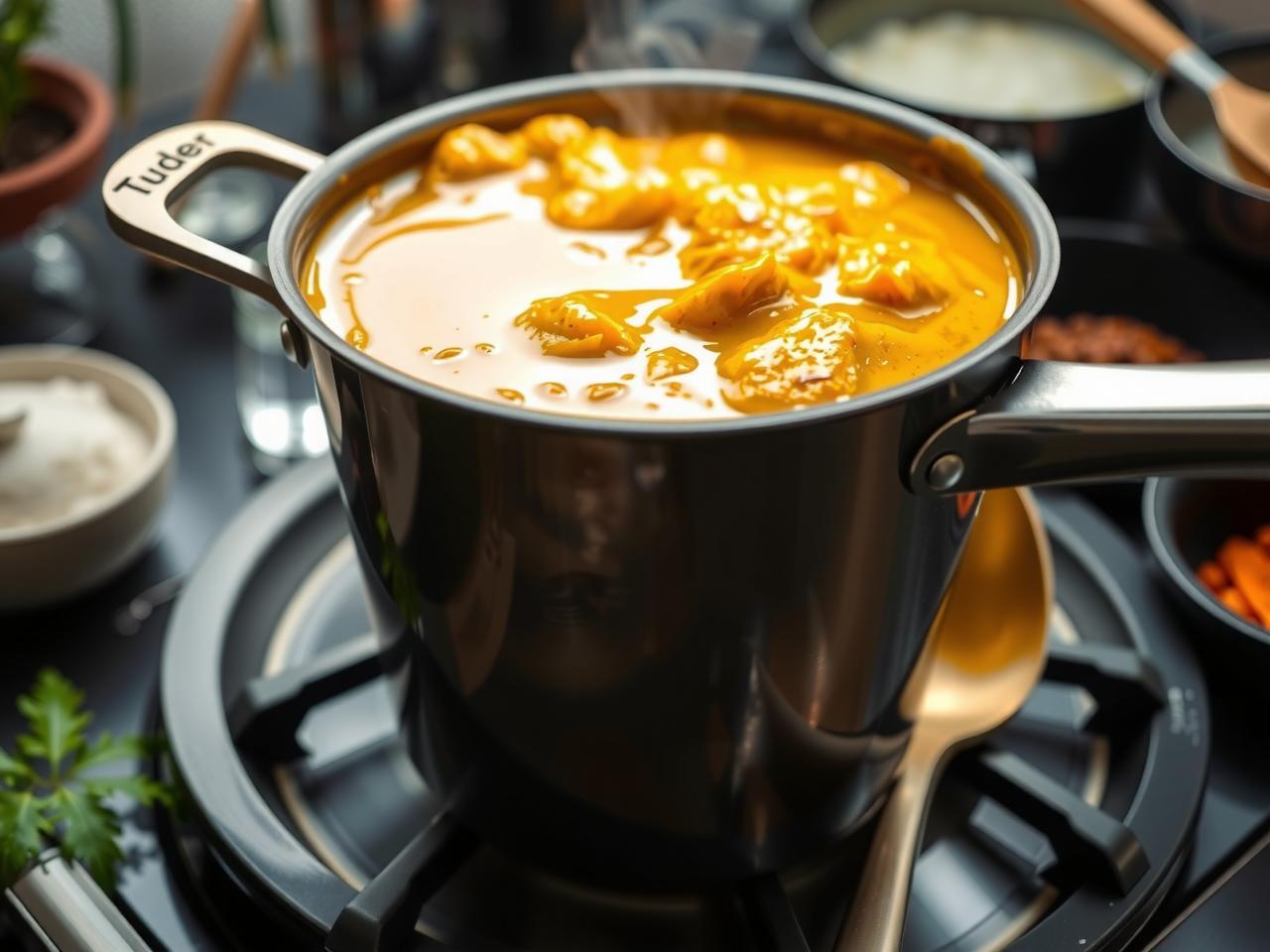
Yellow Dal can be a delicate dish to prepare, and several issues can arise during cooking. Identifying and resolving these problems is crucial to achieving the perfect flavor and texture.
Common Problems and Fixes
The following are some common issues encountered when cooking Yellow Dal, along with their solutions:
- Undercooked lentils: This can be resolved by cooking the lentils for an additional 10-15 minutes or until they are tender. Ensure the water level is adequate, as lentils absorb water as they cook.
- Overcooked lentils: To prevent overcooking, monitor the lentils closely during the last 10 minutes of cooking. If they become too soft, reduce the cooking time in future attempts.
- Unbalanced flavor profile: Adjust the amount of spices, such as turmeric (2.5 g / 1 1/2 teaspoons) or cumin (1.25 g / 1 teaspoon), to achieve the desired flavor. Adding a splash of lemon juice (15 ml / 1 tablespoon) can also help balance the flavors.
- Lack of creaminess: Adding a small amount of ghee (30 g / 2 tablespoons) or cream (60 ml / 1/4 cup) towards the end of cooking can enhance the creaminess of the Yellow Dal.
By being aware of these common issues and their solutions, it’s possible to create a delicious and well-balanced Yellow Dal dish, cooked to perfection at 180°C / 350°F.
Nutritional Powerhouse: Yellow Dal
Yellow dal, also known as toor dal, is a nutritional powerhouse packed with protein, fiber, and essential minerals. Each serving provides a good dose of plant-based protein, helping to build and repair tissues. The fiber content aids digestion and promotes satiety, making it a great addition to a balanced diet.
This versatile lentil is also rich in iron, which is crucial for oxygen transport in the body, and magnesium, which supports bone health and energy production. Yellow dal is naturally gluten-free and dairy-free, making it suitable for various dietary needs.
Nutritional Highlights (per 1 cup cooked):
- Calories: 230
- Protein: 18g
- Fiber: 16g
- Iron: 6mg
- Magnesium: 80mg
Diet Tags: GF, DF, Vegan
Frequently Asked Questions about Yellow Dal
Yellow Dal is a popular Indian-inspired lentil dish that has gained worldwide recognition for its comforting flavors and nutritional benefits. If you’re new to cooking Yellow Dal or have questions about its preparation, we’ve got you covered.
Origins and Ingredients
- What is Yellow Dal made of? Yellow Dal is typically made from split yellow lentils (moong dal) and a combination of spices, including turmeric, cumin, and coriander.
- Where does Yellow Dal originate from? Yellow Dal is a staple in Indian cuisine, specifically in the southern region, where lentils are a common protein source.
Cooking Methods
- How do I cook Yellow Dal? Simply sauté the spices, add the lentils and water, and simmer until the lentils are tender. You can also pressure cook for a quicker preparation.
- How long does Yellow Dal take to cook? The cooking time depends on the method used, but it typically takes around 20-30 minutes to cook Yellow Dal on the stovetop.
For more information and a step-by-step recipe, visit our Yellow Dal Recipe page.
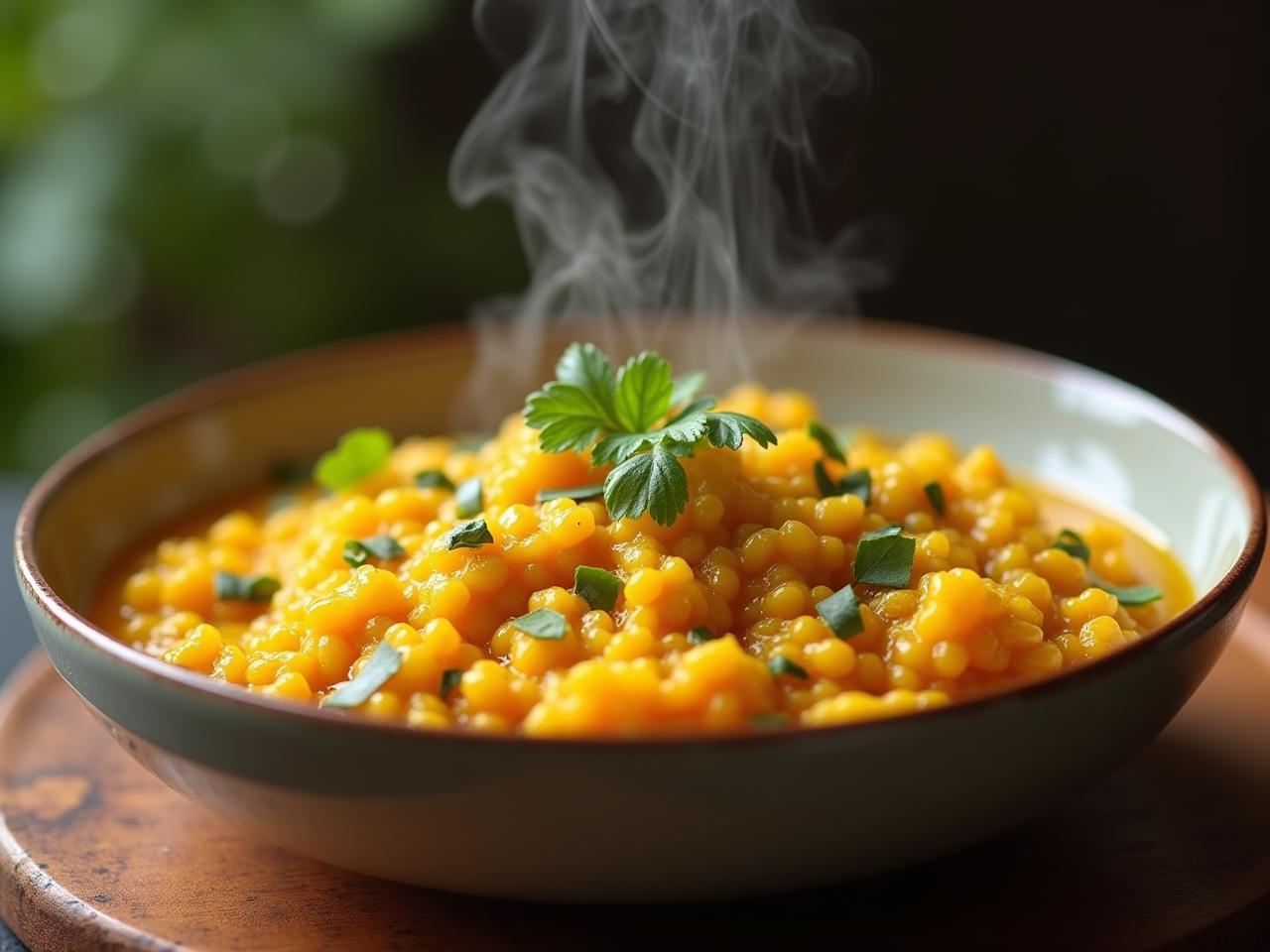
Key Takeaways for Making Delicious Yellow Dal
To create an authentic and delicious Yellow Dal, several essential points must be considered. Firstly, ingredient selection is crucial, with 240 g / 1 cup of split yellow lentils (moong dal) being the primary component. Additionally, 2 medium onions, 3 cloves of garlic, and 1 medium tomato should be used.
- Cooking techniques, such as sautéing the onions, garlic, and spices in 2 tablespoons of oil over medium heat (180°C / 350°F), are vital for developing the flavor.
- The lentils should be cooked in 480 ml / 2 cups of water at a rolling boil (100°C / 212°F), then reduced to a simmer (80°C / 176°F) until they are tender.
- Presentation is also important, with the addition of fresh cilantro and a squeeze of fresh lime juice enhancing the overall appearance and flavor of the dish.
By following these key takeaways, a delicious and authentic Yellow Dal can be created, perfect for serving with steamed basmati rice or naan bread.
Mastering the Art of Yellow Dal
With this iconic recipe under your belt, you’ll unlock a world of flavors in Indian cuisine. Yellow Dal is more than just a comforting lentil dish – it’s a testament to the rich cultural heritage of India.
By mastering this recipe, you’ll be able to create a versatile base for a variety of delicious meals. Experiment with different spices, herbs, and vegetables to create unique variations that suit your taste.
We encourage you to try this recipe and explore other Indian classics, like Chana Masala or Palak Paneer. The journey of discovering Indian cuisine is just beginning, and we’re excited to have you along!