
Learn how to make the softest bread ever with our expert-approved recipe, complete with tips, substitutions, and storage advice for perfect results every time.
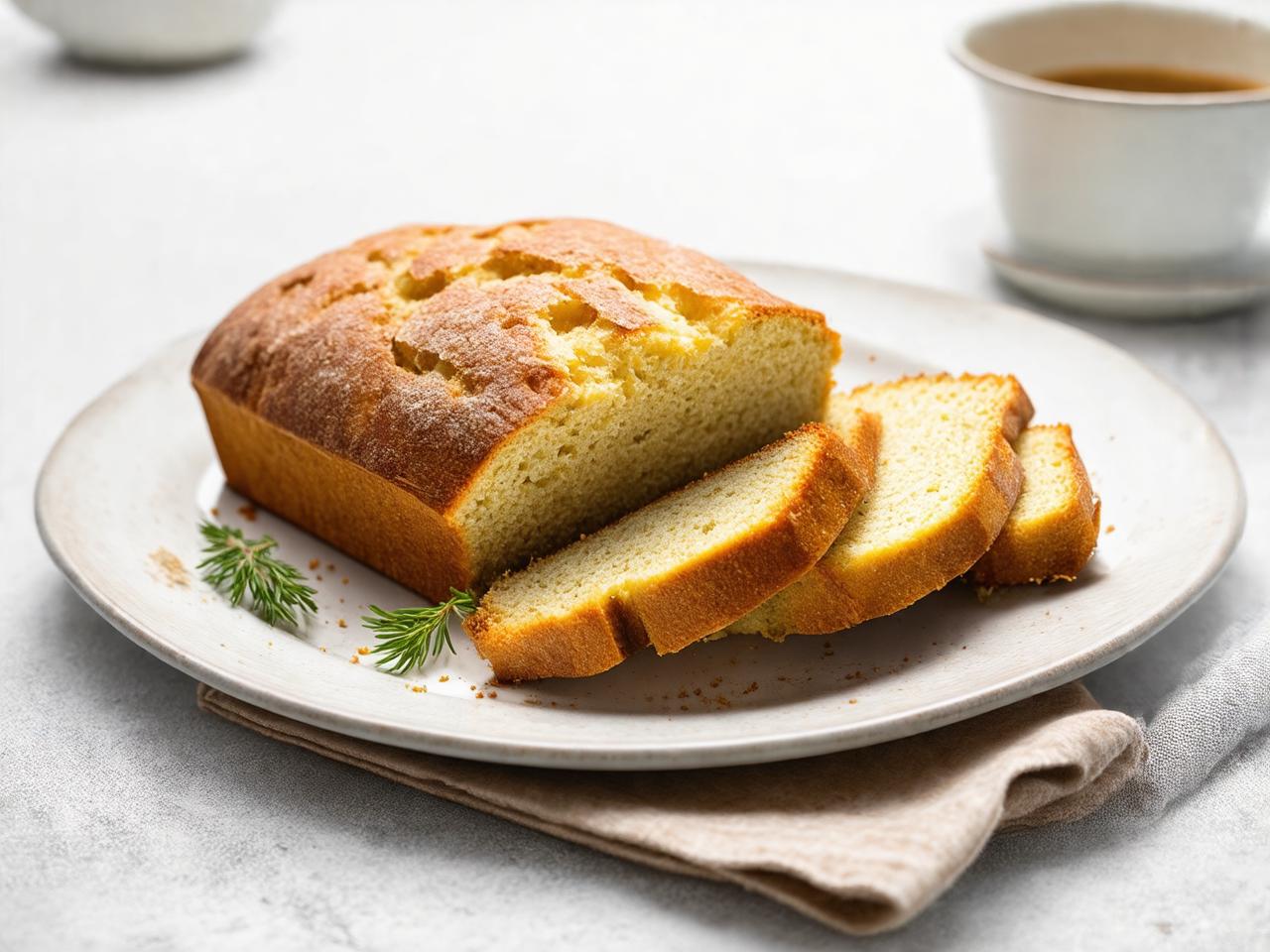
The Secret to Super Soft Bread: A Recipe You’ll Love
For a truly exceptional bread experience, look no further than this super soft bread recipe. Perfect for crafting delicious sandwiches, toast, or simply enjoying on its own, this homemade bread is a game-changer. The key to its success lies in a combination of high-moisture ingredients and a precise baking process.
To achieve the perfect texture, it’s essential to maintain a consistent temperature of 200°C / 400°F during baking. This, paired with the right balance of ingredients, including 240 g / 1 cup of warm milk and 15 g / 1 tablespoon of sugar, will yield a soft and fluffy crumb.
- High-moisture dough for maximum softness
- Precise temperature control for even baking
- Quality ingredients for superior flavor
With this super soft bread recipe, the possibilities are endless. Whether you’re a seasoned baker or just starting out, this recipe is sure to become a staple in your household. So why settle for ordinary bread when you can have super soft bread that’s sure to impress?
Super Soft Bread Recipe: Quick Overview
Craving a loaf of bread that practically melts in your mouth? Look no further! This recipe yields a wonderfully soft and flavorful bread that’s perfect for sandwiches, toast, or simply enjoying with a pat of butter.
It’s surprisingly easy to make, with minimal ingredients and a straightforward process. Get ready for a baking experience that’s both rewarding and delicious.
- Prep Time: 15 minutes
- Cook Time: 30-35 minutes
- Servings: 8
Gather Your Ingredients: The Key to Softness
Soft, fluffy bread is a delight to bite into, but it all starts with the right ingredients. Here’s a list of what you’ll need to create our Super Soft Bread Recipe:
- Flour: 400g / 2 1/4 cups (bread flour or all-purpose flour with a high protein content)
- Yeast: 10g / 2 teaspoons (active dry yeast or instant yeast)
- Salt: 10g / 2 teaspoons (unrefined sea salt or kosher salt)
- Sugar: 20g / 1 tablespoon (granulated sugar)
- Water: 320ml / 1 1/3 cups (warm water, around 37°C / 98.6°F)
- Butter: 60g / 4 tablespoons (melted unsalted butter)
Optional Ingredients for Extra Flavour:
- Herbs: 10g / 2 teaspoons (fresh or dried herbs like rosemary, thyme, or oregano)
- Spices: 5g / 1 teaspoon (ground cinnamon, nutmeg, or cardamom)
- Flavour enhancers: 5g / 1 teaspoon (optional: salt-free seasoning blends or instant coffee powder)
Make sure to measure your ingredients accurately, as this will directly impact the texture and quality of your bread. Use a digital kitchen scale for precise measurements, and always use room temperature ingredients for the best results.
Step-by-Step Instructions: From Mix to Bake
To achieve the perfect super soft bread, it’s essential to follow a well-structured process, ensuring each stage is completed with precision and care, using a super soft bread recipe that yields excellent results in homemade bread instructions.
Begin by activating the yeast in 350 ml / 1.5 cups of warm water at 37°C / 98.6°F, mixing it with 15 g / 1 tablespoon of sugar to create an ideal environment for fermentation, a crucial step in many bread instructions.
- Mix 500 g / 2.5 cups of bread flour, 10 g / 1 teaspoon of salt, and 15 g / 1 tablespoon of sugar in a large bowl, combining dry ingredients thoroughly, a common step in many super soft bread recipes.
- Add 240 g / 1 cup of milk at 25°C / 77°F to the dry ingredients, stirring to form a shaggy dough that will eventually become a delicious homemade bread.
- Gradually pour in the yeast mixture, mixing until a sticky ball forms, typically within 5 minutes of continuous stirring, an important part of the super soft bread recipe.
- Knead the dough for 10 minutes at a speed of 100 rpm, until it becomes smooth and elastic, indicating the development of gluten, a key aspect of many bread instructions.
- Place the dough in a greased bowl, cover it with plastic wrap, and let it rise in a warm place at 25°C / 77°F for 1 hour, or until it has doubled in size, a standard step in homemade bread recipes.
- Punch down the dough, releasing any air bubbles that have formed, and shape it into a round or oblong loaf, a versatile shape in super soft bread recipes.
- Place the shaped dough onto a baking sheet lined with parchment paper, cover it with a clean towel, and let it rise for an additional 30 minutes at 25°C / 77°F, allowing the yeast to activate further, an essential step in many bread instructions.
- Preheat the oven to 200°C / 392°F, with a baking stone or baking steel inside, if available, to enhance crust browning and crispiness, a desirable outcome in homemade bread.
- Bake the bread for 25-30 minutes, or until it reaches an internal temperature of 90°C / 194°F, and the crust is golden brown, indicating a perfectly baked super soft bread.
- Remove the bread from the oven, and let it cool on a wire rack for at least 10 minutes before slicing, allowing the internal temperature to drop to 50°C / 122°F, a crucial step in preserving the texture of homemade bread.
By following these step-by-step instructions and using a reliable super soft bread recipe, you’ll be able to create a delicious, homemade bread that’s sure to impress, with a perfect balance of texture and flavor, making it an excellent addition to any meal or occasion.
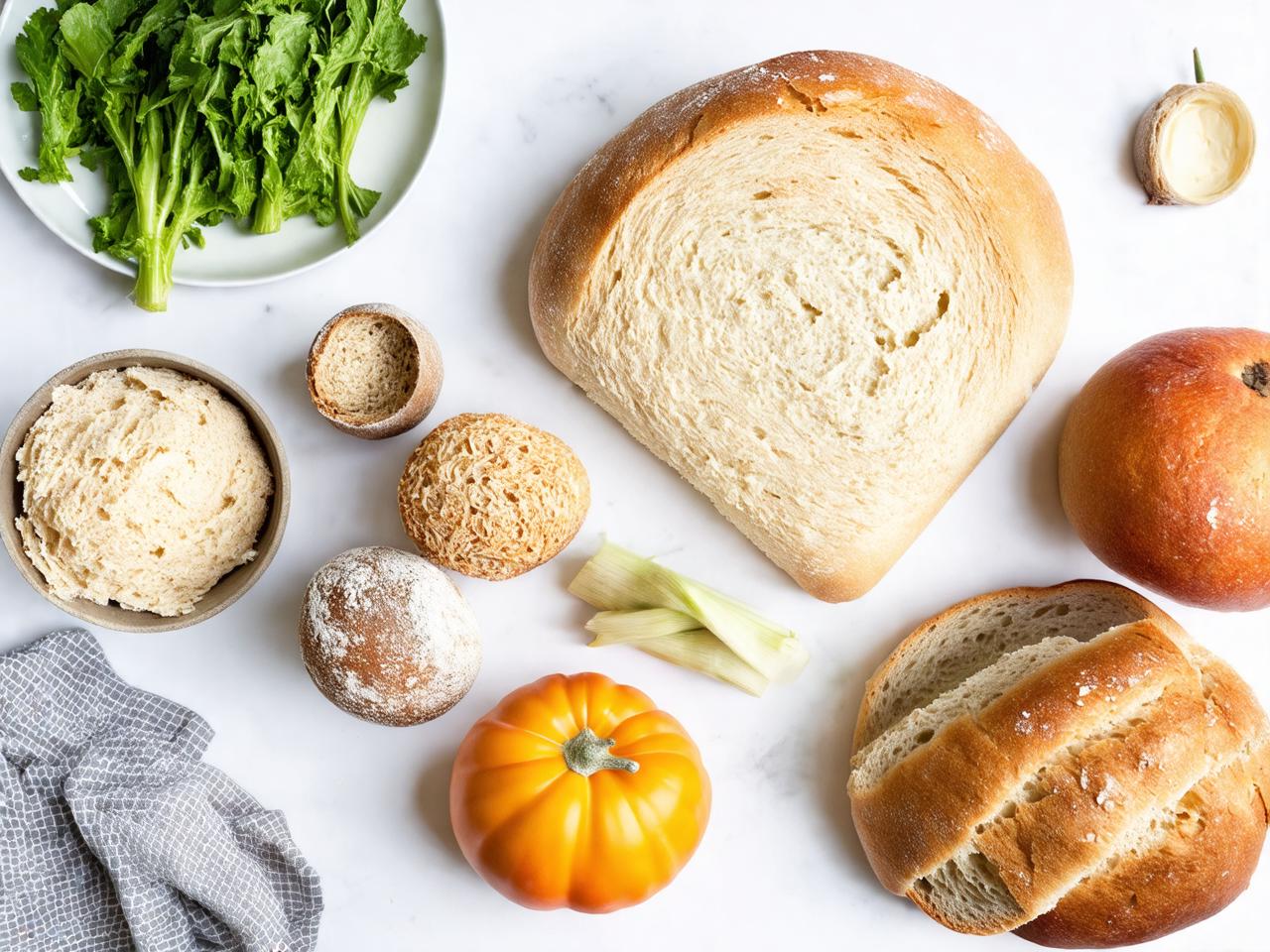
Pro Tips for Achieving Super Soft Bread
Want your homemade bread to be seriously soft and pillowy? Here’s the inside scoop on creating the perfect conditions for your dough to rise and avoiding common pitfalls:
Temperature Matters
Yeast loves warmth, but not scorching heat. Aim for a room temperature of around 24°C (75°F) for optimal fermentation. Too cold, and the yeast will be sluggish; too hot, and it’ll die. A warm spot near a sunny window or a slightly heated oven (turned off!) can be perfect.
Hydration is Key
The amount of water you use directly affects the texture of your bread. For super soft loaves, err on the side of a slightly wetter dough. This creates more gluten development, leading to a lighter, airier crumb.
Kneading Know-How
Kneading develops the gluten, which gives bread its structure. Don’t be afraid to get your elbows in! Knead for at least 8-10 minutes until the dough is smooth and elastic. If you’re using a stand mixer, use the dough hook attachment.
Proofing Perfection
Allow your dough to rise in a warm, draft-free place. A lightly oiled bowl covered with a damp cloth works well. The dough should double in size, which usually takes 1-2 hours. Don’t rush this stage!
Substitutions and Swaps: When You Can’t Find the Perfect Ingredient
While the Super Soft Bread Recipe calls for specific ingredients, there are some substitutions and swaps you can make to accommodate what’s available in your pantry or local store.
Substituting All-Purpose Flour
For a lighter texture, try substituting 25% of the all-purpose flour with cake flour or pastry flour. For a nuttier flavor, use 25% whole wheat flour.
Swapping Out Sugar
Replace granulated sugar with brown sugar in a 1:1 ratio. Honey or maple syrup can be used, but reduce the amount to 75% of the original sugar amount, as they add more moisture.
Yeast Substitutions
Active dry yeast can be replaced with instant yeast or rapid rise yeast, using the same amount called for in the recipe.
Ingredient List
- 500 g all-purpose flour (3 cups)
- 10 g salt (1 1/2 teaspoons)
- 10 g sugar (2 teaspoons)
- 7 g instant yeast (1 1/2 teaspoons)
- 350 ml warm water (130°F / 54°C)
- Optional: sesame seeds, poppy seeds, or dried herbs for topping
- Optional: 1 egg, beaten (for egg wash)
When making substitutions, keep an eye on the dough’s texture and adjust the recipe as needed to achieve the desired result.
Get Creative: Variations on the Super Soft Bread Recipe
Experiment with different ingredients and techniques to create unique flavor profiles and textures. Here are some ideas to get started:
- Garlic and Herb Bread: Add 3 cloves of minced garlic and 2 tablespoons of chopped fresh herbs (such as rosemary or thyme) to the dough. Flavor profile: savory, aromatic. Time change: +10 minutes to account for the extra ingredients.
- Whole Wheat and Honey Bread: Replace 120 g / 1/2 cup of all-purpose flour with whole wheat flour and add 2 tablespoons of honey. Flavor profile: nutty, slightly sweet. Time change: +15 minutes due to the denser flour.
- Cheesy Bread: Mix in 120 g / 1/2 cup of grated cheese (such as cheddar or parmesan) into the dough. Flavor profile: rich, cheesy. Time change: +5 minutes to ensure the cheese is fully incorporated.
Bake these variations at 200°C / 400°F for the best results. Remember to adjust the baking time based on the specific variation and your oven’s temperature.
Storing Your Super Soft Bread: Tips and Tricks
You’ve poured your heart into baking the perfect loaf of super soft bread, now let’s ensure it stays that way! Proper storage is key to keeping your bread fresh and delicious for days.
Room Temperature Storage
For short-term storage (1-2 days), a bread box or airtight container at room temperature is ideal. This allows the bread to breathe slightly, preventing it from becoming too soggy. If you don’t have a bread box, a reusable shopping bag works well too!
Pro Tip: Place a slice of apple or a few sprigs of fresh rosemary in the container to absorb excess moisture and add a lovely aroma.
Freezing for Longer Freshness
To freeze your super soft bread, first let it cool completely. Then, slice it (or leave it whole) and wrap each slice or the entire loaf tightly in plastic wrap, followed by a layer of aluminum foil. This double wrapping helps prevent freezer burn.
Tip: Label and date your frozen bread for easy identification.
When you’re ready to enjoy, thaw your sliced bread at room temperature or pop the whole loaf in a preheated oven at 180°C (350°F) for 10-15 minutes.
Common Pitfalls to Avoid
- Storing bread in a plastic bag without any ventilation can lead to condensation and a soggy loaf.
- Freezing bread that’s still warm can cause ice crystals to form, affecting the texture.
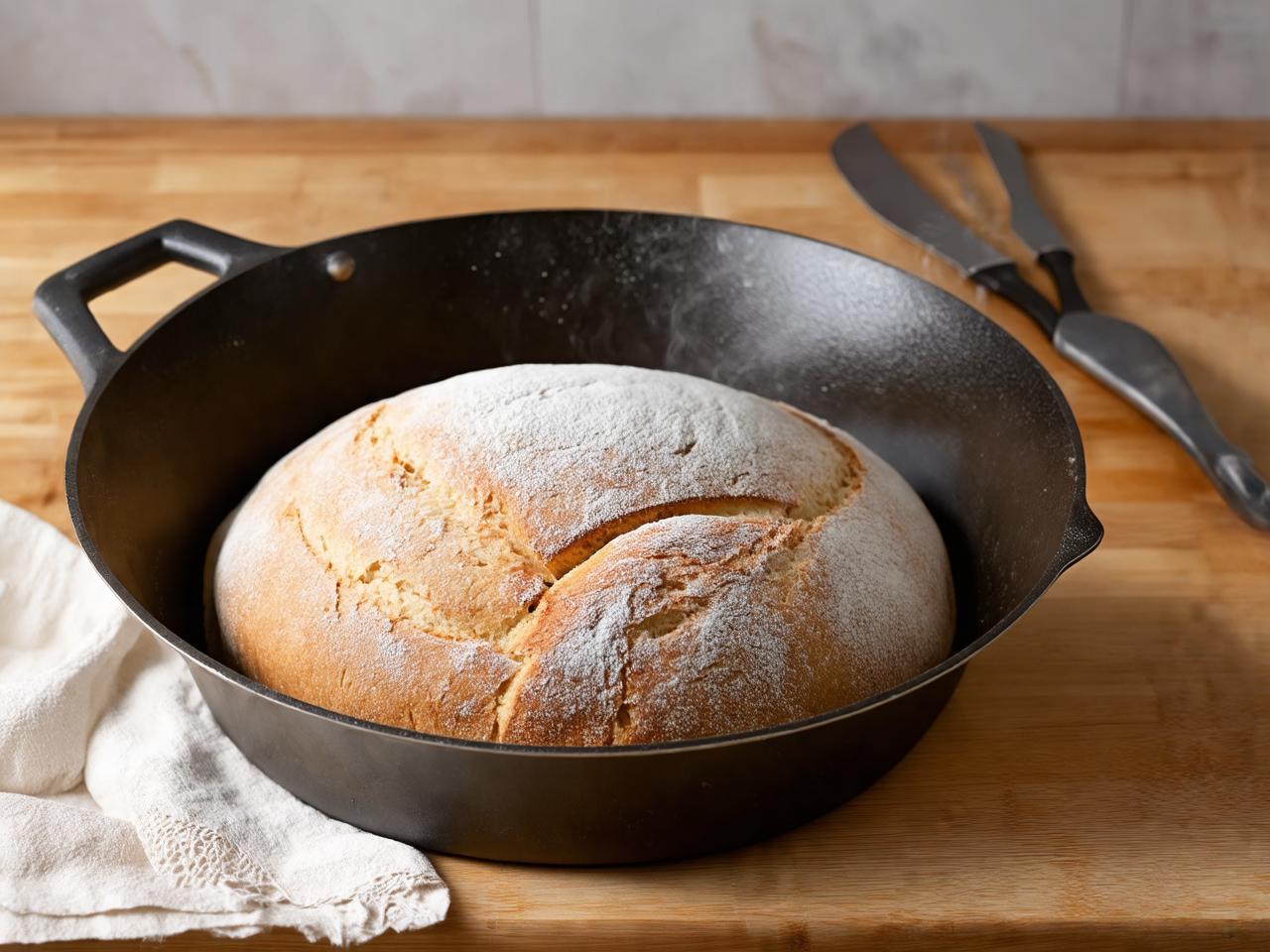
What to Do When Things Go Wrong: Troubleshooting Common Issues in Super Soft Bread Recipe
Making super soft bread sounds like a breeze, but sometimes things don’t quite go as planned. Don’t worry, we’ve got you covered. Here are some common issues and their fixes to help you get back on track.
Common Issues and Fixes:
- Dense or Hard Bread
- Problem: Insufficient yeast or overmixing the dough.
- Fix: Check yeast expiration and use the right amount. Mix wet and dry ingredients separately before combining.
- Bread Doesn’t Rise
- Problem: Incorrect oven temperature or yeast not activated.
- Fix: Ensure oven temperature is accurate (220°C / 425°F). Activate yeast by mixing it with warm water before adding to dough.
- Bread Overproofs
- Problem: Overmixing or overproofing the dough.
- Fix: Mix ingredients just until combined. Monitor proofing time and shape dough when needed.
Remember, practice makes perfect. Don’t be discouraged if your first loaf doesn’t turn out as expected. With these troubleshooting tips, you’ll be well on your way to baking delicious super soft bread.
Nutrition Information: The Good and the Not-So-Good
Our super soft bread recipe offers approximately 120 calories per serving (1 slice, 30 g / 1 oz), with a macronutrient breakdown of 2 g protein, 2 g fat, and 25 g carbohydrates. While it is not gluten-free (GF), dairy-free (DF), or vegan, it can be adapted to suit these diets with modifications.
- High in complex carbohydrates for sustained energy
- Good source of fiber, containing 2 g per serving
- Can be made with whole wheat flour for added nutrition
To make our super soft bread recipe healthier, consider using less sugar and adding nuts or seeds for extra nutrition and texture.
- Q: Can I use a stand mixer to knead the dough? Yes, you can use a stand mixer with a dough hook attachment to knead the dough. However, be careful not to overmix, as this can lead to a dense bread.
- Q: Why is it essential to let the dough rest in the refrigerator overnight? Allowing the dough to rest in the refrigerator overnight, also known as the “retard” stage, helps to slow down yeast activity, develop the dough’s flavor, and make it easier to shape and bake.
- Q: Can I bake the bread in a toaster oven or air fryer? Yes, you can bake the bread in a toaster oven or air fryer, but you may need to adjust the baking time and temperature. Keep an eye on the bread to avoid overcooking.
- Q: How do I store leftover bread to keep it fresh for a longer period? Store leftover bread in an airtight container at room temperature for up to 2 days. You can also freeze the bread for up to 2 months. Simply thaw at room temperature or reheat in the oven before serving.
Frequently Asked Questions: Your Burning Questions Answered
We’ve baked a lot of loaves (and answered a lot of questions!) about our super soft bread recipe. Here are some of the most common queries and their answers.
Why is my bread not as soft as yours?
The secret to super softness lies in the hydration level of the dough and the kneading technique. This recipe uses a higher water content, which creates a more extensible dough. Make sure to knead thoroughly until the dough is smooth and elastic. This develops the gluten, which traps the air bubbles and results in a lighter, softer crumb.
Can I use a different type of flour?
While we recommend using bread flour for its high protein content, you can experiment with other types. All-purpose flour will work, but the bread might be slightly less soft. For a chewier texture, try using whole wheat flour, but reduce the water content slightly.
How long can I store the bread?
Store the baked bread in a bread box or an airtight container at room temperature for up to 3 days. For longer storage, freeze the bread in slices for up to 3 months.
Key Takeaways: The Essentials for Super Soft Bread
Mastering the art of super soft bread requires attention to detail and a few crucial techniques. Here are the key takeaways from our recipe to help you achieve perfect results every time.
- Use the right flour**: We recommend using a high-protein bread flour (12-14% protein) to create a strong gluten structure, resulting in a soft and airy crumb.
- Don’t overmix**: Mix the dough just until the ingredients come together in a shaggy mass, then let the dough rest and do its magic.
- Use the right temperature**: Make sure your ingredients, including the water, are at room temperature (20-22°C / 68-72°F) to promote even yeast activity.
- Don’t overproof**: Keep an eye on your dough’s rise time, and let it proof for the recommended 1-2 hours to prevent over-proofing and a dense crumb.
- Steam is key**: Create a steamy environment in your oven by using a Dutch oven or a baking stone with a pan of water to produce a soft and golden crust.
By following these essential tips and techniques, you’ll be well on your way to baking the most delicious and super soft bread you’ve ever tasted.
The Ultimate Super Soft Bread Recipe
There you have it – the secrets to baking the most incredible, super soft bread imaginable. With these tips and tricks, you’ll be well on your way to creating loaves that are light, airy, and melt-in-your-mouth delicious.
Don’t hesitate to give this recipe a try! Your taste buds will thank you. And if you’re looking for more bread-baking adventures, explore our collection of other delicious bread recipes – from crusty sourdough to fluffy focaccia, we’ve got something for every craving.