
Make authentic soft fluffy French bread at home with this detailed recipe
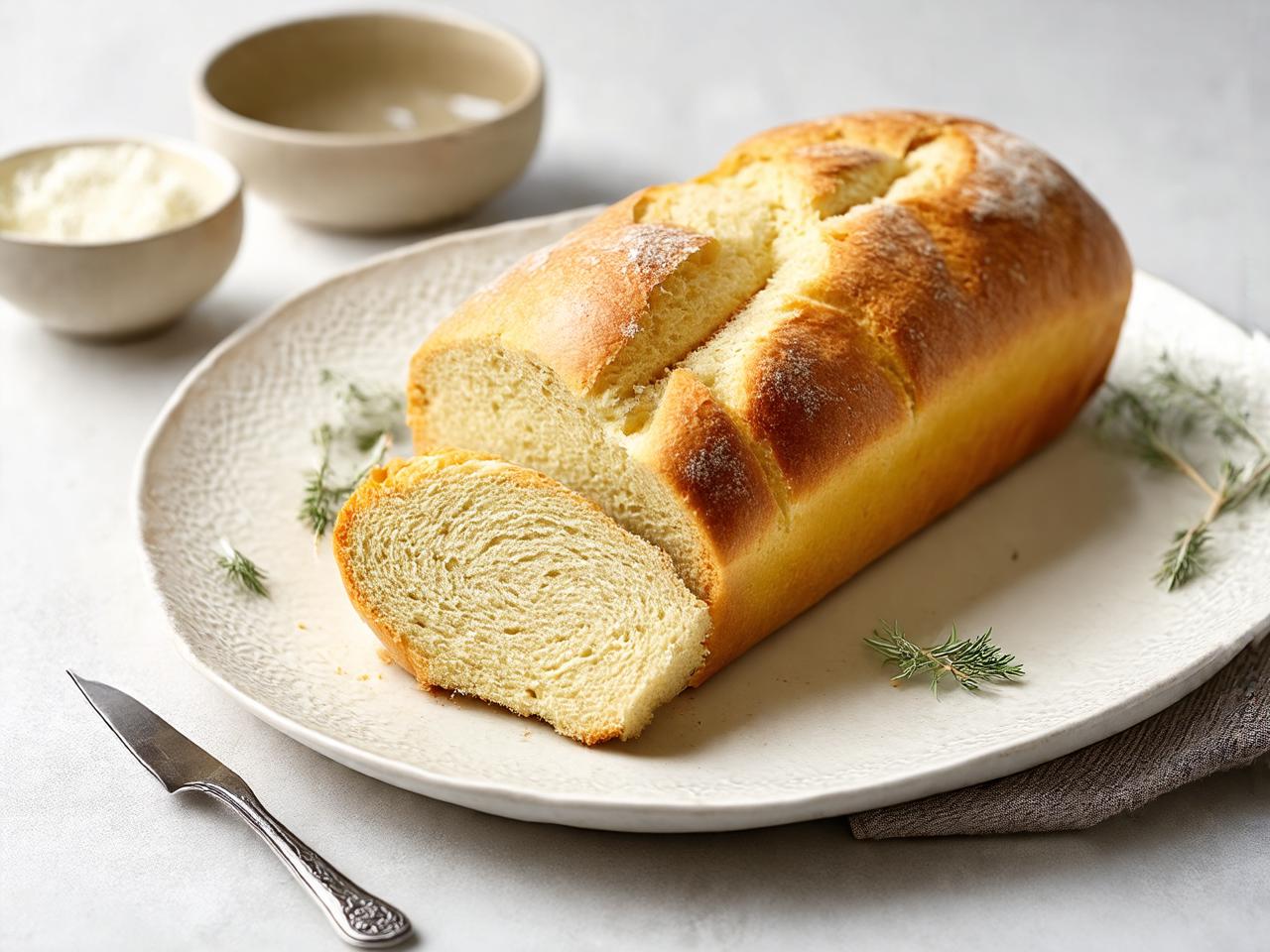
Soft, Fluffy French Bread: A Baking Journey
Imagine the aroma of freshly baked bread wafting through your kitchen, the crust crackles invitingly, and inside, the crumb is soft and airy. This is the magic of homemade French bread, and it’s easier to achieve than you might think.
This recipe guides you through the process, sharing tips and tricks to ensure your loaf emerges perfectly golden brown with a satisfyingly crisp crust and a cloud-like interior. Get ready to impress yourself and your family with this classic baking feat.
Soft Fluffy French Bread Recipe Card
A classic French bread recipe to make a soft, fluffy loaf at home.
Ingredients:
- 500g / 2 1/4 cups bread flour
- 10g / 2 tsp salt
- 10g / 2 tsp sugar
- 15g / 1 tsp instant yeast
- 350ml / 12 fl oz water
Instructions:
- Combine flour, salt, sugar, and yeast in a large mixing bowl.
- Add water and mix until a shaggy dough forms.
- Knead the dough for 10 minutes until smooth and elastic.
- Place the dough in a greased bowl, cover, and let rise at 25°C / 77°F for 1 hour.
- Punch down the dough and shape into a round or oblong loaf.
- Place the loaf in a greased baking sheet, cover, and let rise at 25°C / 77°F for 30 minutes.
- Bake at 220°C / 425°F for 25-30 minutes or until golden brown.
Tips: Use a digital thermometer to ensure the right temperature. Let the bread cool on a wire rack before slicing.
Ingredients for Soft Fluffy French Bread
To create an authentic French bread experience, it’s essential to use quality ingredients. The right combination of ingredients will help you achieve the perfect soft and fluffy texture.
The foundation of French bread is bread flour, which has a higher protein content than all-purpose flour. This, combined with yeast, salt, and water, creates a delicious and authentic loaf.
The following ingredients are required for this Soft Fluffy French Bread recipe:
- 500 g / 2.5 cups bread flour
- 10 g / 2 teaspoons salt
- 10 g / 2 teaspoons sugar
- 15 g / 1 tablespoon active dry yeast
- 350 ml / 1.5 cups water
- Optional:
- 10 g / 2 teaspoons unsalted butter, melted
- 5 g / 1 teaspoon dried herbs (such as rosemary or thyme)
Using these ingredients, you’ll be able to create a delicious and authentic Soft Fluffy French Bread that’s perfect for serving on its own or using as a base for your favorite recipes.
Step-by-Step Instructions for Soft Fluffy French Bread
Crafting the perfect loaf of soft, fluffy French bread is a rewarding experience. Follow these detailed instructions to achieve a crusty exterior and a tender, airy interior.
Mixing the Dough
- In a large bowl, combine 300 ml / 1 1/4 cups warm water (37°C/100°F) with 2 teaspoons of active dry yeast and 1 teaspoon of sugar.
- Let the mixture stand for 5 minutes, until the yeast is foamy.
- Add 400 g / 3 cups all-purpose flour, 1 teaspoon of salt, and 2 tablespoons of olive oil to the yeast mixture.
- Stir until a shaggy dough forms.
Kneading the Dough
Tip: A lightly floured surface is essential for kneading.
- Turn the dough out onto a lightly floured surface and knead for 8-10 minutes, until smooth and elastic.
- If the dough feels too sticky, add a tablespoon of flour at a time until it becomes manageable.
First Rise
- Place the kneaded dough in a lightly oiled bowl, turning to coat all sides.
- Cover the bowl with plastic wrap and let the dough rise in a warm place for 1-1.5 hours, or until doubled in size.
Shaping the Bread
Tip: Gently deflate the dough to release air bubbles before shaping.
- Punch down the risen dough to release the air.
- Divide the dough into two equal portions.
- Shape each portion into a long loaf, about 30 cm / 12 inches long.
- Place the shaped loaves on a baking sheet lined with parchment paper.
Second Rise
- Cover the loaves loosely with plastic wrap and let them rise for 30-45 minutes, or until puffy.
Baking the Bread
- Preheat the oven to 230°C/450°F.
- Slash the tops of the loaves diagonally with a sharp knife.
- Bake for 25-30 minutes, or until the crust is golden brown and the loaves sound hollow when tapped.
- Let the bread cool on a wire rack before slicing and serving.
Pro Tips for Making Soft Fluffy French Bread
Mastering the art of French bread requires patience, precision, and a few expert tricks. Follow these tips to achieve the perfect soft fluffy texture every time.
Tip 1: Use the Right Yeast
Choose a high-quality, active dry yeast that’s specifically designed for bread making. This will ensure your dough rises evenly and consistently.
- Use a yeast with a high potency (2-3% active yeast) for better fermentation.
- Store yeast in a cool, dry place to maintain its potency.
Tip 2: Control the Temperature
Temperature plays a crucial role in yeast fermentation and dough development. Aim for a warm, draft-free environment between 22-25°C (72-77°F) for optimal results.
- Keep your mixing bowl and dough at a consistent temperature.
- Avoid placing your dough near heating vents or drafty windows.
Tip 3: Don’t Overmix
Overmixing can lead to a dense, tough crumb. Mix your dough just until the ingredients come together, then let it rest and develop naturally.
- Use a stand mixer with a dough hook attachment for efficient mixing.
- Stop mixing as soon as the dough forms a shaggy mass.
By following these expert tips, you’ll be well on your way to creating soft fluffy French bread that’s sure to impress.
Substitutions for Soft Fluffy French Bread Ingredients
To cater to various tastes and dietary needs, this soft fluffy French bread recipe offers flexible options for customization. Explore the following substitutions and alternatives to create your perfect loaf.
The core ingredients for this recipe include:
- 500 g / 2.5 cups bread flour
- 10 g / 2 teaspoons salt
- 10 g / 2 teaspoons sugar
- 15 g / 1 tablespoon active dry yeast
- 350 ml / 1.5 cups water
- 20 g / 1 tablespoon unsalted butter, melted
- Optional ingredients:
- 5 g / 1 teaspoon dried herbs (such as rosemary or thyme)
- 10 g / 1 tablespoon sesame seeds or poppy seeds for topping
- 120 g / 1 cup whole wheat flour for a gluten-free alternative (note: this will require additional yeast and a longer rising time)
When substituting ingredients, keep in mind that temperatures may need to be adjusted. For example, if using a gluten-free flour blend, the dough may require a warmer environment (27°C / 80°F) to rise properly, while a traditional bread dough can rise at room temperature (22°C / 72°F).
Variations on the Soft Fluffy French Bread Recipe
Love the base recipe but want to explore new flavors? Here are a few variations to take your soft fluffy French bread to the next level:
-
Garlic Herb Bread
Simply brush the loaves with melted butter infused with minced garlic, rosemary, and thyme before baking. This adds a savory, aromatic twist. Baking time remains the same.
-
Cheesy Pull-Apart Bread
After shaping the dough, create deep cuts across the top. Stuff each cut with a mixture of shredded mozzarella cheese and grated Parmesan. Bake as usual for a gooey, cheesy delight. Baking time may increase slightly.
-
Sweet Cinnamon Swirl Bread
Before the final rise, spread a mixture of melted butter, brown sugar, and cinnamon over the dough. Roll it up tightly and slice into individual portions before baking. This sweet treat is perfect for breakfast or dessert. Baking time remains the same.
Storing and Freezing Soft Fluffy French Bread
After baking your soft fluffy French bread, it’s essential to store it properly to maintain its freshness. Here are some tips to keep your bread fresh for a longer period.
Room Temperature Storage
- Store the bread in a paper bag or a breathable container to prevent moisture buildup.
- Keep the bread away from direct sunlight and heat sources.
- Consume the bread within 2 days for optimal freshness.
Freezing Soft Fluffy French Bread
- Wrap the bread tightly in plastic wrap or aluminum foil to prevent freezer burn.
- Place the wrapped bread in a freezer-safe bag or container and label it with the date.
- To thaw, leave the bread at room temperature for 2-3 hours or thaw it in the refrigerator overnight.
- Consume the thawed bread within 3-5 days.
Remember to always check the bread for freshness before consumption, regardless of storage method.

Troubleshooting Common Soft Fluffy French Bread Issues
When making soft fluffy French bread, several issues can arise that affect the final texture and appearance. Identifying and addressing these problems is key to achieving the perfect loaf.
Common Problems and Fixes
The following are some common issues encountered when making soft fluffy French bread, along with their solutions:
- Dense bread: This can be caused by overmixing the dough or not allowing it to rise long enough. To fix, mix the dough just until the ingredients come together and let it rise for the full recommended time, typically 1-2 hours at 22°C / 72°F.
- Flat bread: This can be due to insufficient yeast or old yeast. Check the expiration date of the yeast and ensure it’s stored properly. Use 7 g / 2 1/4 teaspoons of active dry yeast for a standard recipe.
- Crust too dark: This can be caused by baking the bread at too high a temperature. Bake the bread at 200°C / 400°F for 20-25 minutes, or until it’s golden brown.
- Bread not soft and fluffy: This can be due to overbaking or not using enough yeast. Bake the bread for the recommended time and use the correct amount of yeast. Also, ensure the dough is not overworked, as this can lead to a dense, tough crumb.
By identifying and addressing these common issues, it’s possible to achieve a soft, fluffy, and delicious French bread that’s perfect for any occasion.
Nutrition Information
This Soft Fluffy French Bread recipe yields about 12 slices. Here’s a breakdown of the nutritional content per slice:
- Calories: 80
- Total Fat: 1g
- Saturated Fat: 0.5g
- Cholesterol: 0mg
- Sodium: 150mg
- Total Carbohydrates: 17g
- Dietary Fiber: 1g
- Total Sugars: 2g
- Protein: 3g
Note: Nutritional values are approximate and can vary based on specific ingredients used.
- Can I use a stand mixer to knead the dough? Yes, you can use a stand mixer with a dough hook attachment to knead the dough for about 5-7 minutes, or until it becomes smooth and elastic.
- How do I store leftover French bread to keep it fresh? Store leftover bread in an airtight container at room temperature for up to 2 days or freeze for up to 2 months, then thaw at room temperature or reheat in the oven.
- Can I shape the dough into a round or oblong shape instead of a baguette? Yes, you can shape the dough into a round or oblong shape, but keep in mind that the baking time may vary, so check the bread for doneness after 20-25 minutes.
- Why did my French bread turn out dense instead of soft and fluffy? Dense bread can result from overmixing the dough, using old yeast, or not letting the dough rise long enough, so try adjusting these factors in your next batch to achieve a softer texture.
Frequently Asked Questions about Soft Fluffy French Bread
Still have questions about making and enjoying our Soft Fluffy French Bread? We’ve got you covered.
Q: What type of flour is best for making French bread?
A: We recommend using a high-protein bread flour, such as all-purpose flour with a high protein content (12-14%) or bread flour. This type of flour will produce a stronger gluten structure, resulting in a chewier crumb and a more tender crust.
Q: Why does my French bread not rise as expected?
A: There are several possible reasons for this, including inadequate yeast, incorrect temperature, or overmixing the dough. Make sure to use active dry yeast, keep the dough at room temperature (around 22°C / 72°F), and mix the ingredients just until they come together in a shaggy mass.
Q: Can I make French bread in a bread machine?
A: Yes, you can make French bread in a bread machine! Simply add the ingredients to the machine and select the French bread or basic bread setting. However, keep in mind that the machine may not produce the same level of crustiness as a traditional oven-baked loaf.
Key Takeaways for Making Soft Fluffy French Bread
To achieve soft fluffy French bread, several essential lessons must be considered. The foundation of a great loaf begins with using the right ingredients, including 240 g / 1 cup of warm water, 10 g / 2 teaspoons of active dry yeast, and 375 g / 2 1/2 cups of bread flour.
- Using a preferment, such as a poolish or biga, helps to develop the dough’s flavor and texture, resulting in a softer crumb.
- Mixing and kneading the dough at the right temperature (around 24°C / 75°F) and for the correct amount of time is crucial for developing the gluten.
- A long, slow rise at a cooler temperature (around 18°C / 64°F) allows the yeast to ferment the sugars, producing a more complex flavor and a lighter texture.
By following these key takeaways and paying close attention to temperature and timing, soft fluffy French bread can be achieved with ease. Remember to not overmix the dough, as this can lead to a dense and tough crumb. With practice and patience, anyone can master the art of making delicious, soft fluffy French bread.
Conclusion: Enjoy Your Soft Fluffy French Bread
With these simple steps and a little patience, you’ve successfully created a delicious homemade French bread that’s sure to become a staple in your kitchen.
Take a moment to appreciate the aroma and texture of your freshly baked bread – it’s a true delight!
Now that you’ve mastered this recipe, we encourage you to experiment with other flavors and variations, such as rosemary and olive oil or garlic and herbs.
Don’t be afraid to try new recipes and techniques – the world of bread-making is full of possibilities.