
Learn how to make a traditional Cornish pasty with Mary Berry’s recipe, featuring a flaky crust, tender beef, and a hint of spice. Get the authentic recipe and cooking tips here.
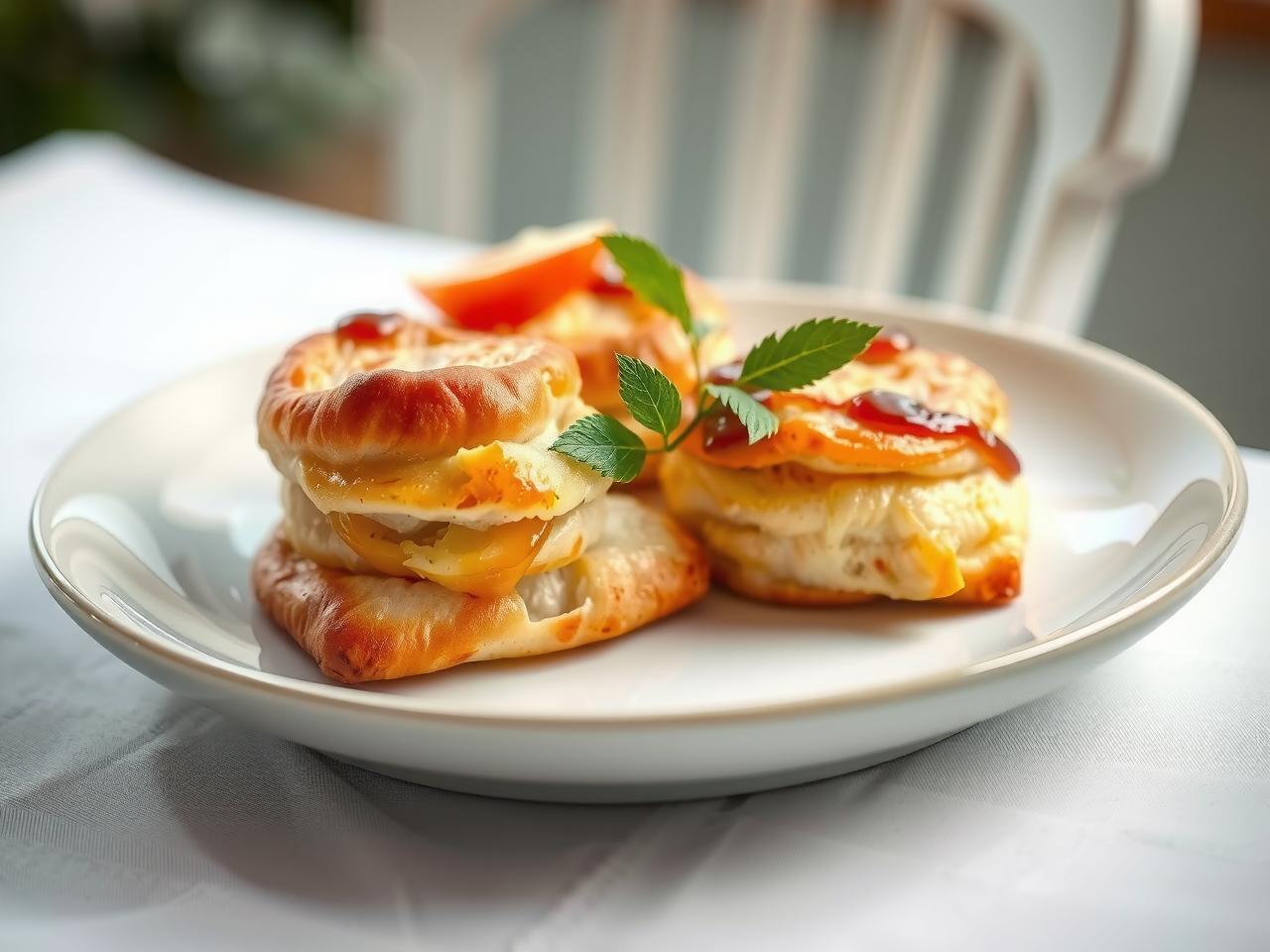
What is a Cornish Pasty and Why is it Special?
The Cornish pasty, a traditional pastry dish from Cornwall, England, has a rich history dating back to the 16th century. This iconic dish was originally made as a convenient and nourishing meal for tin miners, filled with locally-sourced ingredients such as beef, potatoes, and vegetables.
Today, the Cornish pasty is a protected cultural symbol, with its own European Union Protected Geographical Indication (PGI) status. To be considered a genuine Cornish pasty, it must be made in Cornwall and adhere to traditional ingredients and methods.
Mary Berry’s Cornish pasty recipe is a classic take on this beloved dish. With its flaky pastry crust and savory filling, it’s a must-try for anyone looking to experience the authentic taste of Cornwall. By following Mary Berry’s recipe, you can create a delicious and traditional Cornish pasty that’s sure to impress.
- Traditional ingredients: beef, potatoes, onions, and swede (rutabaga)
- Authentic pastry crust, made with 240 g / 1 cup all-purpose flour
Mary Berry’s Cornish Pasty Recipe at a Glance
This classic Cornish pasty recipe from Mary Berry is a hearty and delicious meal. It’s perfect for a quick lunch or a satisfying dinner.
Prep time: 30 minutes
Cook time: 45 minutes
Difficulty: Medium
- Ingredients: Pastry, diced beef, potatoes, swede, onion, salt, pepper, butter
This recipe involves making your own pastry, but it’s well worth the effort. The result is a flaky, golden-brown crust that encases a flavorful filling of tender beef, potatoes, swede, and onion.
Get ready for a taste of Cornwall with this traditional recipe!
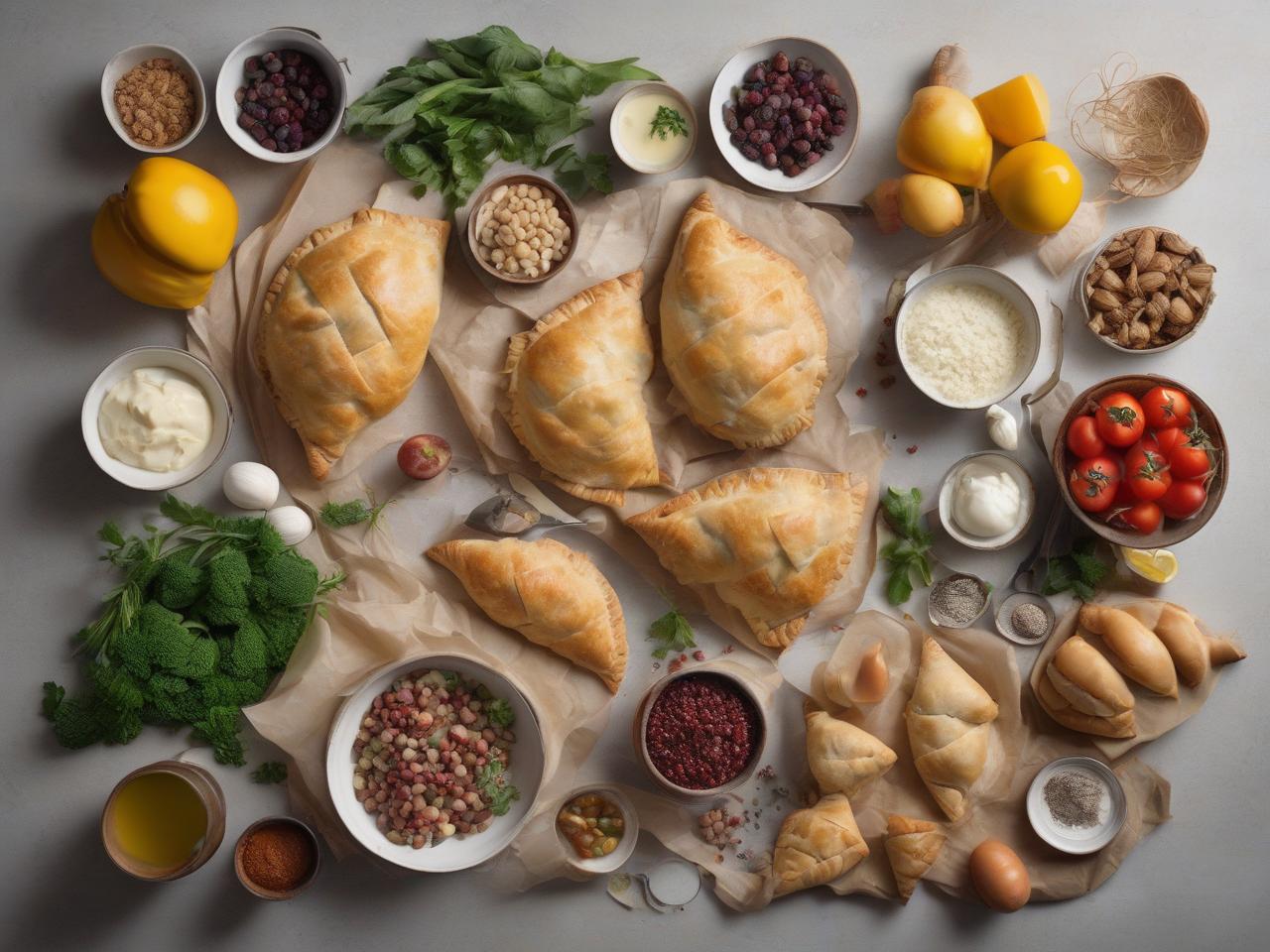
Cornish Pasty Ingredients: A List of Essential Components
A traditional Cornish pasty is more than just a delicious pastry – it’s a reflection of Cornwall’s rich heritage and cultural identity. To make a genuine Cornish pasty, you’ll need the following essential ingredients:
- Beef (450g / 1 lb), diced into small pieces
- Potatoes (240g / 1 cup), peeled and diced
- Swede (240g / 1 cup), peeled and diced
- Pastry (see below for ingredients and instructions)
The Importance of Each Component
The combination of beef, potatoes, and swede provides a hearty and comforting filling. Beef adds a rich, meaty flavor, while potatoes and swede contribute a satisfying texture.
Choosing the Best Ingredients
For an authentic Cornish pasty, look for high-quality ingredients. Choose a tender and flavorful beef, such as chuck or round, and select potatoes and swede that are firm and fresh.
Pastry Ingredients:
- 1 kg / 2 lbs all-purpose flour
- 200g / 1 cup cold unsalted butter, cut into small pieces
- 150ml / 1/2 cup cold water
- 1 egg, beaten (optional)
Optional Ingredients:
- Onion, diced (120g / 1/2 cup)
- Mushrooms, sliced (120g / 1/2 cup)
- Thyme, chopped (1 tsp)
Step-by-Step Guide to Making a Cornish Pasty
To make a classic Cornish pasty, follow Mary Berry’s expert instructions for a flaky crust and tender filling.
- Preheat the oven to 200°C / 400°F and prepare the pastry by mixing 240 g / 1 cup of flour with 120 g / 1/2 cup of cold butter for 10 minutes.
- Gradually add 120 ml / 1/2 cup of cold water to the pastry mixture and knead for 5 minutes to form a smooth dough.
- Prepare the filling by combining 250 g / 1 cup of diced beef, 150 g / 1 cup of diced potatoes, and 100 g / 1 cup of diced swede in a bowl.
- Assemble the pasty by placing the filling on one half of the pastry circle and brushing the edges with a little water before folding and sealing the pasty.
- Bake the pasty in the preheated oven for 25-30 minutes, or until the crust is golden brown and the filling is tender.
By following these steps and using the right ingredients, a delicious Cornish pasty with a flaky crust and tender filling can be achieved.
Mary Berry’s Pro Tips for the Perfect Cornish Pasty
A truly excellent Cornish pasty is a thing of beauty, both inside and out. Here are my tips to ensure yours are top-notch:
Pastry Perfection
- Chill Out: Keep your pastry cold throughout the process. Warm pastry becomes tough. Use chilled water and handle the dough as little as possible.
- Roll it Right: Roll your pastry to about 3mm thickness, ensuring it’s even. This helps the pasty cook evenly.
- Crimp with Confidence: A good crimp seals in the flavours and adds visual appeal. Use your fingers to create a decorative edge.
Temperature is Key
The filling should be piping hot before being encased in the pastry. This ensures a good bake and prevents a soggy bottom. A baking temperature of 220°C (425°F) is ideal for a golden-brown crust.
Don’t Overfill
Overfilling leads to a messy bake and a pasty that doesn’t cook through properly. Aim for a generous filling, but leave some room for the pastry to rise.
Brush with Butter
Before baking, brush the tops of your pasties with a little beaten egg or milk for a lovely sheen and extra flavour.
Substitutions and Variations: Making the Cornish Pasty Your Own
Want to give the classic Mary Berry Cornish pasty a personal twist? We’ve got you covered. From vegan and gluten-free options to vegetarian variations, discover how to substitute ingredients and make the Cornish pasty your own.
Vegan Options
- Replace beef with 200g / 1 cup of sautéed mushrooms or 150g / 1/2 cup of cooked lentils for a meat-free filling.
- Swap traditional butter with 60g / 1/4 cup of vegan butter or margarine.
- Use plant-based milk, such as almond or soy milk, in the pastry dough.
Gluten-Free Options
- Replace all-purpose flour with 150g / 1 cup of gluten-free flour blend.
- Use xanthan gum to help with texture and structure.
Vegetarian Options
- Add 150g / 1/2 cup of grated cheese, such as cheddar or mozzarella, to the filling.
- Use 200g / 1 cup of cooked and chopped vegetables, such as carrots or peas, instead of beef.
Remember, the key to a great Cornish pasty is to balance flavors and textures. Experiment with these substitutions and variations to create your perfect pasty.
Creative Variations of the Cornish Pasty
Experiment with different flavor combinations and fillings to create unique variations of the traditional Cornish pasty, inspired by Mary Berry’s creative ideas.
- Spinach and Feta: Add 120 g / 1/2 cup chopped fresh spinach and 120 g / 1/2 cup crumbled feta cheese to the filling for a tangy twist. Baking time remains the same, at 200°C / 400°F for 25-30 minutes.
- Mushroom and Leek: Sauté 120 g / 1/2 cup sliced mushrooms and 60 g / 1/4 cup chopped leeks before adding them to the filling, adding an earthy flavor. This variation requires an additional 10 minutes of baking time.
- Chorizo and Potato: Add 120 g / 1/2 cup diced chorizo and 150 g / 1 cup diced potatoes to the filling for a spicy, savory flavor combination. Bake at 220°C / 425°F for 35-40 minutes.
These creative variations offer a range of flavors to inspire your own experimentation with the classic Cornish pasty recipe.
How to Store and Reheat a Cornish Pasty
Just baked a batch of delicious Cornish pasties? Great! Now let’s talk about keeping them at their best. Whether you have leftovers or want to enjoy them later, proper storage and reheating are key to maintaining that flaky crust and savory filling.
Storage
Room Temperature: Cornish pasties are best enjoyed fresh. If you need to leave them out, do so for no more than 2 hours.
Refrigeration: For longer storage, wrap cooled pasties tightly in plastic wrap or aluminum foil and place them in the refrigerator. They’ll stay good for up to 3 days.
Freezing: Want to enjoy your pasties for weeks to come? Wrap them individually in plastic wrap, then place them in a freezer-safe bag. Frozen pasties will last for up to 3 months.
Reheating
- Oven: Preheat your oven to 180°C (350°F). Place the pasties on a baking sheet and bake for 20-25 minutes, or until heated through.
- Microwave: For a quicker option, microwave a pasty on high for 1-2 minutes, or until heated through.
Enjoy your perfectly reheated Cornish pasties!
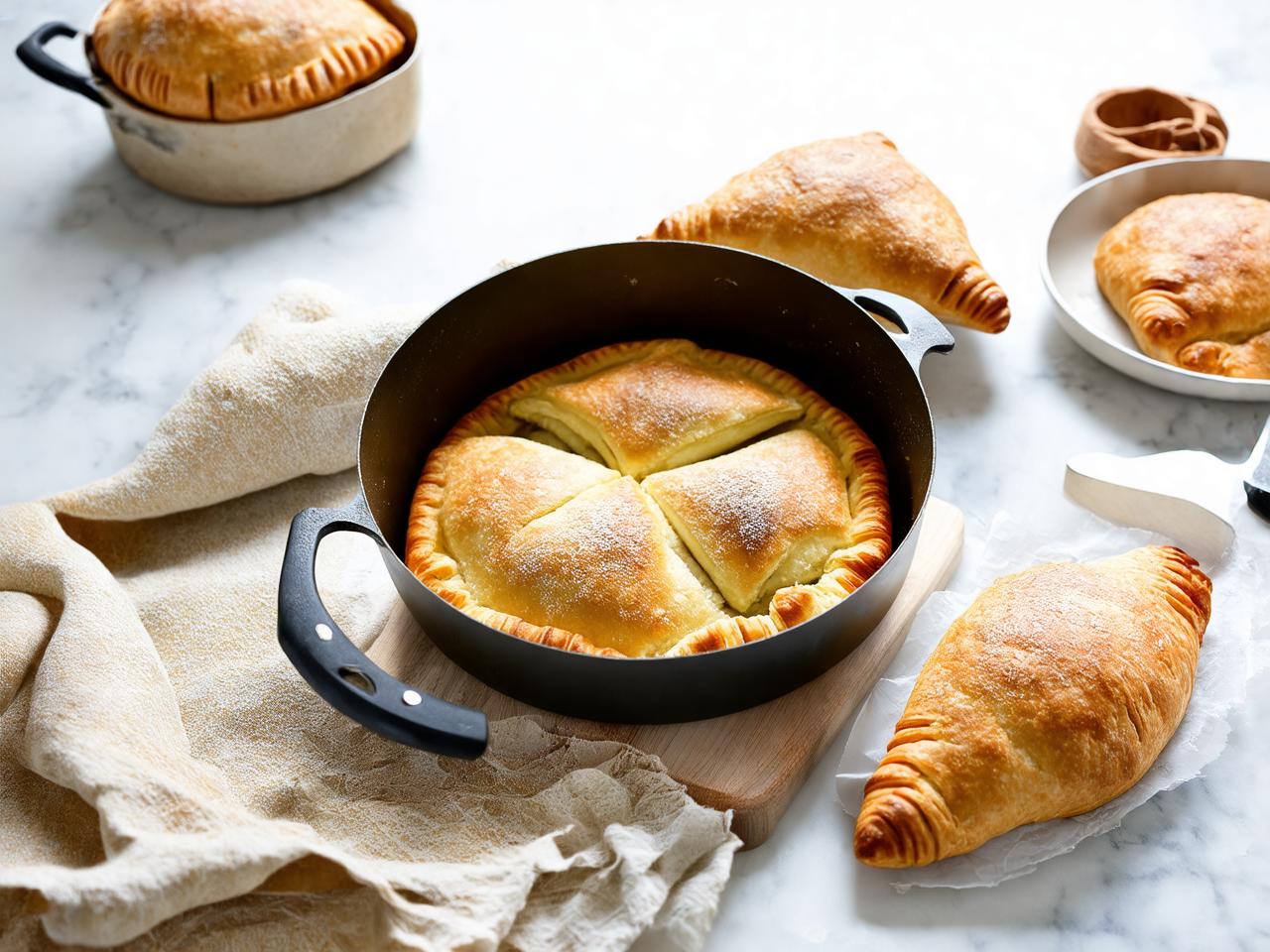
Common Issues with the Cornish Pasty: Expert Advice from Mary Berry
Even the most experienced bakers can encounter problems when making a Cornish pasty. But don’t worry, Mary Berry is here to help you troubleshoot common issues and achieve the perfect pasty.
Soggy Bottoms and Tough Crusts: The Most Common Pasty Problems
A soggy bottom or a tough crust can ruin even the most delicious filling. Here are some common problems and their fixes:
-
Soggy Bottom:
- Causes: Overworking the dough, inadequate baking time, or excessive moisture in the filling.
- Fixes:
- Don’t overwork the dough.
- Bake for a longer time (25-30 minutes at 200°C / 400°F).
- Use a dry filling or reduce the amount of liquid ingredients.
-
Tough Crust:
- Causes: Insufficient rolling, overworking the dough, or using cold ingredients.
- Fixes:
- Roll the dough evenly and to the correct thickness.
- Don’t overwork the dough.
- Use room temperature ingredients.
By following these expert tips from Mary Berry, you’ll be well on your way to creating perfectly baked Cornish pasties with a crispy crust and a delicious filling.
Nutrition Information for the Cornish Pasty
A traditional Cornish pasty, like Mary Berry’s recipe, typically contains approximately 420 calories per serving, with a macronutrient breakdown of 25g fat, 45g carbohydrates, and 15g protein.
Nutritional highlights: 420 calories, 25g fat, 45g carbohydrates, 15g protein per serving (240 g / 1 cup).
Diet tags: Not Gluten-Free (GF), contains Dairy (DF), and is not Vegan due to the beef and butter content.
For a healthier version, consider using whole-wheat pastry and reducing the amount of saturated fat from the beef and butter.
- Q: Can I make the pastry in advance? Yes, you can make the pastry dough up to 2 days in advance and store it in the fridge. Allow it to come to room temperature before rolling it out.
- Q: What type of filling is best for a traditional Cornish pasty? A traditional Cornish pasty filling typically consists of beef, potatoes, swede (rutabaga), and onions. Feel free to adjust the quantities and ingredients to suit your taste.
- Q: How do I get a flaky pastry crust? To achieve a flaky pastry crust, make sure to keep the butter cold and handle the dough gently. Avoid overworking the dough, and don’t over-roll it, as this can cause the butter to melt and the pastry to become tough.
- Q: Can I freeze the assembled pasties before baking? Yes, you can freeze the assembled pasties on a baking sheet, then transfer them to a freezer-safe bag or container for up to 3 months. Simply bake them straight from the freezer, adding a few extra minutes to the cooking time.
Frequently Asked Questions About the Cornish Pasty
The Cornish pasty is a beloved British classic, with a rich history and distinct flavor. Here are some answers to common questions about this iconic pastry.
What is a Cornish pasty?
A Cornish pasty is a savory hand pie traditionally made with a pastry crust filled with beef, potatoes, swede (rutabaga), and onions. It originated in Cornwall, England, as a portable meal for miners working in the region’s tin mines.
What are the key ingredients in a Cornish pasty?
The essential ingredients are quality beef, potatoes, swede, onions, and salt. Some recipes also include other vegetables like carrots or parsnips.
How is a Cornish pasty cooked?
Cornish pasties are cooked in a hot oven at 200°C (400°F) until the pastry is golden brown and the filling is cooked through.
What’s the difference between a Cornish pasty and a Scotch pie?
While both are savory pies, Cornish pasties are traditionally made with a crimped pastry crust and filled with a specific combination of beef, potatoes, swede, and onions. Scotch pies, on the other hand, typically have a smoother pastry crust and are filled with minced beef and gravy.
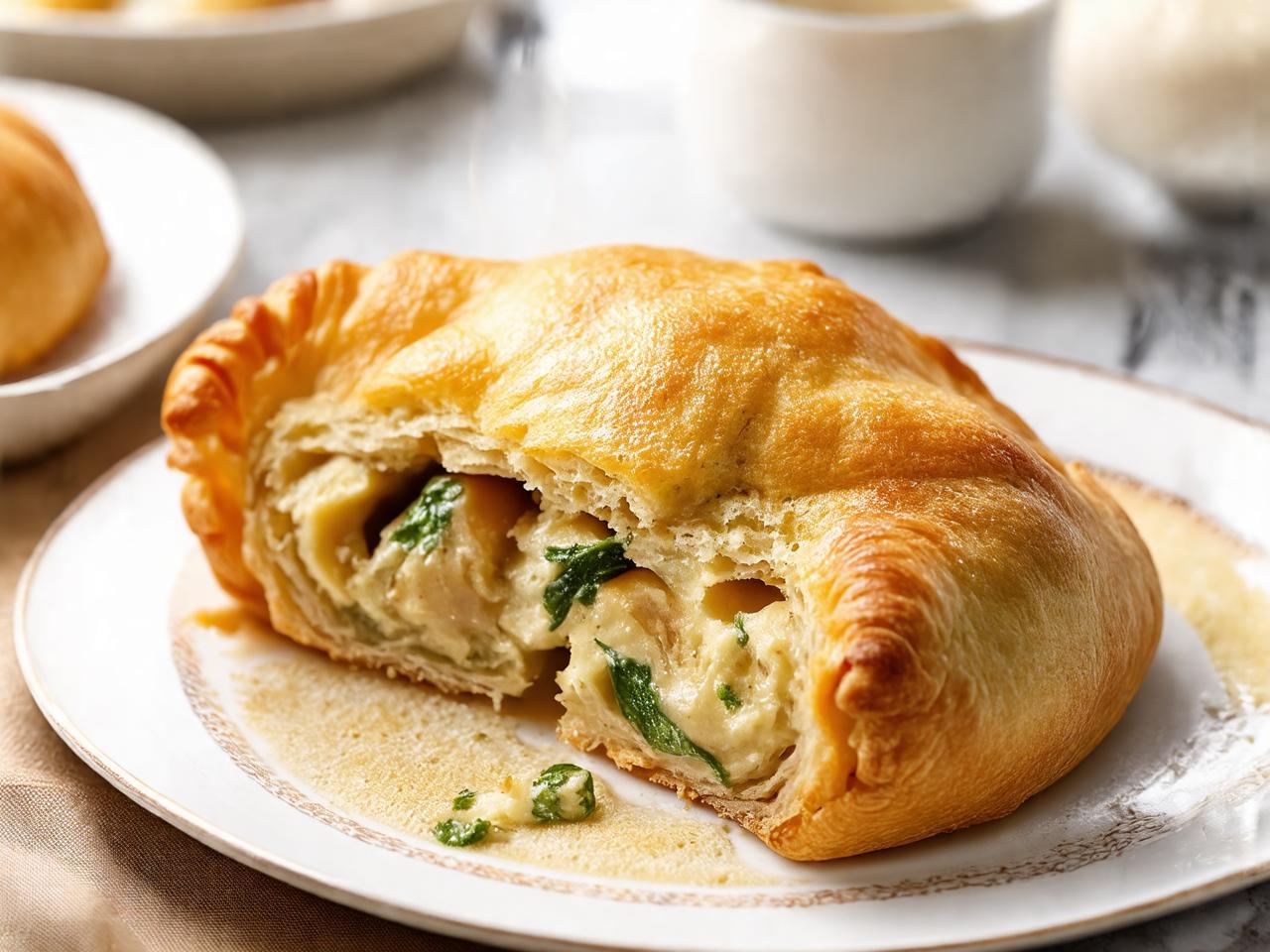
Main Tips for Making a Perfect Cornish Pasty
Recreate the classic Cornish pasty with our expert advice. From pastry handling to temperature control, here’s a quick recap of the essential techniques.
- Pastry Handling: Keep your pastry chilled, and work with it in a cool environment. Avoid over-working the dough to prevent shrinkage.
- Temperature Control: Ensure your filling ingredients are at room temperature before assembling the pasty. Bake at 200°C (400°F) for 45-50 minutes, or until the pastry is golden brown.
- Layering and Filling: Place the filling in a specific order to prevent juices from escaping during baking. Start with the meat, followed by the vegetables, and finish with a layer of pastry.
Our Mary Berry Cornish Pasty Recipe offers a variety of filling options, including beef and vegetables, and a vegetarian alternative. Feel free to experiment with different ingredients to create your own unique pasty variations.
Don’t forget to present your pasty with a decorative edge and a sprinkle of water to enhance the golden crust.
The Cornish Pasty Recipe You’ve Been Waiting For
Now you have all the tools to bake a truly delicious Cornish pasty, bursting with savory flavors and a satisfyingly flaky crust. Remember, this recipe is a starting point – feel free to experiment with different fillings and pastry variations to create your own unique masterpiece.
Want to explore more traditional British baking? Check out our collection of classic recipes, including scones, Victoria sponge cake, and Yorkshire pudding.