
Learn how to make Ina Garten’s pan-seared Chilean sea bass with this detailed recipe, complete with pro tips, practical details, and realistic timing.
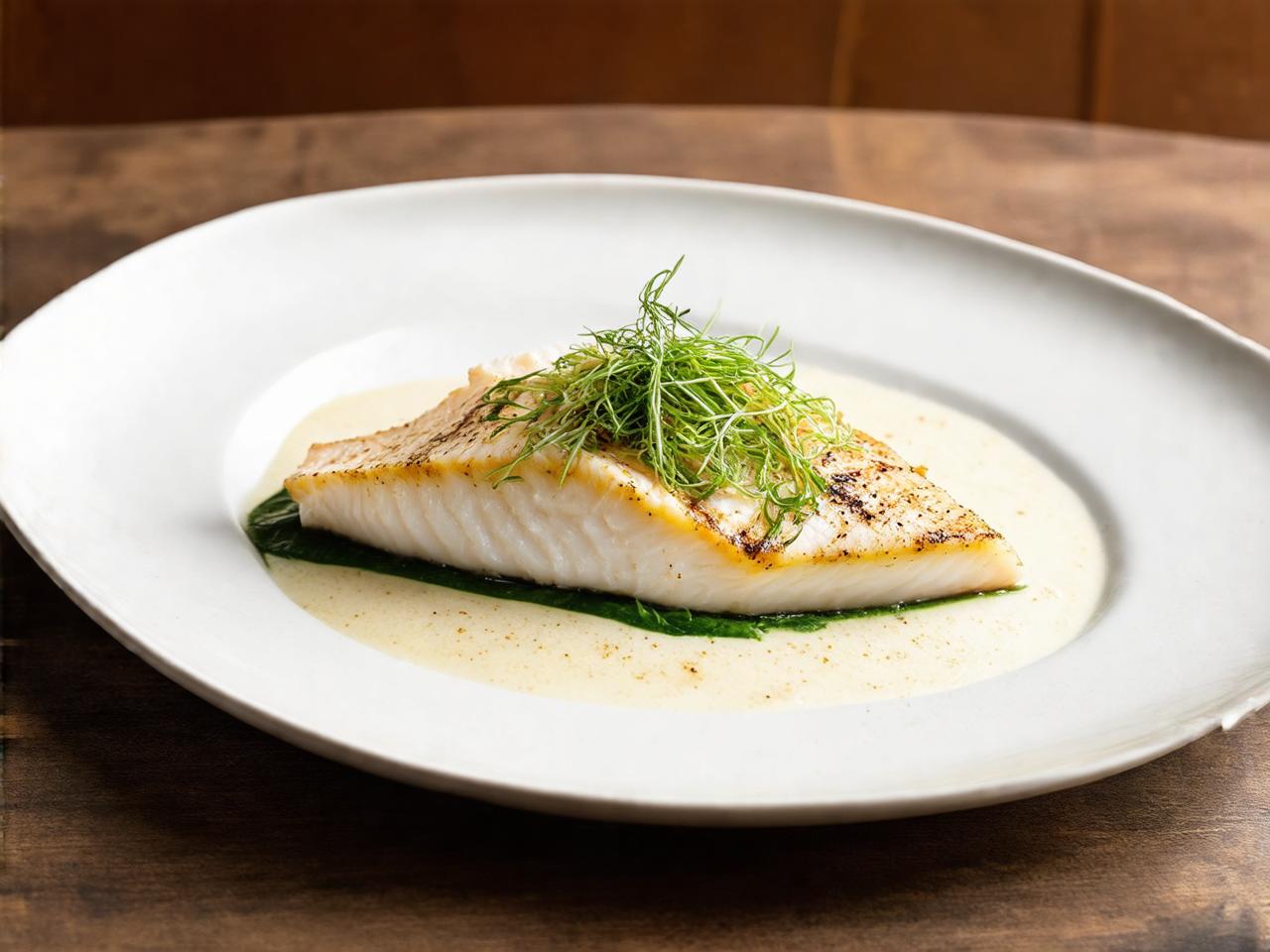
A Delicious and Elegant Seafood Dish: Ina Garten’s Pan-Seared Chilean Sea Bass
Ina Garten’s pan-seared Chilean sea bass is a show-stopping dish perfect for special occasions. The combination of crispy skin and tender flesh is sure to impress dinner guests.
Key Elements of the Recipe
This seafood recipe requires attention to detail, but with the right techniques, it’s achievable. The fish is seared in a hot skillet with a small amount of oil, then finished in the oven at 200°C / 400°F.
- High-quality Chilean sea bass fillets (240 g / 1 cup per serving)
- A flavorful seasoning blend, including salt, pepper, and herbs
- A hot skillet, preheated to achieve a crispy crust
By following Ina Garten’s recipe and these pro tips, you’ll be able to create an unforgettable seafood dish that’s sure to be the centerpiece of any dinner party.
Pan-Seared Chilean Sea Bass
This recipe delivers restaurant-quality Chilean sea bass right in your kitchen. It’s quick, easy, and the result is a flaky, flavorful fish with a crispy skin.
Imagine: succulent sea bass, perfectly browned, served with a squeeze of lemon and a simple, aromatic sauce. This recipe is all about letting the natural flavors of the fish shine through.
Key Ingredients:
- Fresh Chilean sea bass fillets
- Olive oil
- Salt and freshly ground black pepper
- Garlic
- Lemon
Method:
- Pat the sea bass fillets dry and season generously with salt and pepper.
- Heat olive oil in a heavy-bottomed skillet over medium-high heat.
- Sear the sea bass fillets for 3-4 minutes per side, until golden brown and cooked through.
- Finish with a squeeze of fresh lemon juice and serve immediately.
Ready to dive into the full recipe? Scroll down for all the details!
Ingredients for Pan-Seared Chilean Sea Bass
For a delicious and elegant seafood dish, gather the following ingredients:
- 4 Chilean sea bass fillets (about 6 oz / 170 g each)
- 2 tbsp (30 ml) olive oil
- 1 tsp (5 ml) freshly squeezed lemon juice
- 1 tsp (5 ml) chopped fresh dill
- 1 tsp (5 ml) chopped fresh parsley
- 1 tsp (5 ml) Dijon mustard
- 1 tsp (5 ml) honey
- 1/2 tsp (2.5 ml) salt
- 1/4 tsp (1.25 ml) black pepper
- 2 cloves garlic, minced
- 1/4 cup (60 g) white wine (optional)
- 1/4 cup (60 g) chopped fresh chives (optional)
Optional Ingredients
For added flavor, try these optional ingredients:
- 1/4 cup (60 g) chopped fresh tarragon
- 1/4 cup (60 g) chopped fresh basil
- 1 tsp (5 ml) grated lemon zest
Remember to adjust the amount of garlic and herbs according to your personal taste preferences.
Step-by-Step Instructions for Pan-Seared Chilean Sea Bass
To make Ina Garten’s pan-seared Chilean sea bass, start by preparing the necessary ingredients and cooking equipment, as this recipe requires precise timing and temperature control.
The key to a perfect pan-seared Chilean sea bass is to cook it at the right temperature, which is 200°C / 400°F, and to not overcrowd the pan, so it’s essential to cook the fillets one at a time if necessary.
- Preheat the oven to 200°C / 400°F and place a skillet or oven-safe pan over medium-high heat, setting the stove to 230°C / 450°F for 5 minutes to achieve the perfect sear.
- Season the 240 g / 1 cup Chilean sea bass fillets with salt and pepper on both sides, making sure to coat them evenly for the best flavor.
- Add 15 ml / 1 tablespoon of olive oil to the preheated pan and swirl it around to coat the bottom, then carefully place the sea bass fillets in the pan, skin side up if they have skin.
- Sear the sea bass fillets for 3 minutes on the first side, or until they develop a golden-brown crust, then flip them over and sear for an additional 2 minutes.
- Transfer the pan to the preheated oven and bake the sea bass for 8-10 minutes, or until it reaches an internal temperature of 63°C / 145°F, which is the recommended internal temperature for cooked fish.
- Remove the pan from the oven and let the sea bass rest for 2 minutes before serving, allowing the juices to redistribute and the fish to retain its moisture.
- Serve the pan-seared Chilean sea bass immediately, garnished with fresh herbs or a squeeze of lemon juice, and accompanied by your choice of sides, such as roasted vegetables or quinoa.
By following these steps and using the right ingredients and equipment, you’ll be able to create a delicious and flavorful pan-seared Chilean sea bass dish that’s sure to impress your dinner guests.
Tips and Variations
To add some extra flavor to the dish, you can try adding aromatics like garlic, lemon slices, or herbs to the pan before cooking the sea bass, or serving it with a side of tangy sauce or salsa.
- Use fresh and high-quality ingredients, including sustainable and responsibly sourced sea bass, to ensure the best flavor and texture.
- Don’t overcrowd the pan, as this can lower the temperature and prevent the sea bass from cooking evenly, so it’s better to cook the fillets one at a time if necessary.
- Keep an eye on the temperature and cooking time, as overcooking can make the sea bass dry and tough, and undercooking can make it unsafe to eat.
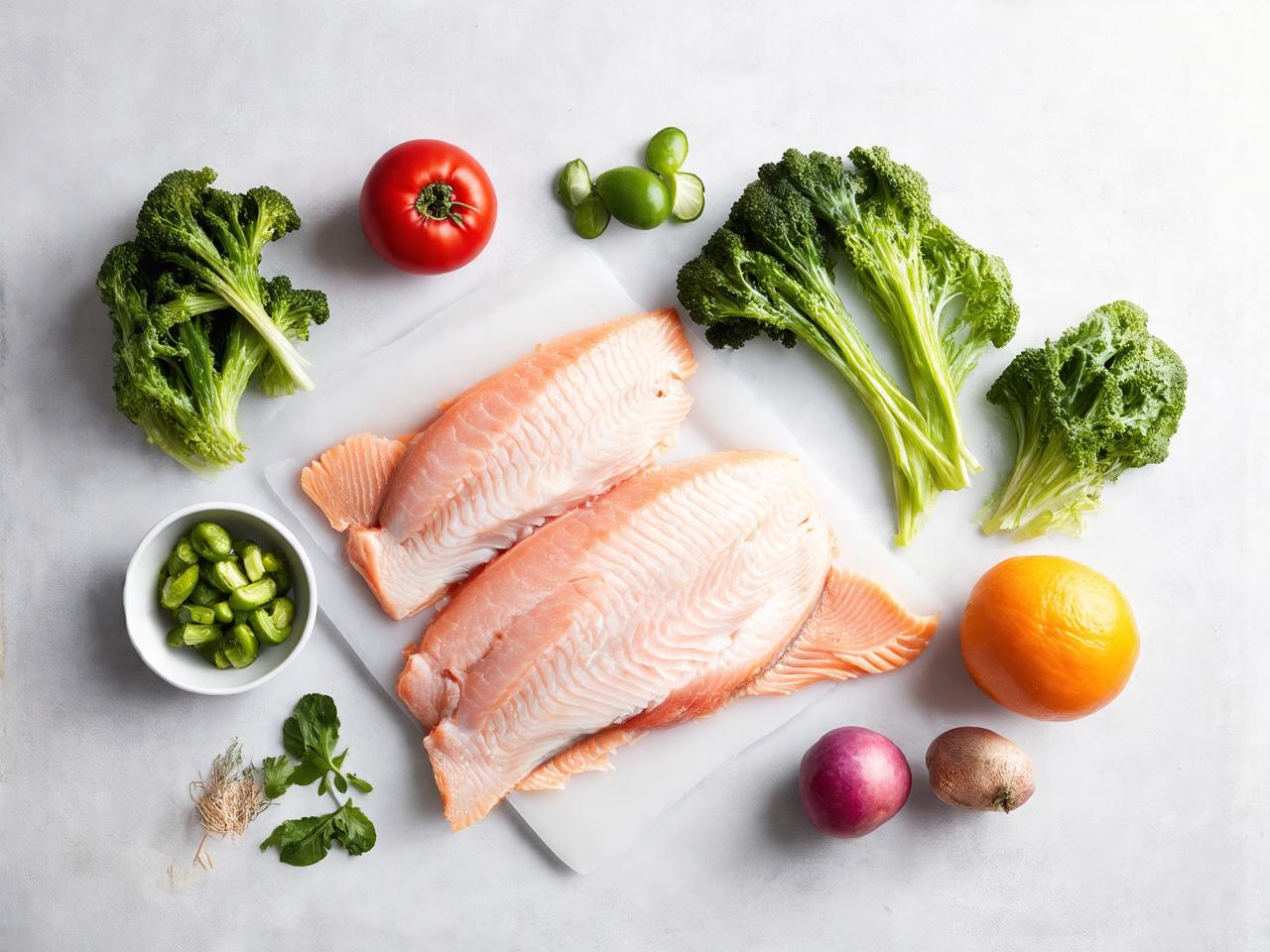
Pro Tips for Making Pan-Seared Chilean Sea Bass
Pan-searing Chilean sea bass is a simple yet elegant way to cook this flavorful fish. Here are some pro tips to help you achieve perfectly crispy skin and tender, flaky flesh every time:
- Pat the fish dry: Moisture is the enemy of a good sear. Before cooking, thoroughly pat the sea bass fillets dry with paper towels. This ensures maximum browning and prevents steaming.
- Room temperature is key: Allow the sea bass fillets to come to room temperature before cooking. This promotes even cooking and prevents the fish from sticking to the pan.
- Don’t overcrowd the pan: Give the fillets ample space in the pan to ensure even browning. Overcrowding will cause the temperature to drop and result in steaming rather than searing.
- Use high heat: A hot pan is essential for a good sear. Heat your pan over medium-high heat before adding any oil.
- Don’t move the fish: Once the sea bass is in the pan, resist the urge to move it around. Allow it to sear undisturbed for 2-3 minutes per side to develop a crispy crust.
Common Pitfalls to Avoid:
- Overcooking: Chilean sea bass cooks quickly. Overcooked fish will be dry and tough. Aim for an internal temperature of 145°F (63°C).
- Underseasoning: Don’t be shy with the seasoning! A simple sprinkle of salt and pepper can make a big difference.
- Using the wrong pan: A heavy-bottomed pan, such as cast iron or stainless steel, is best for even heat distribution.
Substitutions for Pan-Seared Chilean Sea Bass
While Chilean sea bass is a great choice for pan-searing, it’s not always available in local markets. If you can’t find it or prefer a different type of fish, here are some substitutions you can try.
Substitutions for Chilean Sea Bass:
- Halibut: A firm-fleshed fish with a similar texture to Chilean sea bass, halibut can be substituted in equal amounts (240 g / 1 cup). It has a slightly sweeter flavor.
- Snapper: A mild-flavored fish with a flaky texture, snapper (200 g / 3/4 cup) works well in this recipe. It’s a good choice if you want a slightly milder flavor.
- Sea Bass (European Sea Bass): If you can’t find Chilean sea bass, European sea bass (220 g / 3/4 cup) is a good alternative. It has a similar flavor and texture.
Other Substitutions:
- Flounder: A delicate fish with a flaky texture, flounder (180 g / 1/2 cup) works well in this recipe. It has a mild flavor and a slightly lower cooking temperature (180°C / 350°F).
Remember to adjust the cooking time and temperature according to the fish you substitute. Always check for doneness by inserting a fork or knife into the thickest part of the fish.
Variations for Pan-Seared Chilean Sea Bass
For a unique twist on the classic pan-seared Chilean sea bass recipe, try these variations to elevate the flavor and presentation of this popular seafood recipe.
- Lemon-Dill Sauce: Add a bright and citrusy flavor by serving the sea bass with a sauce made from 60 ml / 1/4 cup freshly squeezed lemon juice, 15 g / 1 tablespoon chopped fresh dill, and 15 g / 1 tablespoon unsalted butter. This variation adds 5 minutes to the overall cooking time.
- Asian-Glazed: Brush the sea bass with a sweet and sticky glaze made from 60 ml / 1/4 cup soy sauce, 30 ml / 2 tablespoons honey, and 15 ml / 1 tablespoon rice vinegar during the last 2 minutes of cooking. This variation adds 2 minutes to the cooking time and requires heating the glaze to 200°C / 400°F.
- Mediterranean-Style: Top the sea bass with a mixture of 120 g / 1/2 cup chopped Kalamata olives, 60 g / 1/4 cup artichoke hearts, and 15 g / 1 tablespoon chopped fresh parsley. This variation adds 1 minute to the cooking time and requires heating the topping to 180°C / 350°F.
Storing Pan-Seared Chilean Sea Bass
Whether you have leftovers or want to enjoy your delicious pan-seared Chilean sea bass another time, proper storage is key to maintaining its quality and flavor.
Cool it Down: Allow the cooked Chilean sea bass to cool completely to room temperature before storing. This prevents condensation from forming, which can make the fish soggy.
- Refrigerate: Place the cooled Chilean sea bass in an airtight container or resealable plastic bag.
- Shelf Life: Store the sea bass in the refrigerator for up to 3 days.
Freezing for Longer Storage: For longer storage, you can freeze pan-seared Chilean sea bass. Wrap it tightly in plastic wrap, then place it in a freezer-safe bag or container. Freeze for up to 3 months.
When reheating frozen Chilean sea bass, thaw it in the refrigerator overnight and then gently reheat in the oven or on the stovetop.
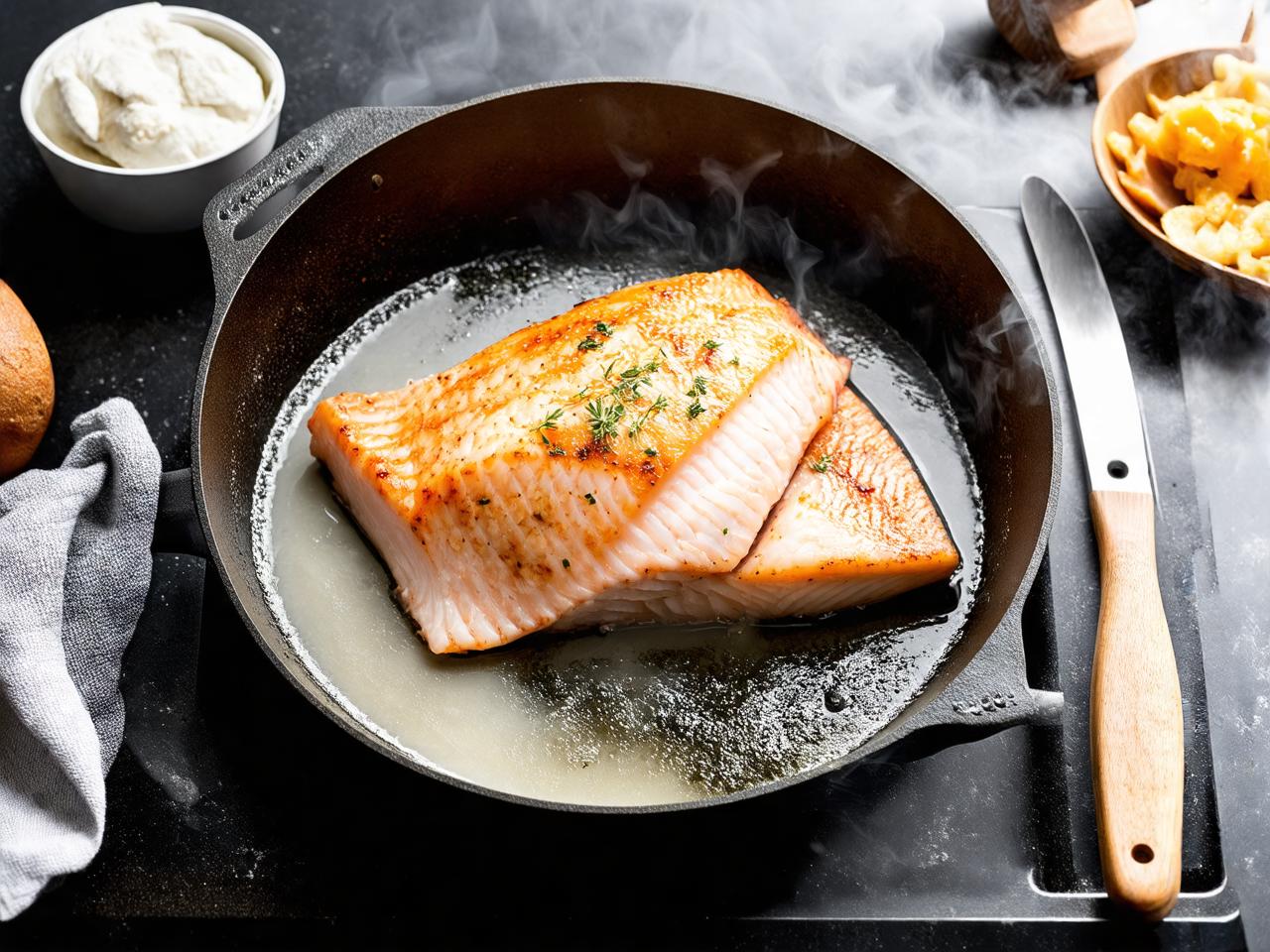
Troubleshooting Pan-Seared Chilean Sea Bass
Even the most experienced cooks can encounter issues when making pan-seared Chilean sea bass. Don’t worry, we’ve got you covered.
Common Problems and Fixes
-
Problem: Overcooking the fish
Fix: Use a thermometer to check the internal temperature. Chilean sea bass is cooked through when it reaches 54°C (129°F). Remove it from heat immediately if it’s overcooked.
-
Problem: Fish sticking to the pan
Fix: Pat the fish dry with paper towels before cooking, and make sure the pan is hot enough (180°C / 356°F). Use a small amount of oil to prevent sticking.
-
Problem: Lack of crispy skin
Fix: Pat the skin dry with paper towels before cooking, and cook the fish skin-side down for a few minutes to get a crispy crust.
-
Problem: Fish not cooking evenly
Fix: Use a thermometer to check the internal temperature, and adjust cooking time as needed. Make sure the fish is at room temperature before cooking for even cooking.
By following these troubleshooting tips, you’ll be well on your way to making a delicious pan-seared Chilean sea bass dish every time.
Nutrition Information for Pan-Seared Chilean Sea Bass
A 120 g / 4 oz serving of pan-seared Chilean sea bass contains approximately 180 calories, with 30 g / 1 oz of protein and 10 g / 0.4 oz of fat. This seafood recipe is not only delicious but also provides a good amount of omega-3 fatty acids.
- Calories: 180 per serving
- Macros: 30 g / 1 oz protein, 10 g / 0.4 oz fat, 0 g / 0 oz carbohydrates
- Diet tags: Gluten-free (GF), Dairy-free (DF), not Vegan due to the seafood content
When cooked to an internal temperature of 63°C / 145°F, this dish is both safe to eat and full of flavor.
-
What temperature should I cook Chilean sea bass?
For perfectly cooked Chilean sea bass, aim for an internal temperature of 145°F (63°C).
-
How long does it take to pan-sear Chilean sea bass?
Depending on the thickness of the fillets, pan-searing Chilean sea bass takes about 3-4 minutes per side.
-
How do I know when Chilean sea bass is cooked through?
The fish will flake easily with a fork when it’s cooked through. The flesh should be opaque and no longer translucent.
- What is Chilean Sea Bass, and why is it a good choice for this recipe? Chilean Sea Bass is a mild-flavored fish with a firm texture, making it an ideal choice for this recipe. Its neutral taste won’t overpower the flavors of the lemon and herbs, allowing the dish to shine.
- Can I substitute the Chilean Sea Bass with another type of fish? While other firm-fleshed fish like halibut or snapper can work, Chilean Sea Bass is preferred for its delicate flavor and texture. If substituting, adjust the cooking time according to the fish’s thickness and density.
- How do I ensure the fish is cooked to a safe internal temperature? Use a food thermometer to check the internal temperature of the fish. It should reach 145°F (63°C) for medium-rare, 160°F (71°C) for medium, and 170°F (77°C) for well-done. Always err on the side of caution and cook a little longer if unsure.
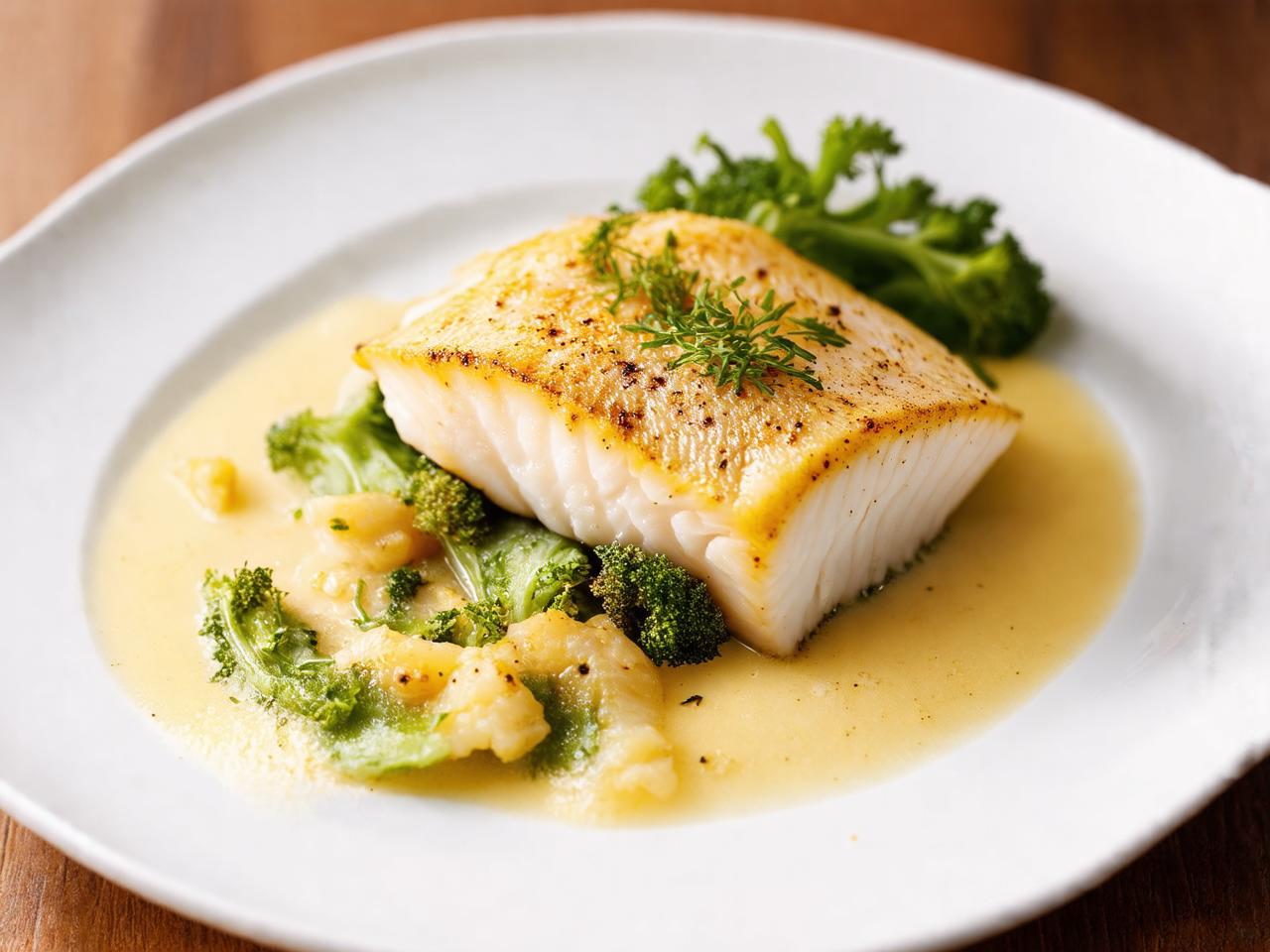
Key Takeaways from Making Pan-Seared Chilean Sea Bass
Mastering the art of pan-seared Chilean sea bass requires attention to a few crucial details. Here are the key takeaways to ensure a successful dish.
- Pat dry the sea bass fillets before seasoning to prevent excess moisture from interfering with the sear.
- Use a hot skillet – ideally between 220°C (425°F) to 240°C (465°F) – to achieve a golden-brown crust.
- Don’t overcrowd the skillet; cook in batches if necessary, to ensure even cooking and prevent the fish from steaming instead of searing.
- Don’t flip the fish too soon; let it develop a nice crust on the first side before carefully flipping it over.
- Use a meat thermometer to ensure the fish reaches a safe internal temperature of 54°C (130°F) for flaky, tender results.
By following these key takeaways, you’ll be able to achieve a perfectly pan-seared Chilean sea bass every time, with a crispy exterior and a moist, flavorful interior.
A Delicious and Elegant Seafood Dish
Ina Garten’s pan-seared Chilean sea bass is a dish that truly shines. The perfectly crispy skin gives way to incredibly tender, flaky flesh. Each bite is a burst of flavor, enhanced by the simple yet elegant sauce.
This recipe is perfect for a special occasion dinner or a night when you want to treat yourself. It’s impressive, yet surprisingly easy to make.
Give this recipe a try and experience the magic of Chilean sea bass. And for more delicious seafood inspiration, be sure to explore our other recipes on the blog.