
Discover the ancient Bread Jesus Ate Recipe, a traditional Middle Eastern flatbread
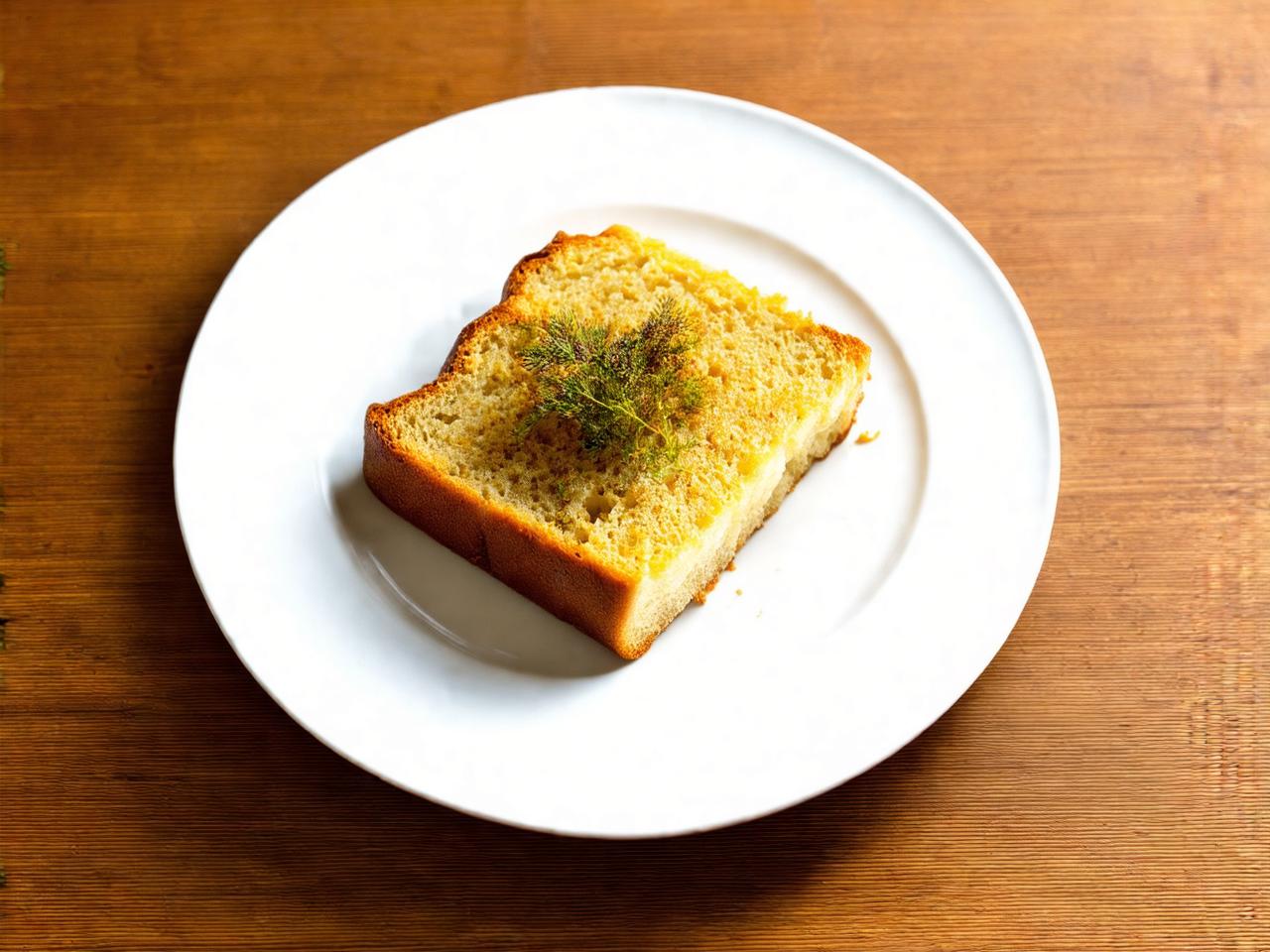
A Taste of History: The Bread Jesus Ate
Imagine the simple, rustic flatbread Jesus might have enjoyed during his time in the Middle East. This recipe, inspired by ancient traditions, offers a glimpse into the past and the humble sustenance of that era. While we can’t be certain of the exact type of bread Jesus ate, this recipe draws upon historical culinary practices and ingredients common in the region.
This bread, often referred to as “flatbread” or “pita” in modern times, was a staple food for everyday people. Made with basic ingredients like flour, water, and yeast, it was versatile and could be enjoyed in various ways – dipped in olive oil, filled with savory fillings, or simply broken and shared.
Bread Jesus Ate Recipe
This traditional bread is believed to be the bread Jesus ate during the Last Supper. It’s a simple, yet flavorful flatbread perfect for snacking or serving alongside your favorite meals.
Essential Ingredients:
- 2 cups all-purpose flour (250 g)
- 1/2 teaspoon salt
- 1/4 teaspoon black pepper
- 1/4 teaspoon baking powder
- 1 tablespoon olive oil
- 1/2 cup warm water (120°C / 248°F or 110°F)
Cooking Time & Instructions:
Preheat your oven to 200°C (392°F) or 400°F. Mix the flour, salt, pepper, and baking powder in a bowl. Add the olive oil and warm water, stirring until a dough forms. Knead for 5-7 minutes. Roll out the dough to a thickness of 1-2 cm (0.4-0.8 in). Place on a baking sheet and bake for 15-20 minutes, or until lightly browned.
Serving Size:
Serves 4-6 people. Cut into wedges or squares for a simple snack or appetizer.
Ingredients for Bread Jesus Ate
This traditional Middle Eastern flatbread is made with simple, wholesome ingredients that have been used for centuries. The combination of warm spices and fresh herbs gives the bread a unique and aromatic flavor.
The main ingredients include:
- 500 g / 2.5 cups all-purpose flour
- 10 g / 2 teaspoons salt
- 10 g / 2 teaspoons sugar
- 15 g / 1 tablespoon active dry yeast
- 350 ml / 1.5 cups lukewarm water (around 37°C / 98°F)
- 20 g / 1 tablespoon olive oil
- 5 g / 1 teaspoon ground cumin
- 5 g / 1 teaspoon ground coriander
- Optional:
- 10 g / 2 tablespoons chopped fresh parsley
- 10 g / 2 tablespoons chopped fresh mint
- 5 g / 1 teaspoon sumac
These ingredients come together to create a delicious and authentic flatbread that is perfect for serving with your favorite Middle Eastern dishes.
Step-by-Step Instructions for Bread Jesus Ate
This flatbread, often called “pita” or “khobz,” is thought to resemble the kind of bread Jesus might have eaten. It’s simple to make and incredibly versatile—perfect for scooping up hummus, falafel, or any delicious dip.
- Combine Ingredients: In a large bowl, whisk together 300 g / 2 1/4 cups all-purpose flour, 1 teaspoon salt, and 1 teaspoon active dry yeast.
- Add Liquids: Gradually add 180 ml / 3/4 cup warm water (around 37°C/99°F) to the dry ingredients, mixing with a wooden spoon until a shaggy dough forms.
- Knead the Dough: Turn the dough out onto a lightly floured surface and knead for 5-7 minutes, until smooth and elastic.
- First Rise: Place the dough in a lightly oiled bowl, turning to coat. Cover the bowl with plastic wrap and let rise in a warm place for 1 hour, or until doubled in size.
- Punch Down: Gently punch down the risen dough to release air. Divide the dough into 8 equal pieces.
- Shape the Flatbreads: Roll each piece of dough into a thin circle, about 20 cm / 8 inches in diameter.
- Cook the Flatbreads: Heat a large skillet or griddle over medium-high heat. Cook each flatbread for 1-2 minutes per side, or until lightly browned and puffed.
- Serve Warm: Stack the cooked flatbreads in a warm towel to keep them soft. Serve immediately with your favorite dips or fillings.
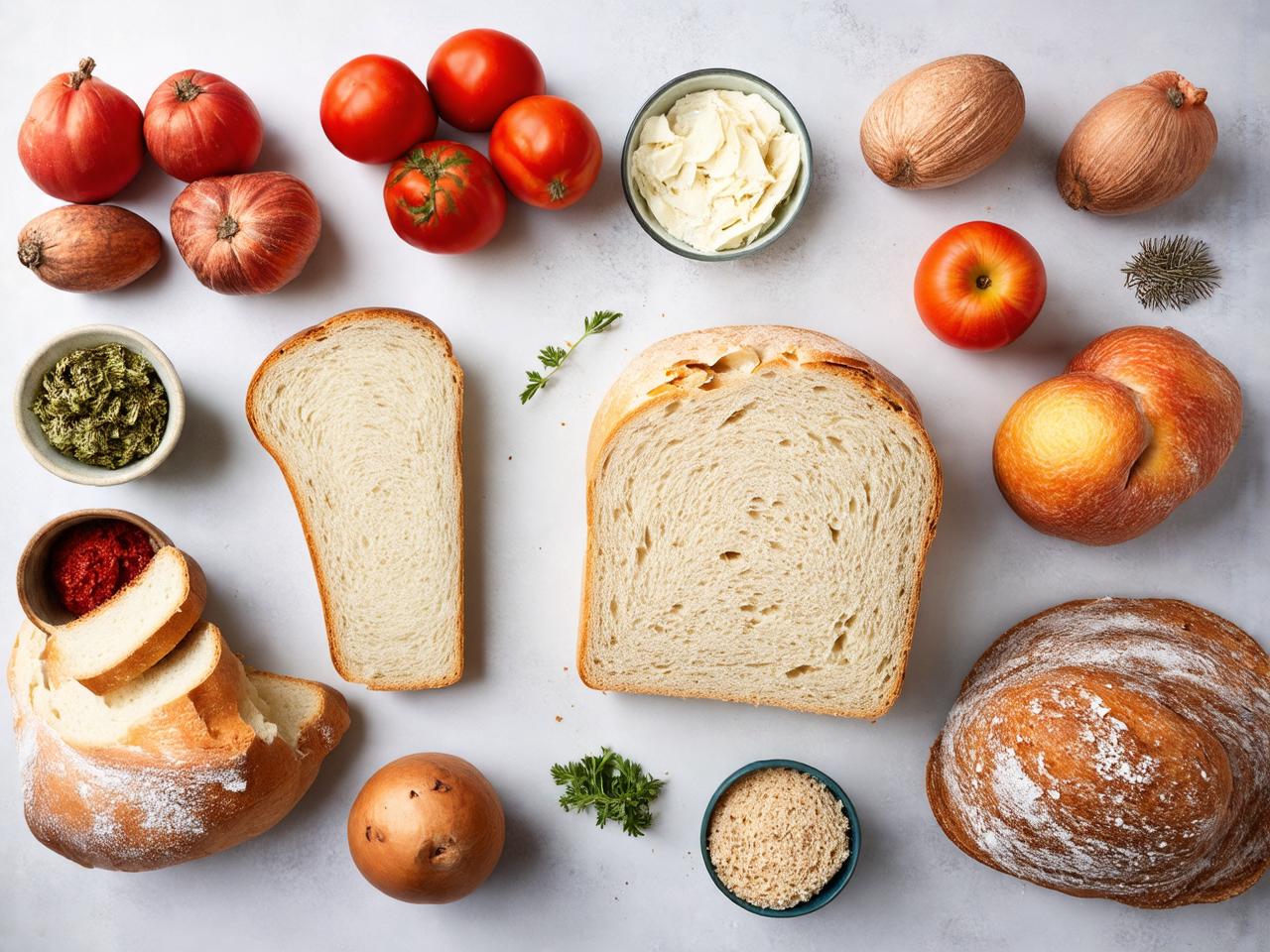
Pro Tips for Making the Perfect Bread Jesus Ate
Mastering the art of flatbread requires attention to detail and a few insider secrets. Here’s what you need to know:
- Resting is key**: Allowing the dough to rest for at least 30 minutes after mixing will help the gluten relax, resulting in a more tender crumb.
- Use the right flour**: Middle Eastern flatbreads typically use all-purpose or bread flour with a high protein content. This will help create a chewy texture and a delicate crust.
- Don’t overwork the dough**: Mix the ingredients just until they come together in a shaggy mass, then let the dough rest. Overworking can lead to a dense, tough flatbread.
- Preheat your oven (or griddle) to perfection**: For a crispy crust, preheat your oven to 220°C (425°F) or heat a non-stick skillet or griddle over medium-high heat.
- Watch for over-proofing**: If the dough has risen too much, it may collapse during baking. Keep an eye on the dough and punch it down if necessary.
Common pitfalls to avoid include:
- Using too much water, which can lead to a dense, soggy flatbread.
- Not letting the dough rest long enough, resulting in a tough, chewy texture.
- Overbaking, which can cause the flatbread to become dry and crumbly.
By following these pro tips, you’ll be well on your way to creating delicious, authentic flatbreads just like the ones Jesus ate.
Substitutions and Replacements in Bread Jesus Ate
To accommodate various dietary needs, several ingredients in the traditional Bread Jesus Ate recipe can be substituted. For a gluten-free option, replace 240 g / 1 cup of wheat flour with 150 g / 1 cup of gluten-free all-purpose flour blend and add 1 teaspoon of xanthan gum.
- For vegan flatbread, substitute 15 g / 1 tablespoon of honey with 15 g / 1 tablespoon of maple syrup, reducing the overall sweetness slightly.
- Replace 120 g / 1/2 cup of olive oil with 120 g / 1/2 cup of avocado oil for a milder flavor and higher smoke point, suitable for baking at 200°C / 400°F.
- Use 5 g / 1 teaspoon of active dry yeast or 10 g / 2 teaspoons of instant yeast for easier mixing and faster proofing.
When making these substitutions, note that gluten-free flatbread may have a denser texture, while vegan options will retain the same crumb structure. Always adjust the ingredient ratios according to the specific substitution and the desired flavor profile.
Variations of Bread Jesus Ate
This simple flatbread is incredibly versatile. The base recipe is a blank canvas for endless flavor combinations. Here are a few ideas to get you started:
-
Za’atar Delight
Sprinkle za’atar, a Middle Eastern spice blend, into the dough before baking. This adds a savory, earthy flavor with hints of thyme, oregano, and sesame seeds.
Time: No additional time needed. -
Sun-dried Tomato & Herb
Fold chopped sun-dried tomatoes and your favorite fresh herbs (rosemary, basil, or oregano) into the dough. The sweetness of the tomatoes pairs beautifully with the herbs.
Time: No additional time needed. -
Cheesy Goodness
Sprinkle grated Parmesan cheese over the dough before baking. For a bolder flavor, use a mix of Parmesan and mozzarella.
Time: No additional time needed. -
Sweet Sesame Twist
Brush the dough with melted butter or olive oil before baking and sprinkle generously with sesame seeds. The nutty flavor of sesame seeds adds a touch of sweetness to the bread.
Time: No additional time needed.
Storing and Keeping Bread Jesus Ate Fresh
After baking your delicious flatbread, it’s essential to store it properly to maintain its freshness. Here are some tips to help you keep your flatbread fresh for a longer period:
- Store in a cool, dry place: Keep your flatbread away from direct sunlight, moisture, and heat sources. A pantry or cupboard is ideal.
- Use airtight containers: Store your flatbread in airtight containers or zip-top bags to prevent air from entering and causing staleness.
- Freeze for later: If you won’t be consuming your flatbread within a few days, consider freezing it. Wrap the flatbread tightly in plastic wrap or aluminum foil and place it in a freezer-safe bag. Frozen flatbread can be stored for up to 3 months.
- Reheat before serving: When reheating frozen flatbread, wrap it in foil and warm it in a 150°C (300°F) oven for 5-7 minutes or in a toaster oven at 150°C (300°F) for 2-3 minutes.
By following these storage tips, you can enjoy your delicious flatbread for a longer period and maintain its texture and flavor.
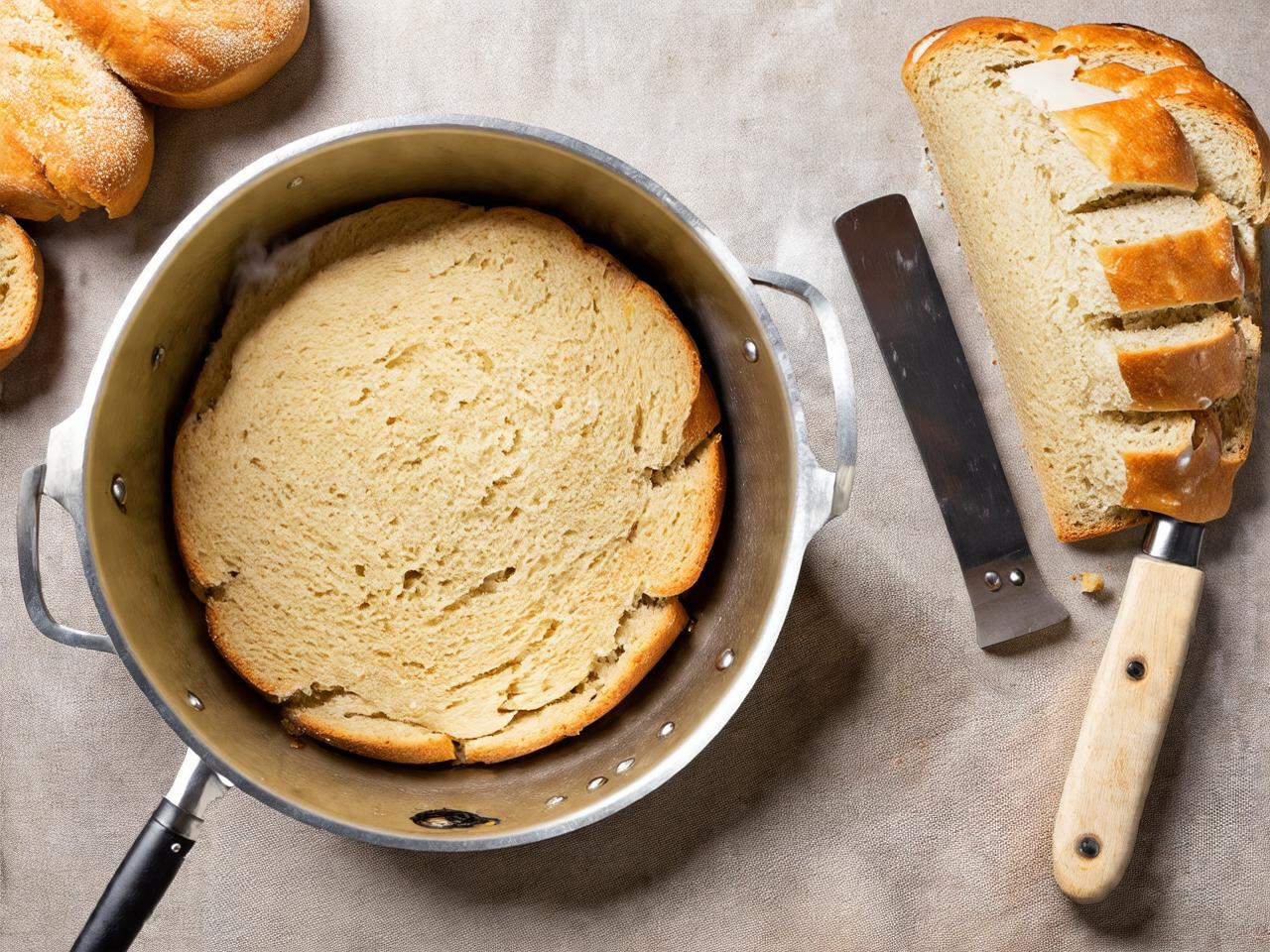
Troubleshooting Common Issues with Bread Jesus Ate
While making Bread Jesus Ate, also known as flatbread, some common issues may arise. To achieve the perfect flatbread, it’s essential to identify and resolve these problems. The ideal baking temperature for flatbread is 220°C / 425°F.
Common Problems and Fixes
The following are some common issues encountered while making flatbread, along with their solutions:
- Overmixing the dough: Mix ingredients just until they come together (240 g / 1 cup of flour, 120 ml / 1/2 cup of water). Overmixing can lead to tough bread.
- Insufficient rising time: Allow the dough to rest for at least 1 hour, enabling the yeast to activate and the dough to rise properly.
- Incorrect oven temperature: Ensure the oven is preheated to the correct temperature (220°C / 425°F) for even baking and a crispy crust.
- Underbaking or overbaking: Bake the flatbread for 10-12 minutes, or until it’s lightly browned and crispy. Keep an eye on it to avoid underbaking or overbaking.
By addressing these common issues, you can achieve the perfect flatbread, similar to the Bread Jesus Ate. Remember to be patient and adjust the recipe as needed to ensure the best results.
Nutritional Information for Bread Jesus Ate
This traditional flatbread, known as “Bread Jesus Ate,” offers a glimpse into the dietary staples of the region. While exact nutritional values may vary depending on the specific ingredients and preparation method, this recipe provides a good source of carbohydrates, offering sustained energy.
The relatively low fat and protein content makes this bread a versatile base for meals, allowing you to add your preferred toppings and proteins for a balanced diet.
Nutritional Highlights (per serving):
- Calories: 150
- Carbohydrates: 30g
- Fat: 2g
- Protein: 4g
Diet Tags: GF, DF, Vegan
- Can I use a stand mixer to knead the dough? Yes, you can use a stand mixer with a dough hook attachment to knead the dough for about 10 minutes, or until it becomes smooth and elastic.
- How do I store leftover Bread Jesus Ate? Store leftover bread in an airtight container at room temperature for up to 3 days or freeze for up to 2 months, then thaw at room temperature or reheat in the oven.
- Can I substitute other types of flour in the recipe? While traditional recipes call for ancient grains like emmer or spelt, you can substitute with whole wheat or all-purpose flour, but note that the flavor and texture may vary slightly.
- Why is my Bread Jesus Ate dense and heavy? Dense and heavy bread can result from overmixing the dough, using too much water, or not allowing the dough to rise long enough, so try adjusting these factors in your next batch for a lighter texture.
Frequently Asked Questions about Bread Jesus Ate
Get answers to common questions and concerns about this traditional Middle Eastern flatbread.
Q: What type of flour is best for making Bread Jesus Ate?
A: We recommend using all-purpose flour or a combination of all-purpose and whole wheat flour for a nuttier flavor. You can also substitute with bread flour for a chewier texture.
Q: How do I achieve the perfect pita-like texture?
A: To get a crispy outside and soft inside, make sure to knead the dough for at least 10 minutes and let it rest for 1-2 hours before baking. Preheat your oven to 220°C (425°F) with a baking stone or baking sheet inside.
Q: Can I make Bread Jesus Ate in a skillet or on a griddle?
A: Yes, you can make this flatbread in a skillet or on a griddle over medium-high heat. Cook for 1-2 minutes on each side, or until the bread is puffed and lightly browned.
Q: How long does Bread Jesus Ate stay fresh?
A: This flatbread is best consumed on the day it’s made, but you can store it in an airtight container at room temperature for up to 2 days. Reheat before serving.
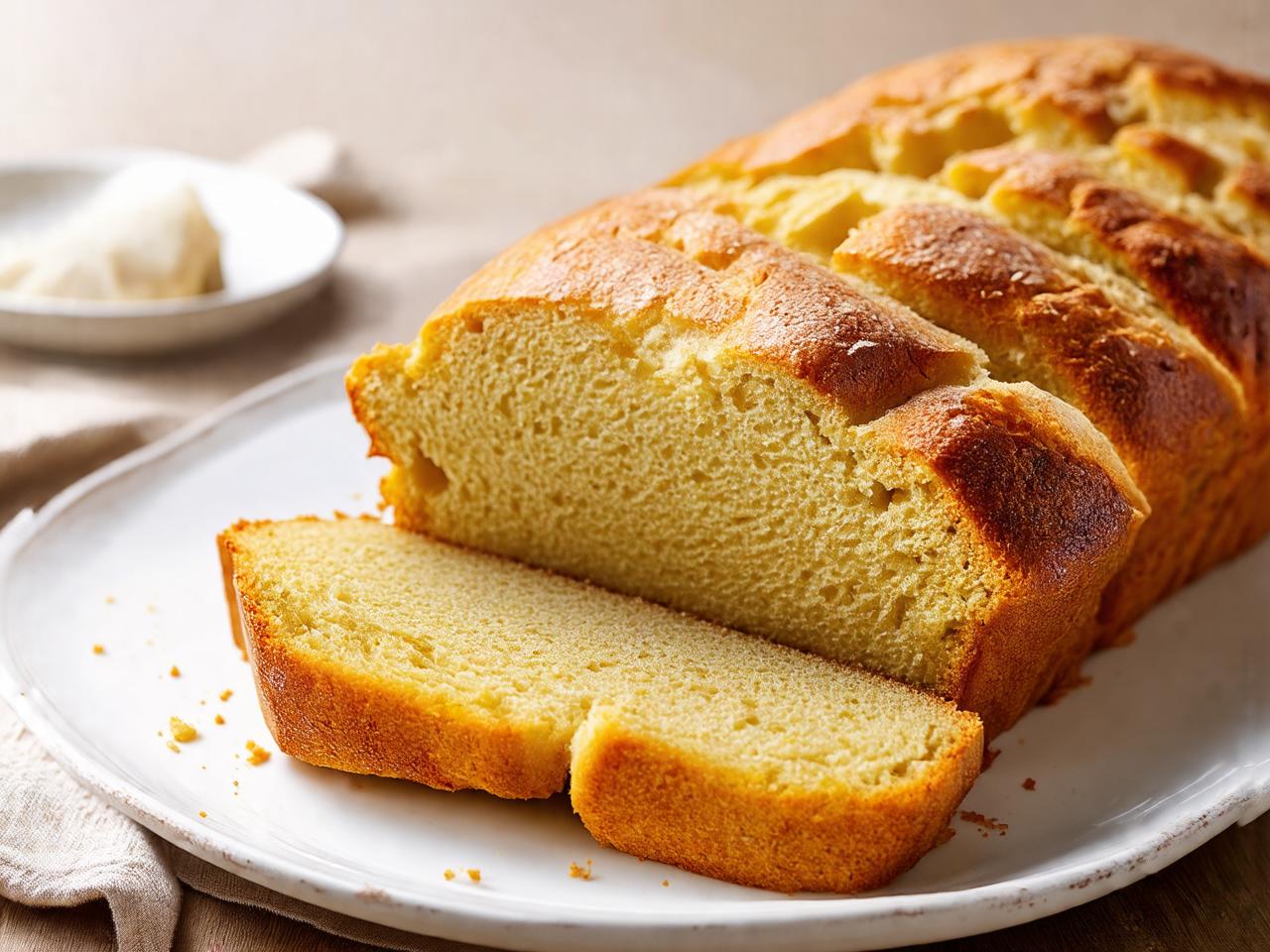
Key Takeaways from the Bread Jesus Ate Recipe
This ancient flatbread recipe offers valuable lessons in simplicity and traditional Middle Eastern cooking. The Bread Jesus Ate Recipe relies on basic ingredients, including 240 g / 1 cup of whole wheat flour, 120 ml / 1/2 cup of water, and a pinch of salt.
- Simple ingredients: The recipe highlights the importance of using minimal, high-quality ingredients to produce a delicious and authentic flatbread.
- Traditional techniques: The process of mixing, kneading, and baking the dough at 220°C / 425°F for 10-12 minutes yields a crispy crust and a soft interior.
- Respect for heritage: This recipe is a testament to the enduring legacy of Middle Eastern cuisine and the significance of preserving traditional cooking methods.
By following the Bread Jesus Ate Recipe, cooks can gain a deeper understanding of the cultural and historical context surrounding this ancient flatbread, as well as develop essential skills in traditional bread-making.
Enjoy Your Delicious Bread Jesus Ate
With this traditional Middle Eastern flatbread recipe, you’re one step closer to experiencing the authentic flavors of the region. This simple yet flavorful bread is a staple in many Middle Eastern households, and now it’s yours to enjoy. We hope you’ve had as much fun making it as we have sharing it with you. Don’t stop here – explore more of our Middle Eastern recipes, like tabbouleh and hummus, to dive deeper into the rich culinary heritage of the region.
Happy baking!