Get the best pancake recipe with easy steps and tips

The Quest for the Perfect Pancake
There’s nothing quite like a stack of fluffy, golden pancakes on a lazy weekend morning. But achieving pancake perfection can sometimes feel like a culinary quest. Fear not, pancake enthusiasts! This recipe unlocks the secrets to creating irresistible pancakes that are light, tender, and bursting with flavor.
We’ll guide you through each step, from mixing the batter to achieving that perfect golden-brown crust. Get ready to impress your family and friends with breakfast that tastes like a dream come true.
What Makes a Pancake Perfect?
- Fluffy texture: We’ll use a combination of ingredients to ensure your pancakes rise high and have a delightful airy interior.
- Golden-brown crust: The perfect balance of heat and cooking time will give your pancakes a beautiful, crispy exterior.
- Melt-in-your-mouth flavor: We’ll incorporate a touch of sweetness and a hint of vanilla to create a pancake that’s simply irresistible.
Classic Pancake Recipe
Indulge in a stack of fluffy, golden pancakes with our simple recipe.
Pancake Ingredients:
- 240 g / 1 cup all-purpose flour
- 20 g / 2 tablespoons sugar
- 5 g / 1 teaspoon salt
- 1 large egg
- 120 ml / 1/2 cup milk
- 15 g / 1 tablespoon unsalted butter, melted
Recipe Instructions:
- In a large bowl, whisk together flour, sugar, and salt.
- In a separate bowl, whisk egg, milk, and melted butter.
- Pour the wet ingredients into the dry ingredients and stir until just combined.
- Heat a non-stick pan or griddle over medium heat (180°C / 350°F).
- Cook pancakes for 2-3 minutes, until bubbles appear on the surface.
- Flip and cook for an additional 1-2 minutes, until golden brown.
Cooking Time: 10-15 minutes per batch. Makes 8-10 pancakes.
Pancake Ingredients and Measurements
To make the perfect pancake, it’s essential to have the right ingredients in the correct quantities. This section outlines the necessary components and their measurements for a delicious pancake recipe.
The following ingredients are required for a classic pancake batter:
- 240 g / 1 cup all-purpose flour
- 30 g / 2 tablespoons sugar
- 2 teaspoons baking powder
- 1/2 teaspoon salt
- 180 ml / 3/4 cup milk
- 1 large egg
- 20 g / 1 tablespoon unsalted butter, melted
- 1 teaspoon pure vanilla extract
- Optional ingredients:
- Blueberries or other fruits for added flavor and nutrition
- Chopped nuts for extra texture and crunch
- Chocolate chips for a sweet and indulgent twist
Ensure that all ingredients are at room temperature (around 20°C / 68°F) before mixing to achieve the best results.
Step-by-Step Pancake Instructions
Ready to whip up a batch of fluffy, golden-brown pancakes? Follow these easy steps for a delicious breakfast treat.
- Mix the Dry Ingredients: In a large bowl, whisk together 240 g / 1 cup all-purpose flour, 2 teaspoons baking powder, 1/2 teaspoon baking soda, 1/4 teaspoon salt, and 2 tablespoons granulated sugar.
- Mix the Wet Ingredients: In a separate bowl, whisk together 300 ml / 1 1/4 cups milk, 1 egg, 2 tablespoons melted unsalted butter, and 1 teaspoon vanilla extract.
- Combine Wet and Dry: Gradually add the wet ingredients to the dry ingredients, whisking until just combined. Avoid overmixing; a few lumps are okay.
- Heat the Griddle: Heat a lightly oiled griddle or frying pan over medium heat (about 180°C/350°F).
- Cook the Pancakes: Pour 1/4 cup of batter onto the hot griddle for each pancake. Cook for 2-3 minutes per side, or until golden brown and cooked through.
- Serve and Enjoy: Serve the pancakes immediately with your favorite toppings, such as butter, syrup, fruit, or whipped cream.
Pro Tips for Making the Fluffiest Pancakes
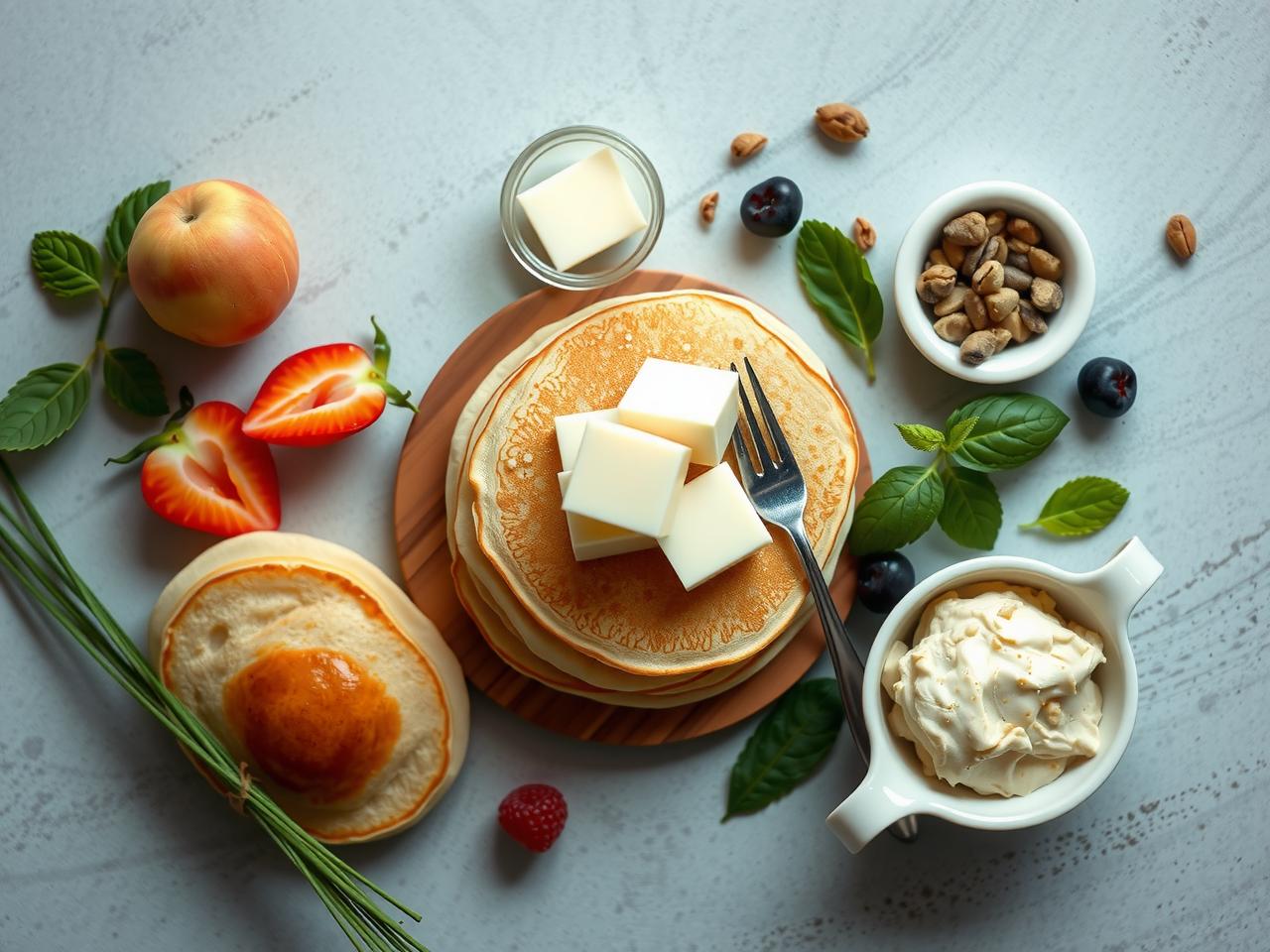
Mastering the art of pancake making requires a combination of technique, patience, and practice. Follow these expert tips to achieve the perfect pancake texture and flavor.
- Use buttermilk for a tender crumb. The acidity in buttermilk helps break down the starches in the flour, resulting in a tender and fluffy pancake.
- Don’t overmix the batter. Overmixing can lead to a dense and tough pancake. Mix the wet and dry ingredients separately and gently fold them together until just combined.
- Let the batter rest. Allowing the batter to rest for 10-15 minutes will help the flour absorb the liquid and the Pancake will rise evenly.
- Avoid overcrowding the pan. Cook the pancakes in batches if necessary, to ensure they have enough room to cook evenly and prevent steaming instead of browning.
- Don’t overcook the pancakes. Cook the pancakes until bubbles appear on the surface and the edges start to dry, then flip and cook for another 1-2 minutes, until golden brown.
Common pitfalls to watch out for include using old or low-quality ingredients, not adjusting the heat, and not using the right pan. By following these pro tips, you’ll be well on your way to making the fluffiest, most delicious pancakes ever.
Pancake Ingredient Substitutions and Variations
To accommodate various dietary restrictions, several ingredients in a traditional pancake recipe can be substituted. When making these substitutions, it’s essential to maintain the right balance of ingredients to achieve a delicious pancake.
A basic pancake recipe typically includes 240 g / 1 cup all-purpose flour, 30 g / 2 tablespoons sugar, 2 teaspoons baking powder, and 1/2 teaspoon salt. The liquid ingredients are 475 ml / 2 cups milk, 1 large egg, and 30 g / 2 tablespoons melted butter.
- 240 g / 1 cup all-purpose flour
- 30 g / 2 tablespoons sugar
- 2 teaspoons baking powder
- 1/2 teaspoon salt
- 475 ml / 2 cups milk
- 1 large egg
- 30 g / 2 tablespoons melted butter
-
Optional ingredients:
- Fresh or dried fruits (e.g., blueberries, bananas)
- Nuts (e.g., walnuts, almonds)
- Chocolate chips
- Spices (e.g., cinnamon, vanilla)
These ingredients can be mixed and cooked on a non-stick pan or griddle at 190°C / 375°F to create a delicious pancake.
Creative Pancake Variations and Toppings
Ready to take your pancake game from basic to brilliant? Let’s explore some exciting flavor combinations and toppings that will transform your breakfast.
Pancake Variations
- Blueberry Lemon Pancakes: Add 1/2 cup (60 g) of fresh or frozen blueberries and the zest of 1 lemon to your batter. These beauties have a bright, citrusy kick.
- Chocolate Chip Banana Pancakes: Fold in 1/2 cup (60 g) of chocolate chips and 1 mashed banana for a classic sweet treat.
- Cinnamon Roll Pancakes: Add 1 teaspoon of cinnamon and 1/4 cup (30 g) of brown sugar to the batter. Top with a cream cheese glaze for the ultimate indulgence. (Cooking time may increase slightly).
Topping Inspiration
Don’t forget the finishing touches!
- Fresh Fruit: Berries, sliced bananas, peaches, or mangoes add natural sweetness and vibrant color.
- Whipped Cream & Chocolate Sauce: A decadent combination that’s always a crowd-pleaser.
- Nut Butter & Honey: A simple yet satisfying topping with a touch of nutty flavor.
Storing and Reheating Pancakes: Tips for Freshness and Perfection
Store your pancakes in an airtight container at room temperature for up to 2 days or in the refrigerator for up to 5 days.
- Freeze pancakes for up to 3 months. Wrap them tightly in plastic wrap or aluminum foil and place in a freezer-safe bag.
- Refrigerate pancakes within 2 hours of cooking to prevent bacterial growth.
Reheating Instructions
- Toaster or Toaster Oven: Place a pancake in the toaster or toaster oven at 180°C (350°F) for 2-3 minutes or until warmed through.
- Microwave: Wrap a pancake in a damp paper towel and heat on high for 20-30 seconds or until warmed through.
- Griddle or Skillet: Place a pancake over medium heat and cook for 1-2 minutes or until warmed through.
Always check the pancake for even heating before serving. If reheating from frozen, thaw overnight in the refrigerator before reheating.
Troubleshooting Pancake Issues
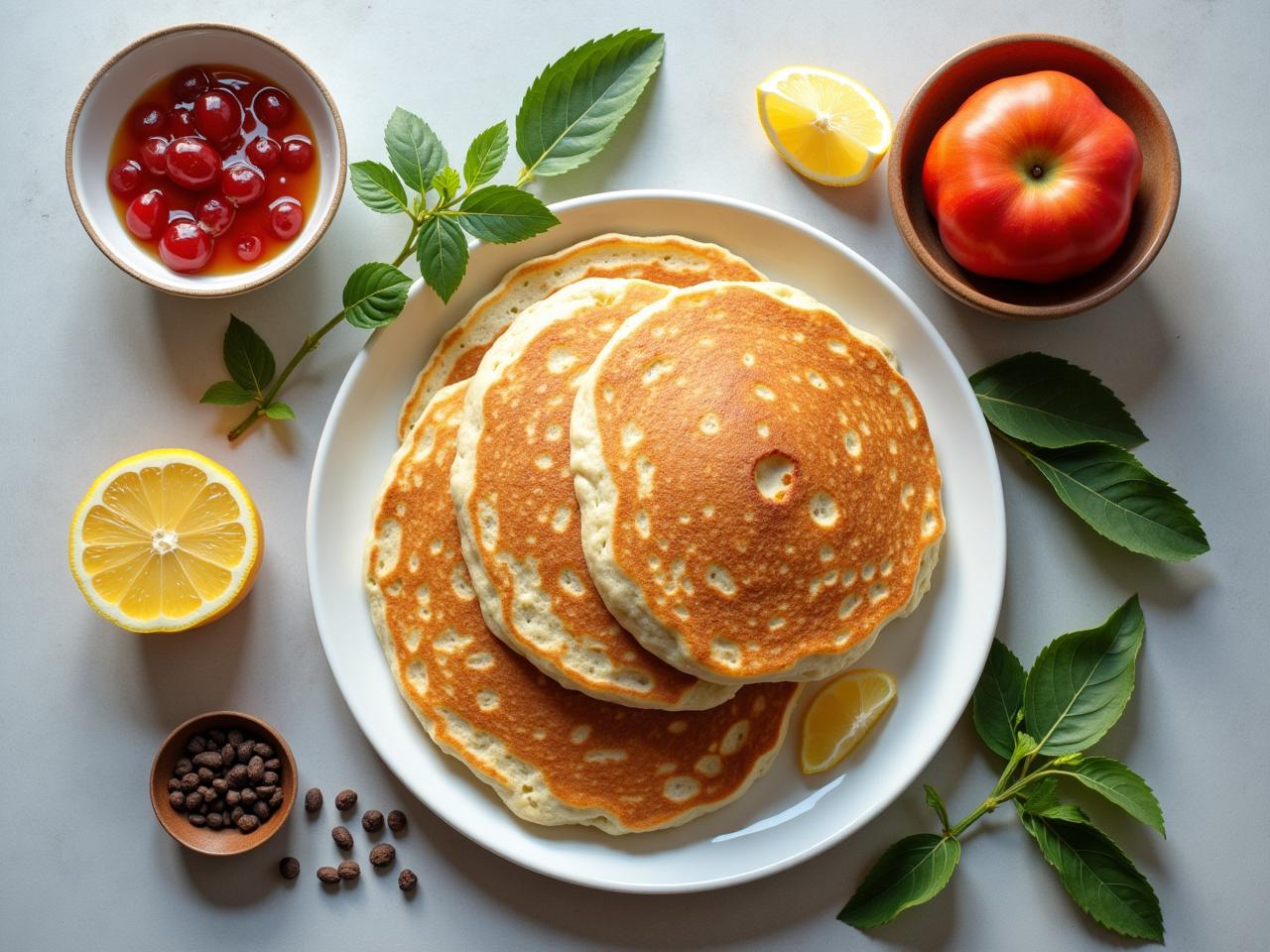
Even with a reliable pancake recipe, issues can arise. Identifying and solving these problems is key to achieving the perfect breakfast.
Common Pancake Problems and Solutions
- Undercooked or overcooked pancakes: Check the heat – ideally between 180°C / 350°F and 200°C / 400°F. Adjust cooking time as needed.
- Tough or dense pancakes: Overmixing can be the culprit. Mix wet and dry ingredients separately and gently fold them together.
- Burning or browning too quickly: Reduce heat or use a non-stick pan to prevent sticking and promote even cooking.
To resolve these issues, ensure accurate measurements – 240 g / 1 cup of flour, for example – and the right cooking temperature. With practice and patience, perfect pancakes are within reach.
Pancake Nutrition Facts and Health Benefits
Pancakes are a popular breakfast staple, but how do they stack up nutritionally? A typical serving of pancakes (about 1 medium pancake) provides roughly 150 calories, 25 grams of carbohydrates, 5 grams of protein, and 2 grams of fat.
While pancakes can be a source of energy and some protein, they are relatively high in carbohydrates.
Dietary Considerations:
- Gluten-Free: Many pancake recipes can be easily adapted to be gluten-free by using gluten-free flour blends.
- Dairy-Free: Substituting dairy milk with plant-based alternatives like almond milk or soy milk makes pancakes dairy-free.
- Vegan: Using vegan egg substitutes and dairy-free milk creates a delicious vegan pancake option.
- Can I make pancake batter ahead of time? Yes, you can make the batter up to a day in advance, but it’s best to let it rest in the fridge for at least 30 minutes to allow the flour to absorb the liquid ingredients.
- How do I prevent pancakes from becoming too dense? To prevent dense pancakes, don’t overmix the batter, and make sure to not overmeasure the flour, as this can lead to a tough and dense texture.
- Can I substitute all-purpose flour with other types of flour? While all-purpose flour is recommended, you can experiment with other types of flour like whole wheat, oat, or almond flour, but keep in mind that the texture and flavor may vary, and you may need to adjust the liquid content.
- How do I store leftover pancakes? Leftover pancakes can be stored in an airtight container in the fridge for up to 3 days or frozen for up to 2 months, and can be reheated in the microwave or toaster for a quick breakfast.
Frequently Asked Questions About Pancakes
Get answers to common questions about making and enjoying pancakes.
What’s the ideal pancake batter consistency?
The batter should be smooth and free of lumps. If it’s too thick, add a little more milk (30 ml / 2 tablespoons). If it’s too thin, add a little more flour (30 g / 2 tablespoons).
How do I prevent pancakes from burning?
Use a non-stick pan or griddle and adjust the heat to medium-low (175°C / 350°F). Don’t overcrowd the pan, cook in batches if necessary.
Can I make pancakes ahead of time?
Yes, you can mix the batter up to 2 hours in advance and store it in the refrigerator. Let it come to room temperature before cooking.
How do I store leftover pancakes?
Cool the pancakes completely and store them in an airtight container in the refrigerator for up to 3 days or freeze for up to 2 months.
Key Takeaways for the Perfect Pancake Recipe
To achieve a delicious pancake breakfast, several essential tips and tricks must be considered. A successful pancake recipe relies on the right balance of ingredients and cooking techniques.
- Use a combination of 240 g / 1 cup all-purpose flour, 30 g / 2 tablespoons sugar, and 5 g / 1 teaspoon salt for a classic pancake batter.
- Whisk 2 large eggs with 475 ml / 2 cups of milk and 15 ml / 1 tablespoon of melted butter for a rich and creamy texture.
- Cook on a non-stick pan or griddle at 200°C / 400°F for an even golden-brown color.
Additional considerations include not overmixing the batter, using the right amount of leavening agents, and adjusting the heat as needed to prevent burning. By following these key takeaways, a perfect pancake recipe can be achieved, resulting in a mouth-watering breakfast treat.
Conclusion: Enjoy Your Delicious Homemade Pancakes
With this pancake recipe, you’re just a few minutes away from a fluffy, golden breakfast treat that’s sure to become a family favorite. Don’t be afraid to experiment with different toppings and mix-ins – try adding fresh berries, chopped nuts, or even a drizzle of honey to create a unique flavor combination.
We hope you enjoy making and sharing these pancakes with your loved ones. Join our cooking community to discover more breakfast inspiration and recipes to try. Share your experiences and tips in the comments below – we’d love to hear from you!