Discover traditional Slovak sausage recipes with detailed instructions, tips, and variations.
A Taste of Slovakia: Exploring the World of Slovak Sausage
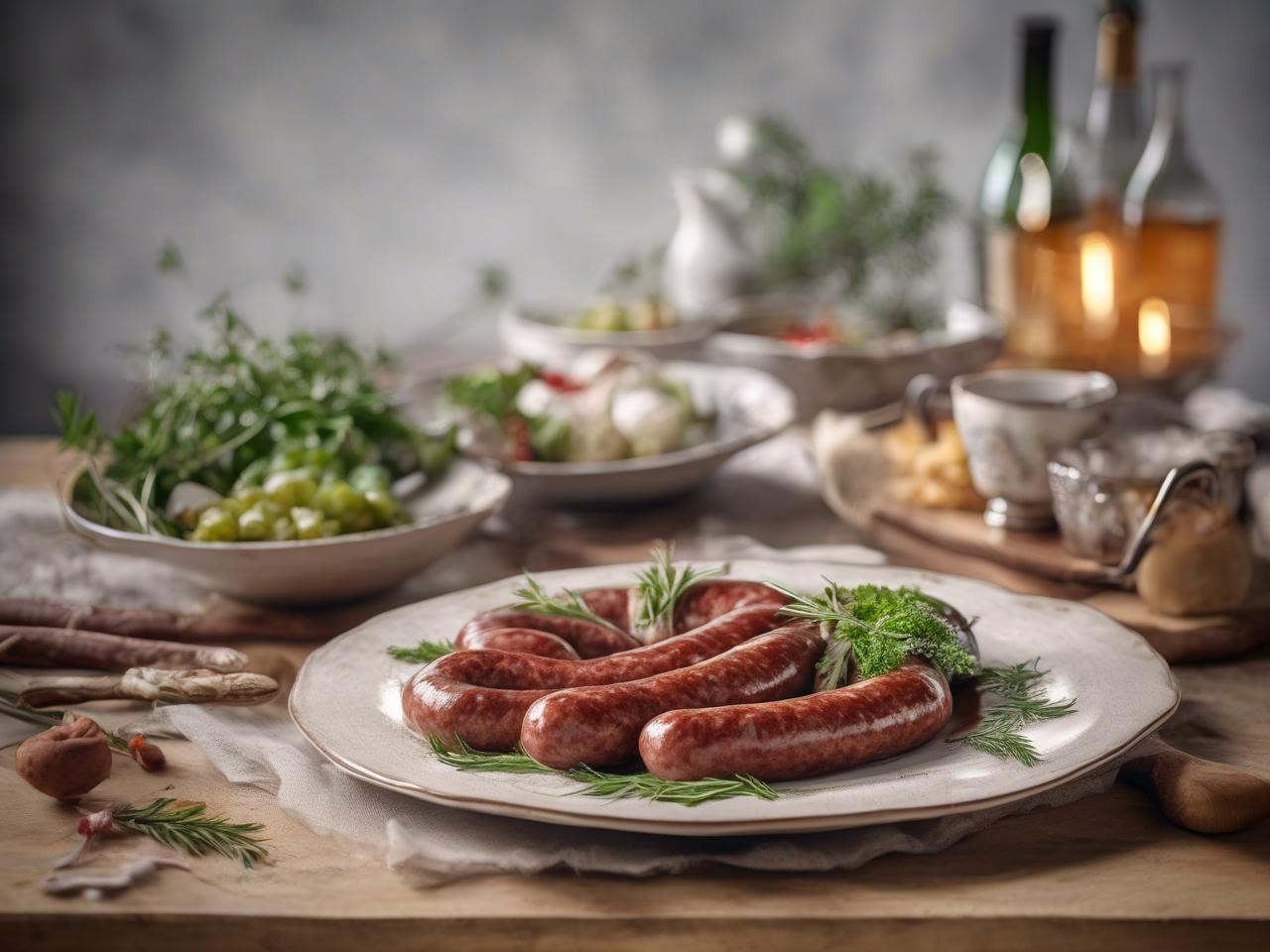
Slovak sausage, or klobása in Slovak, is a cornerstone of Slovak cuisine. These flavorful sausages, often made with a blend of pork, beef, and spices, have a rich history dating back centuries.
Traditionally, Slovak sausages were crafted using generations-old techniques, passed down through families. They played a vital role in preserving meat, especially during the winter months. Today, they remain a beloved part of Slovak culture, enjoyed at festive gatherings, family meals, and casual snacks.
From the smoky, paprika-infused píniová klobása to the spicy jaternica, Slovak sausages offer a diverse range of flavors and textures. Their popularity has extended beyond Slovakia’s borders, captivating food lovers worldwide with their unique taste and traditional charm.
Slovak Sausage Recipe Card
This hearty Slovak sausage recipe is a staple in Eastern European cuisine. Enjoy it with a side of dumplings or in a rich, flavorful stew.
Recipe Details
- Servings: 6-8 people
- Cooking Time: 45-60 minutes (including prep time)
- Difficulty Level: Moderate
Key Ingredients
- 240 g / 1 cup smoked paprika
- 120 g / 1/2 cup brown sugar
- 30 g / 2 tbsp black peppercorns
- 1 kg / 2.2 lbs Slovak sausage (or substitute with similar types)
Temperature Guidelines
- Preheat oven to 180°C / 350°F.
- Grill or pan-fry at 200°C / 400°F.
For a complete recipe, including step-by-step instructions and additional tips, click the link below.
Ingredients for Slovak Sausage
To make authentic Slovak sausage, it’s essential to use the right combination of meats, spices, and equipment. The key to a delicious Slovak sausage lies in the quality of the ingredients and the attention to detail in the preparation process.
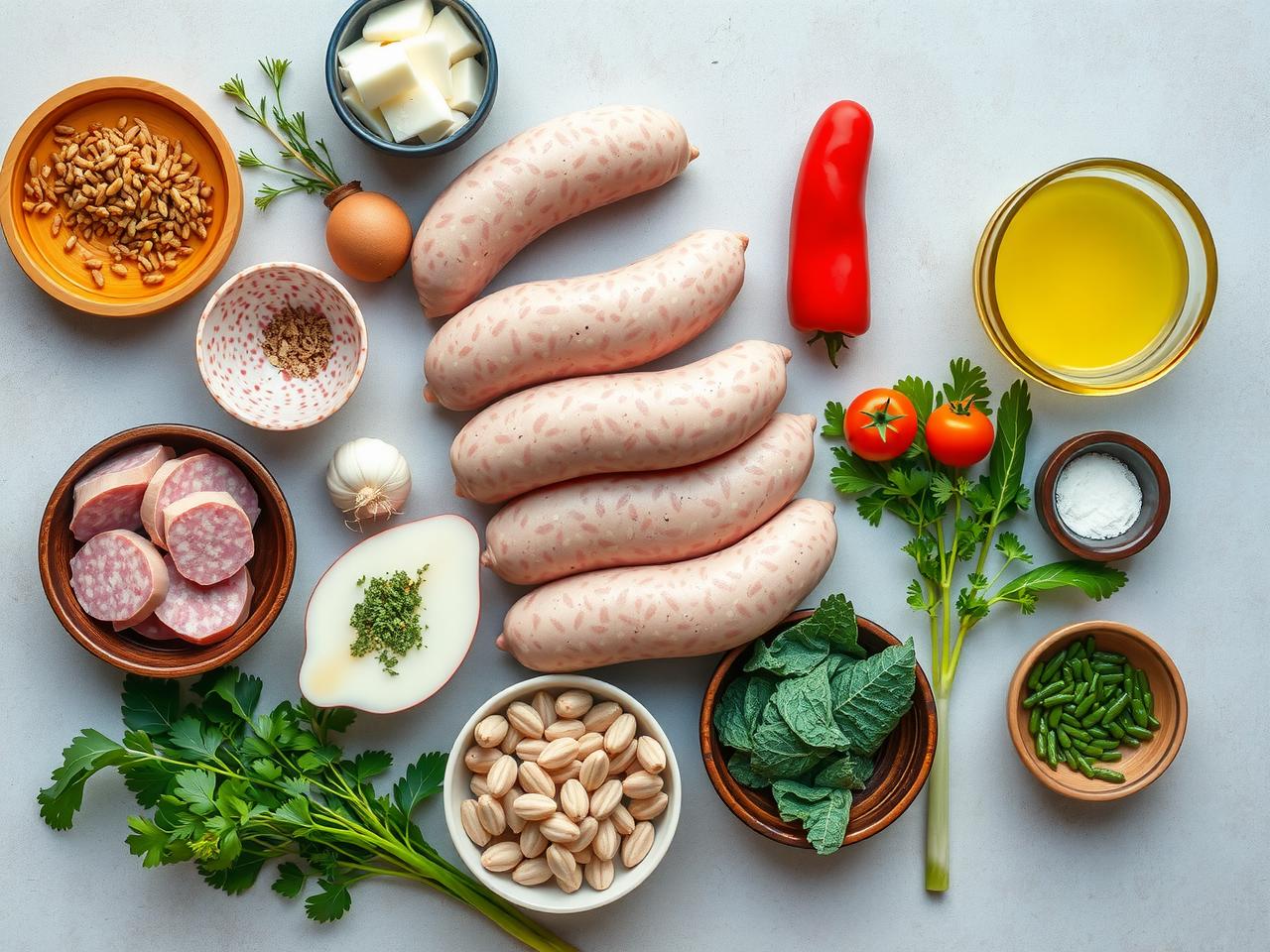
The basic ingredients include a mix of meats, such as pork, beef, and lamb, which provide the necessary flavor and texture. Spices like black pepper, garlic, and paprika add depth and warmth to the sausage.
Necessary Ingredients:
- 500 g / 1.1 lb pork shoulder, finely ground
- 250 g / 0.55 lb beef, finely ground
- 100 g / 0.22 lb lamb, finely ground
- 20 g / 0.07 oz salt
- 10 g / 0.04 oz black pepper
- 5 g / 0.02 oz garlic powder
- 5 g / 0.02 oz smoked paprika
- Casings for sausage (available at most butcher shops or online)
- Sausage stuffing equipment (such as a meat grinder and sausage stuffer)
- Optional:
- 50 g / 0.11 lb chopped fresh parsley
- 25 g / 0.09 oz caraway seeds
- 10 g / 0.04 oz cayenne pepper
Step-by-Step Instructions for Slovak Sausage
Slovak sausage, with its unique blend of spices and flavors, is a culinary delight that can be enjoyed in various ways. This guide will walk you through the preparation and cooking methods to ensure you get the most out of this delicious sausage.
Preparation
- Remove the sausage from the packaging. Place it on a cutting board.
- Slice the sausage into desired thickness. For frying or grilling, aim for ½-inch (1.3 cm) slices. For stews or soups, consider cutting them into bite-sized pieces.
- Pat the sliced sausage dry with paper towels. This helps achieve a crispy exterior when frying or grilling.
Cooking Methods
Frying
- Heat a skillet over medium heat. Add 1 tablespoon of oil to the pan.
- Place the sausage slices in the hot skillet. Ensure they are not overcrowded, cook in batches if necessary.
- Fry the sausage for 5-7 minutes per side, or until golden brown and cooked through. Internal temperature should reach 74°C (165°F).
- Remove the cooked sausage from the skillet and drain on paper towels. Serve immediately.
Grilling
- Preheat your grill to medium heat.
- Place the sausage slices on the grill grates.
- Grill for 5-7 minutes per side, or until cooked through. Internal temperature should reach 74°C (165°F).
- Remove the cooked sausage from the grill and serve immediately.
Stewing/Souping
- Brown the sliced sausage in a large pot over medium heat.
- Add your desired vegetables, broth, and seasonings.
- Bring the mixture to a boil, then reduce heat and simmer for 30-45 minutes, or until the vegetables are tender.
- Remove the sausage from the pot and serve with the stew or soup.
Pro Tips for Making Slovak Sausage
To achieve authentic flavor, texture, and presentation, follow these expert tips:
- Use high-quality ingredients: Fresh pork, beef, or lamb, and traditional spices like caraway seeds and paprika will give your Slovak sausage that authentic taste.
- Don’t overmix the meat:** Mix the meat just until the ingredients are combined. Overmixing can lead to dense, tough sausages.
- Use the right casings:** Natural casings, like hog intestines, will give your sausages a traditional snap when cooked. Synthetic casings can be used as a substitute.
- Avoid overcooking:** Slovak sausage is best cooked until it reaches an internal temperature of 63°C (145°F). Overcooking can make the sausage dry and tough.
(See Also:Panera Bread Sugar Cookie Recipe)
Common Pitfalls to Avoid:
- Underseasoning:** Don’t be shy with the spices – Slovak sausage is known for its bold flavor.
- Not letting the sausages rest:** After cooking, let the sausages rest for a few minutes before slicing. This will help the juices redistribute and the sausage to retain its flavor.
By following these pro tips, you’ll be well on your way to creating authentic Slovak sausage that will impress even the most discerning palates.
Substitutions and Alternatives for Slovak Sausage
When making Slovak sausage, certain ingredients can be substituted or altered to accommodate dietary restrictions or personal preferences. For meat, 240 g / 1 cup of ground pork can be replaced with an equivalent amount of ground beef or a combination of ground meats.
- Paprika can be substituted with 1.25 teaspoons / 6.25 ml of smoked paprika for a deeper flavor or 1 teaspoon / 5 ml of sweet paprika for a milder taste.
- Garlic can be replaced with 1.25 teaspoons / 6.25 ml of garlic powder or 2 cloves of minced onion for a different flavor profile.
In terms of equipment, a meat grinder can be substituted with a food processor or a knife for chopping the meat, although this may affect the texture of the sausage. When cooking, ensure the internal temperature reaches 71°C / 160°F for food safety.
Variations and Regional Twists on Slovak Sausage
Slovak sausage, with its distinctive blend of savory flavors and textures, enjoys numerous regional variations that reflect the country’s diverse culinary heritage.
-
Bratislavská Klobása
Hailing from the capital city, this sausage is known for its slightly sweeter profile. It often incorporates marjoram and caraway seeds, lending a warm, aromatic note. Cooking time is typically around 20 minutes at 180°C (350°F).
-
Kysucká Klobása
Originating from the Kysuce region, this sausage features a spicier kick. Paprika and black pepper are prominent, giving it a robust flavor. Expect a cooking time of 25 minutes at 180°C (350°F).
-
Šarišská Klobása
From the Šariš region, this sausage is characterized by its rich, earthy taste. It often includes garlic and marjoram, resulting in a complex flavor profile. Cooking time is around 20 minutes at 180°C (350°F).
These are just a few examples of the delightful variations found within Slovak sausage traditions. Each region adds its own unique touch, making every bite a journey through the country’s culinary landscape.
Storing and Preserving Slovak Sausage for Later Use
Slovak sausage can be stored in the refrigerator or freezer to maintain its quality and safety. When storing in the refrigerator, keep the sausage at a consistent temperature below 4°C (39°F) and consume within 3-5 days. (See Also:Panera Avocado Toast Recipe)
Refrigeration Tips:
- Wrap the sausage tightly in plastic wrap or aluminum foil to prevent drying out.
- Place the wrapped sausage in a covered container to prevent cross-contamination.
Freezing Slovak Sausage:
Freezing is an excellent way to preserve Slovak sausage for longer periods. When freezing, it’s essential to follow proper food safety guidelines:
- Place the sausage in an airtight container or freezer bag, making sure to remove as much air as possible.
- Label the container with the date and contents.
- Store the sausage at 0°C (-18°F) or below for up to 3-4 months.
When thawing frozen Slovak sausage, do so in the refrigerator or under cold running water. Always check the sausage for any signs of spoilage before consuming.
Troubleshooting Common Issues with Slovak Sausage
When working with Slovak sausage, several issues can arise, affecting the final texture, flavor, and overall cooking experience. Identifying and addressing these problems is crucial for achieving the best results.
Common Problems and Fixes
The following are some common issues encountered when cooking Slovak sausage, along with their solutions:
- Overcooking: Cooking the sausage at too high a temperature (above 200°C / 400°F) can lead to dryness. Fix: Cook at a lower temperature (160°C / 325°F) for a longer period.
- Lack of flavor: Insufficient seasoning or not using traditional Slovak ingredients can result in a bland taste. Fix: Use a combination of salt, black pepper, and paprika, and consider adding garlic or caraway seeds for added depth.
- Uneven texture: Incorrect casing or filling can cause the sausage to become uneven or burst during cooking. Fix: Ensure the casing is properly prepared and filled, and cook the sausage gently to prevent bursting.
- Undercooking: Failing to cook the sausage to a safe internal temperature (at least 74°C / 165°F) can lead to foodborne illness. Fix: Use a thermometer to check the internal temperature and cook for a longer period if necessary.
By being aware of these common issues and their solutions, it’s possible to achieve perfectly cooked Slovak sausage every time, with a delicious texture and flavor.
Nutritional Information
Slovak sausage is a flavorful and hearty dish, but it’s important to be mindful of its nutritional content. A typical serving of Slovak sausage (approximately 100g/3.5oz) provides around 250 calories, 15g of fat, 20g of protein, and 5g of carbohydrates.
The majority of calories in Slovak sausage come from fat, primarily saturated fat. It’s also a good source of protein, which is essential for building and repairing tissues. The carbohydrate content is relatively low.
Dietary Considerations: Slovak sausage is typically high in sodium and may contain nitrates or nitrites. It is not suitable for a vegan or vegetarian diet due to its meat content.
- Where can I find Slovak sausage? You can usually find it at European or specialty grocery stores. Look for brands like Kielbasa or Merguez.
- What type of meat is Slovak sausage made from? Traditional Slovak sausage is made from a combination of pork, beef, and spices.
- How do I cook Slovak sausage? You can grill, pan-fry, or bake it. Simply slice it and cook it in a skillet over medium-high heat until browned and crispy.
- Can I cook Slovak sausage in a slow cooker? Yes, you can cook it in a slow cooker with your favorite vegetables and sauce.
- What’s a popular way to serve Slovak sausage? Serve it with peppers and onions, or with a side of mashed potatoes and sauerkraut.
- Can I use Slovak sausage in a sandwich? Yes, it makes a great addition to a sandwich or sub.
Key Takeaways for Making Authentic Slovak Sausage
To achieve authentic Slovak sausage, several essential tips and techniques must be considered. First, the choice of meat is crucial, with a combination of 500 g / 1.1 lb pork and 250 g / 0.55 lb beef being traditional. The meat should be ground to a medium-coarse texture.
- Use a blend of spices, including paprika, garlic powder, and black pepper, to give the sausage its distinctive flavor.
- Keep the sausage casings at a consistent temperature of 4 °C / 39 °F to prevent bacterial growth.
- Smoke the sausages at 60 °C / 140 °F for at least 30 minutes to develop the characteristic flavor and texture.
By following these key takeaways and using traditional ingredients like caraway seeds and marjoram, authentic Slovak sausage can be successfully made at home. The resulting sausages will have a rich, savory flavor and a satisfying snap to the bite. (See Also:Dom Deluise Meatball Recipe)
Conclusion and Final Thoughts on Slovak Sausage Recipes
Our Slovak sausage recipes offer a taste of traditional European cuisine, rich in flavor and history. Whether you’re a seasoned chef or a curious foodie, these recipes are sure to delight your senses.
We hope you’ve enjoyed this culinary journey and are inspired to try more Slovak dishes. Be sure to explore our related recipes, featuring hearty goulashes, savory dumplings, and decadent pastries.
Don’t be afraid to experiment and make these recipes your own – after all, that’s where the magic happens in the kitchen!