Learn how to make authentic Leidenheimer French bread at home with our detailed recipe, expert tips, and practical timing. Perfect for sandwiches, toast, or as a side dish.
The History and Significance of Leidenheimer French Bread
Leidenheimer French bread has been a staple in New Orleans cuisine for over a century. This iconic bread originated in the 1800s, when European immigrants brought their traditional baking techniques to the city. The Leidenheimer family, in particular, played a significant role in popularizing this style of French bread.
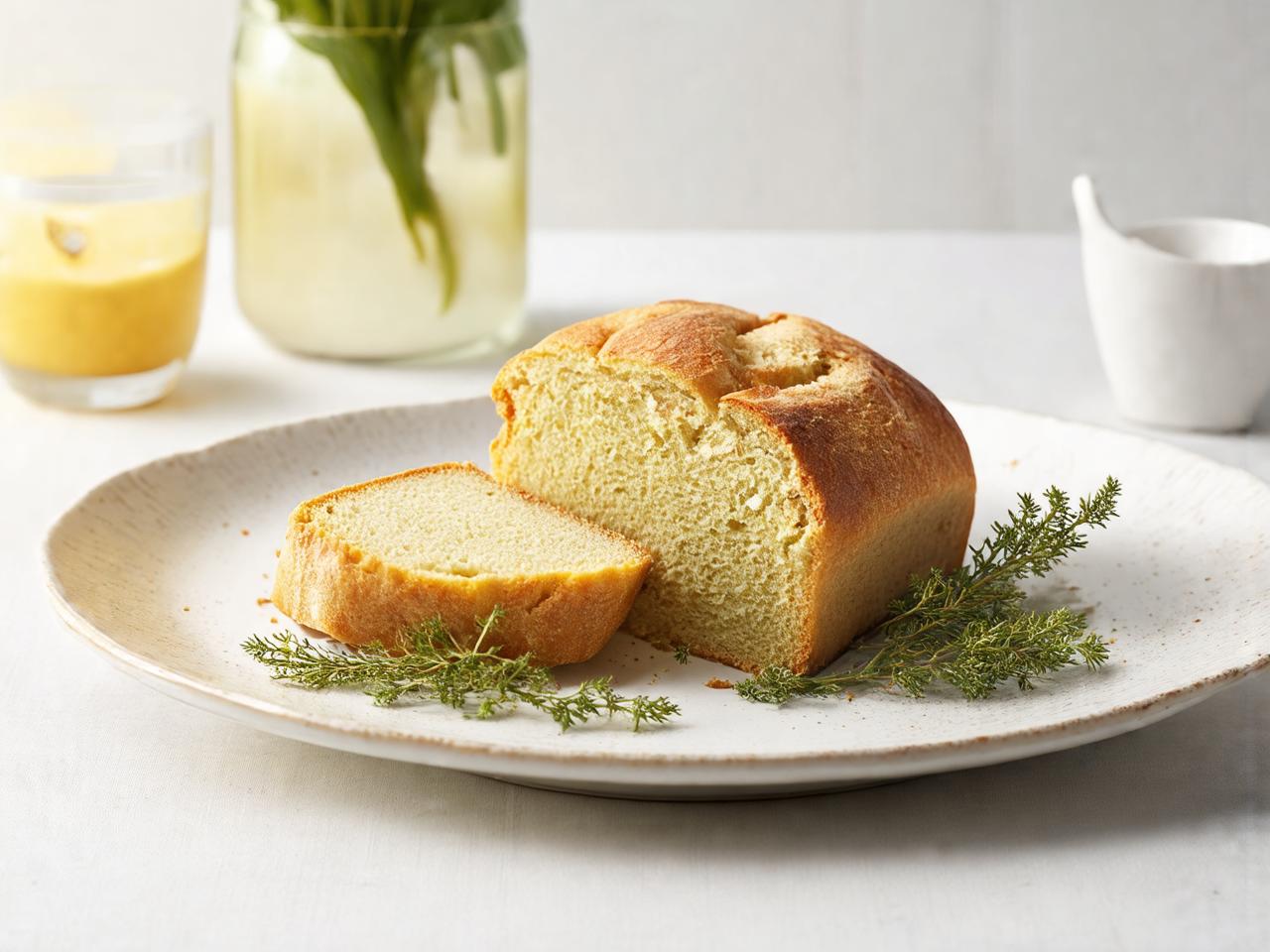
Today, Leidenheimer French bread is renowned for its crispy crust and soft interior. It’s a versatile bread that pairs well with a variety of dishes, from gumbo to jambalaya. The bread’s popularity extends beyond New Orleans, with many bakeries and home cooks attempting to replicate its unique flavor and texture.
- Crusty exterior, soft interior: the hallmark of Leidenheimer French bread
- Versatile pairing options: from soups to sandwiches
- Rich history: a staple in New Orleans cuisine for over a century
With the right ingredients and techniques, it’s possible to make authentic Leidenheimer French bread at home. By following a traditional French bread recipe and using a steamy oven at 220°C / 425°F, home cooks can achieve the signature crust and flavor of this beloved bread.
Leidenheimer French Bread Recipe
This recipe brings the authentic taste of Leidenheimer French bread to your kitchen. Known for its crispy crust and soft, airy interior, this bread is perfect for sandwiches, dipping in soup, or simply enjoying on its own.
Ingredients:
- 300 g / 2 1/4 cups warm water (38°C/100°F)
- 1 tablespoon sugar
- 2 teaspoons active dry yeast
- 1 teaspoon salt
- 450 g / 3 3/4 cups bread flour, plus more for dusting
- 1 tablespoon olive oil
Instructions:
In a large bowl, combine warm water, sugar, and yeast. Let stand for 5 minutes until foamy. Add salt, flour, and olive oil. Stir until a dough forms.
Turn dough out onto a lightly floured surface and knead for 8-10 minutes until smooth and elastic. Place dough in a lightly oiled bowl, turning to coat. Cover and let rise in a warm place for 1 hour, or until doubled in size.
Preheat oven to 230°C/450°F. Punch down dough and divide in half. Shape each half into a loaf and place on a baking sheet lined with parchment paper.
Bake for 30-35 minutes, or until golden brown and sounds hollow when tapped. Let cool on a wire rack before slicing.
Leidenheimer French Bread Ingredients
Authentic Leidenheimer French bread relies on a few simple yet essential ingredients. This list provides the foundation for creating a delicious, crusty loaf.
- Yeast (active dry): 2 teaspoons (10 ml) / 1 packet (7 g)
- Strong bread flour: 1 kilogram (2.2 lbs) / 4 cups
- Water: 750 milliliters (25.4 fl oz) / 3.2 cups
- Salt: 20 grams (0.7 oz) / 1 tablespoon
- Sugar: 5 grams (0.2 oz) / 1 teaspoon
The following ingredients enhance the flavor and texture of your Leidenheimer French bread:
- Optional: Sesame seeds for topping (10 grams / 0.4 oz)
- Optional: Whole wheat flour for added nutrition (100 grams / 3.5 oz / 0.5 cup)
- Optional: Olive oil for brushing the crust (30 milliliters / 1 fl oz)
When working with yeast, ensure the water is at the right temperature (22°C / 72°F) to activate the yeast properly.
Step-by-Step Instructions for Making Leidenheimer French Bread
To make authentic Leidenheimer French bread, follow these detailed instructions to mix, knead, rise, shape, and bake this delicious bread at home.
The Leidenheimer French bread recipe involves a combination of simple ingredients, including 500 g / 2.5 cups of bread flour, 10 g / 2 teaspoons of salt, 10 g / 2 teaspoons of sugar, and 15 g / 1 tablespoon of active dry yeast, as well as 350 ml / 1.5 cups of water.
Mixing and Kneading the Dough
Start by combining the dry ingredients, including bread flour, salt, sugar, and yeast, in a large mixing bowl, then gradually add the water while mixing the ingredients together.
- Mix the dry ingredients, including 500 g / 2.5 cups of bread flour, 10 g / 2 teaspoons of salt, 10 g / 2 teaspoons of sugar, and 15 g / 1 tablespoon of active dry yeast, in a large mixing bowl for 2 minutes at room temperature, approximately 20°C / 68°F.
- Gradually add 350 ml / 1.5 cups of water to the dry ingredients while mixing the dough using a stand mixer or a wooden spoon for 5 minutes, until a shaggy dough forms.
- Knead the shaggy dough for 10 minutes, until it becomes smooth and elastic, using a stand mixer with a dough hook attachment or a wooden spoon, at a temperature of 20°C / 68°F.
Rising the Dough
After kneading the dough, place it in a lightly oiled bowl, cover it with plastic wrap or a damp towel, and let it rise in a warm, draft-free place.
- Place the kneaded dough in a lightly oiled bowl, cover it with plastic wrap or a damp towel, and let it rise in a warm, draft-free place at a temperature of 25°C / 77°F for 1 hour, or until it has doubled in size.
- Gently punch down the risen dough to release any air bubbles, then let it rise again for an additional 30 minutes, or until it has doubled in size once more.
Shaping the Dough
After the dough has risen for the second time, shape it into a long, thin loaf, and place it onto a baking sheet lined with parchment paper.
- Gently punch down the risen dough to release any air bubbles, then shape it into a long, thin loaf, approximately 30 cm / 12 inches in length and 5 cm / 2 inches in width.
- Place the shaped dough onto a baking sheet lined with parchment paper, leaving about 5 cm / 2 inches of space between each loaf, if making multiple loaves.
Baking the Bread
Preheat the oven to 230°C / 450°F, then bake the shaped dough for 20-25 minutes, or until it is golden brown and sounds hollow when tapped on the bottom.
- Preheat the oven to 230°C / 450°F, with a baking stone or baking steel inside, if available, for at least 30 minutes before baking the bread.
- Bake the shaped dough for 20-25 minutes, or until it is golden brown and sounds hollow when tapped on the bottom, at a temperature of 230°C / 450°F.
- Remove the baked bread from the oven and let it cool on a wire rack for at least 10-15 minutes before slicing and serving.
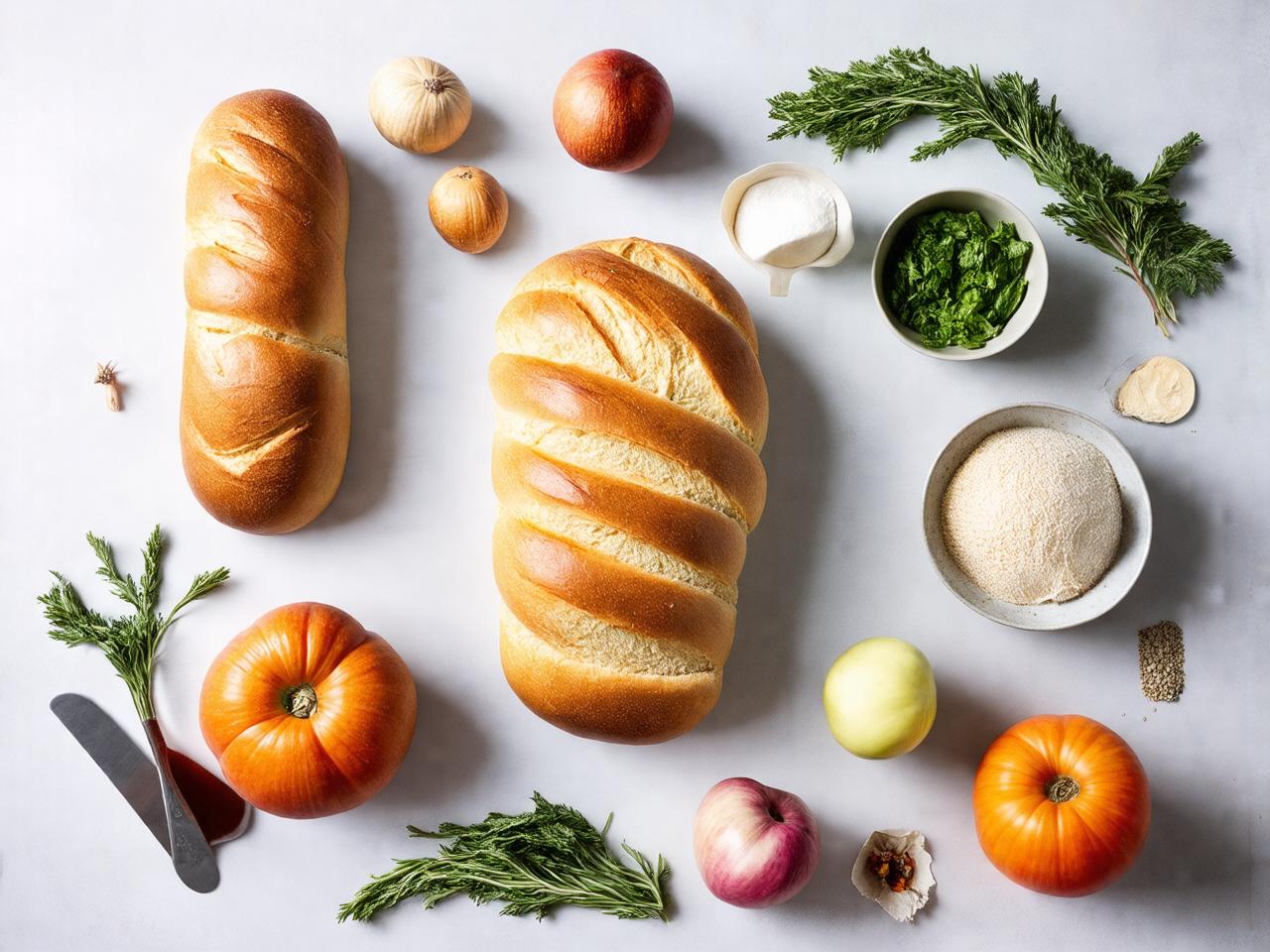
Pro Tips for Making Perfect Leidenheimer French Bread
Leidenheimer French bread is known for its distinctive crust and airy crumb. Here are some expert tips to help you achieve that bakery-quality loaf at home:
Mastering the Dough
- Hydration is Key: Leidenheimer bread typically uses a high hydration dough (around 65-70%). This creates a more open crumb structure. Don’t be afraid to add a bit more water if the dough feels too dry.
- Long Fermentation: Allow your dough to ferment for a longer period (at least 4 hours, or even overnight in the refrigerator). This develops flavor and strengthens the gluten strands, resulting in a better rise.
- Autolyse: Consider an autolyse step, where you mix the flour and water and let it rest for 30 minutes before adding the yeast and salt. This allows the flour to fully hydrate and develop gluten, leading to a smoother dough.
The Perfect Bake
- Steam is Essential: Create steam in your oven during the first 15-20 minutes of baking. This helps to develop a crispy crust. You can achieve this by placing a pan of hot water on the bottom rack of the oven.
- High Heat: Leidenheimer bread bakes at a high temperature (around 230°C/450°F). This ensures a quick rise and a beautifully browned crust.
- Rotate for Even Baking: Rotate your loaf halfway through baking to ensure even browning.
By following these tips, you’ll be well on your way to baking delicious, crusty Leidenheimer French bread at home.
Substitutions and Variations for Leidenheimer French Bread
Experiment with different ingredients and techniques to create unique flavor profiles and textures in your Leidenheimer French Bread.
Ingredient Substitutions:
- Flour: Replace 25% of all-purpose flour with bread flour for a chewier crumb or whole wheat flour for added nutrition and nutty flavor.
- Yeast: Use active dry yeast instead of instant yeast for a slower rise and more complex flavor, or try sourdough starter for a tangy, artisanal taste.
- Salt: Substitute kosher salt with sea salt for a coarser texture and more pronounced flavor, or Himalayan pink salt for a subtle mineral taste.
Technique Variations:
- Proofing time: Increase the proofing time by 30 minutes to develop a more complex flavor and better texture.
- Scoring: Try a diagonal or zig-zag scoring pattern for a more rustic, artisanal look.
- Baking temperature: Bake at 220°C (425°F) for a crispy crust and well-cooked interior, or 200°C (400°F) for a softer, more tender crumb.
Creative Variations for Leidenheimer French Bread
Take the classic Leidenheimer French bread recipe to the next level with these creative variations, each offering a unique twist in flavor and texture.
- Garlic and Rosemary: Mix 2 cloves of minced garlic and 2 sprigs of chopped rosemary into the dough for an aromatic flavor. Baking time remains the same, at 220°C / 425°F for 25-30 minutes.
- Italian-Style: Top the bread with 120 g / 1/2 cup of grated Parmesan cheese and 60 g / 1/4 cup of chopped fresh basil before baking. This variation adds 5 minutes to the baking time.
- Spicy Chorizo: Add 120 g / 1/2 cup of diced chorizo to the dough for a spicy kick. Bake at 200°C / 400°F for 30-35 minutes to prevent over-browning.
- Olive and Sun-Dried Tomato: Mix 60 g / 1/4 cup of pitted and chopped olives and 60 g / 1/4 cup of chopped sun-dried tomatoes into the dough. Bake at 220°C / 425°F for 25-30 minutes.
These variations offer a range of flavors to enhance your Leidenheimer French bread, from savory and spicy to fresh and aromatic.
Storing and Freezing Your Leidenheimer French Bread
Here’s how to keep your freshly baked Leidenheimer French bread at its best:
Room Temperature
For short-term storage, leave your bread on the counter at room temperature. It’ll stay delicious for 1-2 days, but make sure to place it in a bread box or a paper bag to prevent it from drying out.
Refrigeration
To extend the freshness, store your Leidenheimer French bread in the refrigerator. Wrap it tightly in plastic wrap or aluminum foil to prevent it from absorbing other flavors in the fridge. It will last for about 3-4 days this way.
Freezing
For longer storage, freezing is your best bet. Slice your bread before freezing for easy use later. Place the slices in a freezer-safe bag or container and freeze for up to 3 months.
To enjoy frozen bread, simply thaw it at room temperature or toast it directly from frozen.
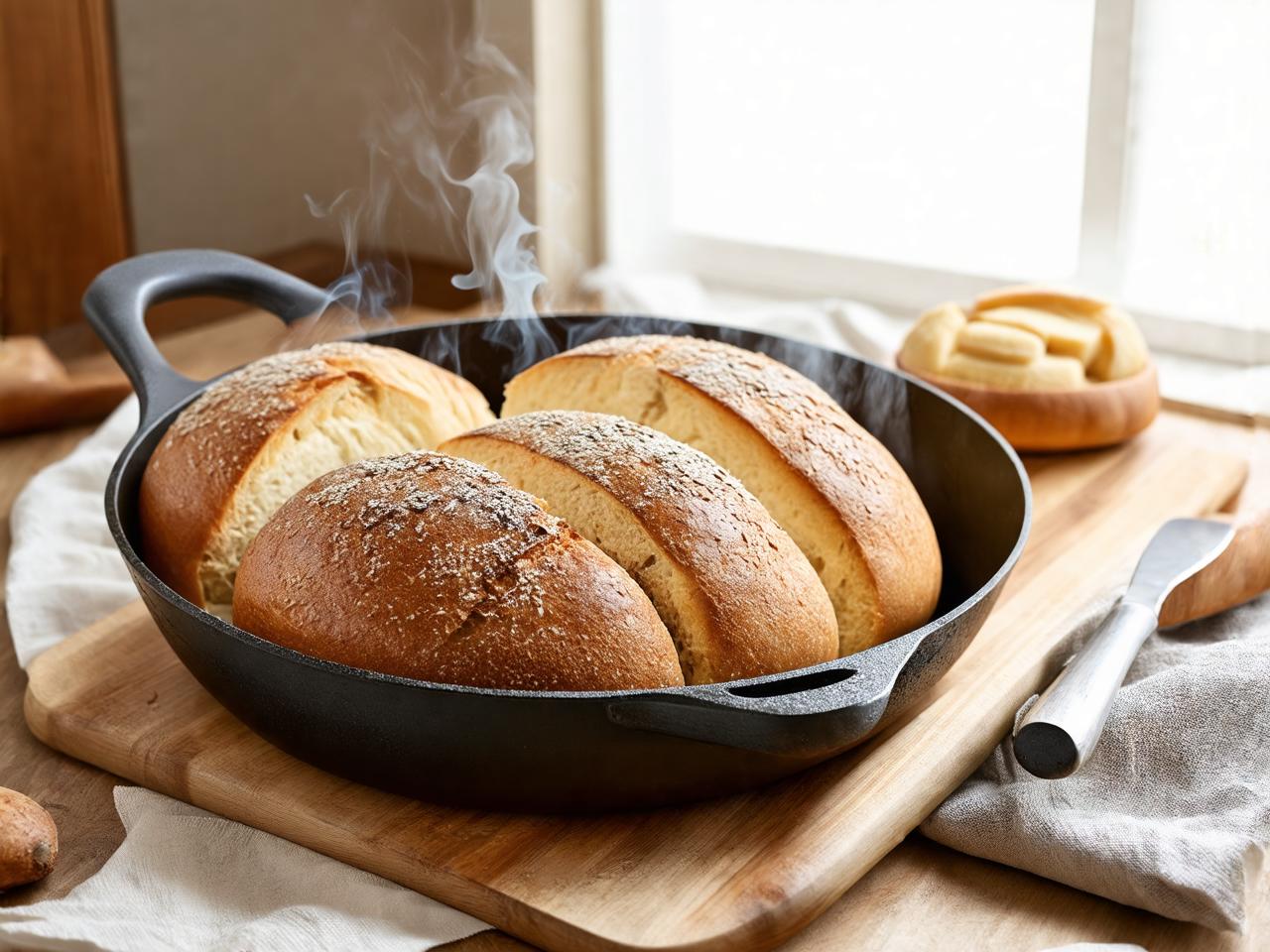
Troubleshooting Common Issues with Leidenheimer French Bread
Don’t let common bread-making mistakes ruin your perfectly good dough. Here are some solutions to common problems that may arise during the process.
Common Issues and Fixes:
-
Overmixing:
Result: Dense, tough bread.
Solution: Mix wet and dry ingredients separately and gently fold them together until just combined. Avoid overworking the dough.
-
Underbaking:
Result: Undercooked, pale crust.
Solution: Increase oven temperature by 10°C (18°F) and check for doneness by gently tapping the bottom of the loaf. It should sound hollow.
-
Overproofing:
Result: Flat, collapsed loaf.
Solution: Monitor the dough’s rise and punch it down when it reaches the desired size. Keep an eye on the temperature and adjust as needed.
-
Uneven Crust:
Result: Crust is too thick or too thin in some areas.
Solution: Rotate the loaf halfway through baking to ensure even browning. Adjust oven temperature and baking time as needed.
Nutrition Facts and Benefits of Leidenheimer French Bread
A single serving of homemade Leidenheimer French bread (45g / 1.6 oz slice) contains approximately 120 calories, with a macronutrient breakdown of 25g carbohydrates, 4g protein, and 2g fat. It is also a good source of fiber, containing about 2g per serving.
This bread is not gluten-free (GF), as it is made with wheat flour, and is also not dairy-free (DF) or vegan, due to the presence of eggs and milk in some recipes. However, it can be a part of a balanced diet when consumed in moderation.
- Calories per serving: 120
- Macronutrient breakdown: 25g carbs, 4g protein, 2g fat
- Fiber content: 2g per serving
- How long does Leidenheimer French bread typically last after baking? Leidenheimer French bread is best consumed within 24 hours of baking, but it can be stored at room temperature for up to 3 days or frozen for up to 2 months.
- Can I make Leidenheimer French bread in a bread machine? Yes, you can make Leidenheimer French bread in a bread machine, but you may need to adjust the recipe and settings to achieve the desired texture and crust.
- What is the ideal temperature for proofing Leidenheimer French bread dough? The ideal temperature for proofing Leidenheimer French bread dough is between 75°F and 80°F (24°C and 27°C), which will help the yeast fermentation process and result in a lighter, airier bread.
- Can I use a stand mixer with a dough hook attachment to mix and knead the dough? Yes, you can use a stand mixer with a dough hook attachment to mix and knead the dough, but be careful not to overmix, as this can lead to a dense, tough bread.
Frequently Asked Questions About Leidenheimer French Bread
Making Leidenheimer French bread at home can be a rewarding experience, but you might have some questions along the way. Here are answers to some of the most common inquiries:
What type of yeast is best?
Active dry yeast works best for this recipe. Make sure it’s fresh for optimal rising.
How long does the dough need to rise?
The dough will need two rises. The first rise takes about 1-1.5 hours at room temperature (20-24°C / 68-75°F), or until doubled in size. The second rise takes about 30-45 minutes after shaping.
What makes Leidenheimer French bread so unique?
Leidenheimer bread is known for its distinctive tangy flavor and crisp crust. This comes from the use of a sourdough starter and a specific baking technique that involves steam.
Can I use a different type of flour?
While this recipe uses bread flour, you can experiment with other high-protein flours like all-purpose flour. Keep in mind that the texture might be slightly different.
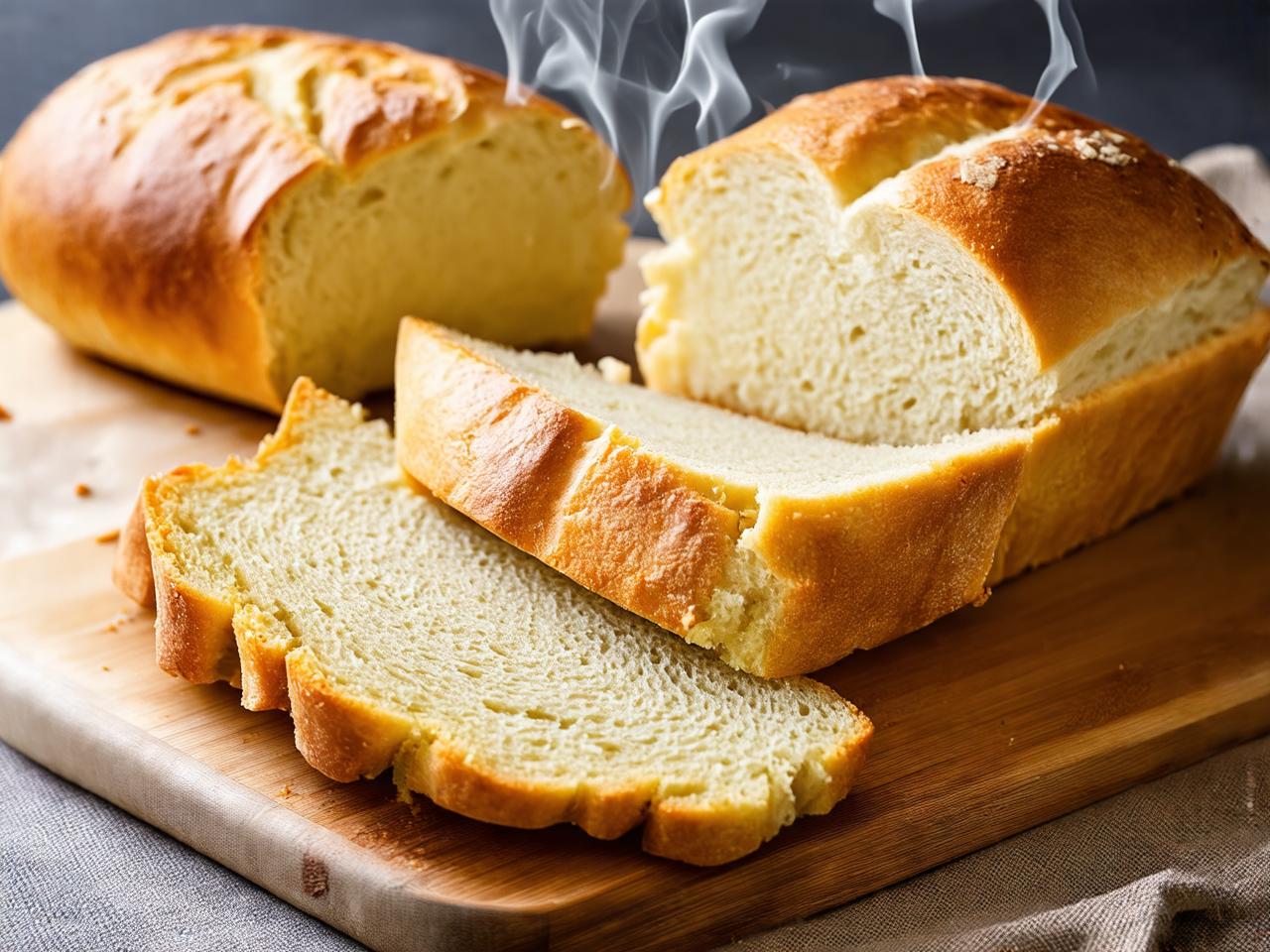
Key Takeaways from Making Leidenheimer French Bread
Mastering the art of Leidenheimer French bread requires attention to detail and a few essential techniques. Here are the key takeaways to help you achieve authentic results at home:
- Temperature control is crucial**: Ensure your ingredients, including yeast, are at room temperature (around 22°C / 72°F) for optimal fermentation.
- Use the right yeast**: Leidenheimer French bread relies on a natural yeast starter or a high-quality active dry yeast for its characteristic flavor and texture.
- Respect the dough’s rest**: Allow the dough to rest and relax during the bulk fermentation phase, as this helps develop the bread’s signature chew and crust.
- Shape with care**: Gently shape the dough into its iconic oblong form, avoiding over-working the dough to prevent a dense crumb.
- Score with precision**: Use a sharp blade to score the bread, creating a precise, shallow cut that helps control the rise and crust formation.
By mastering these techniques and tips, you’ll be well on your way to crafting authentic Leidenheimer French bread that rivals the originals.
The Joy of Making Leidenheimer French Bread at Home
There’s something truly special about the aroma of freshly baked Leidenheimer French bread filling your kitchen. The process, from mixing the dough to the satisfying crackle of the crust, is a rewarding journey. Each bite offers a taste of tradition, a testament to the simple yet profound pleasure of homemade goodness.
Give this recipe a try and experience the magic for yourself. Once you’ve mastered the art of Leidenheimer French bread, explore our collection of other bread recipes – from crusty baguettes to soft sourdough loaves, there’s a world of baking adventures waiting to be discovered.