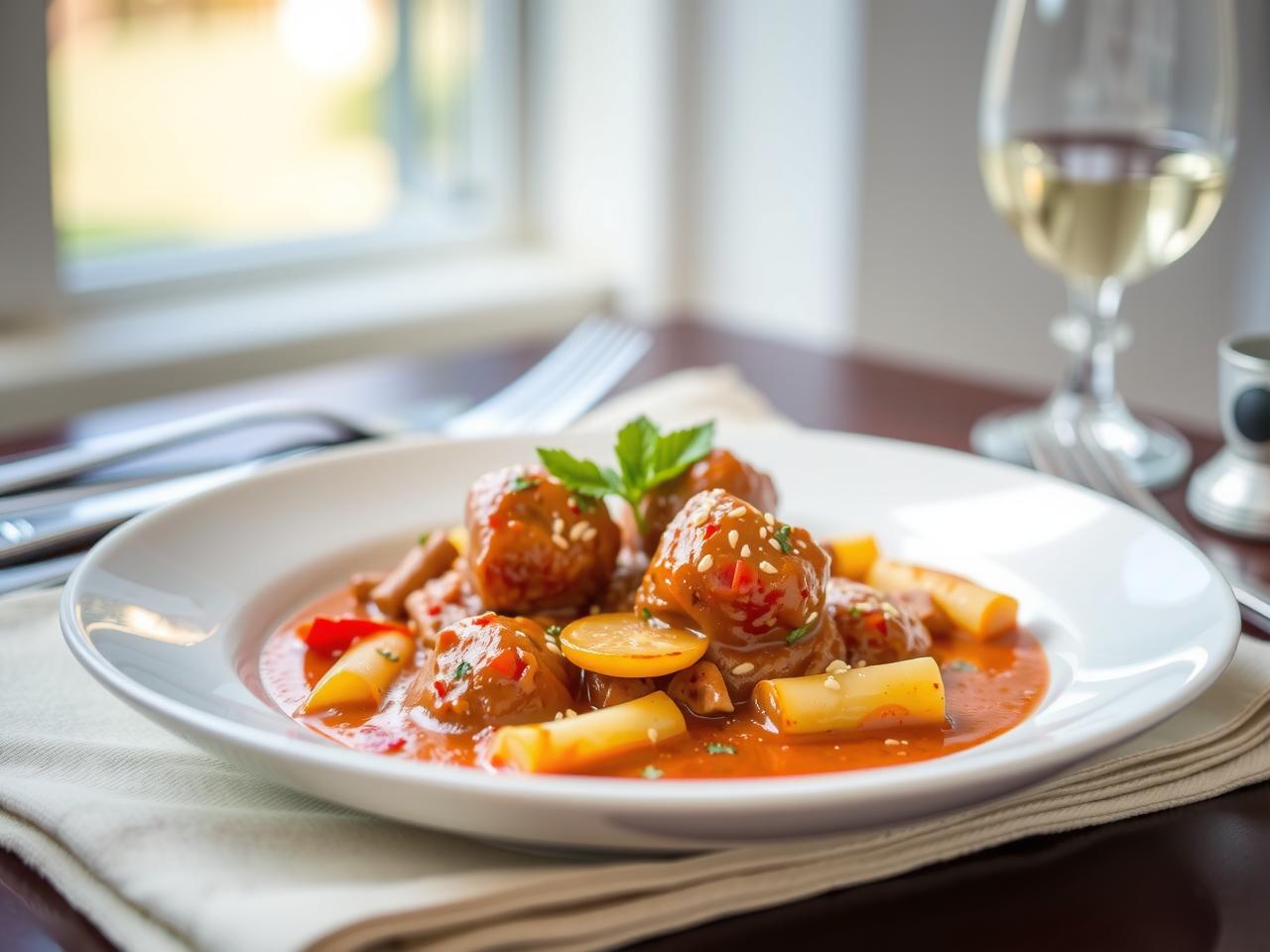
Try Justin Wilson’s Jambalaya recipe for a flavorful Cajun dish
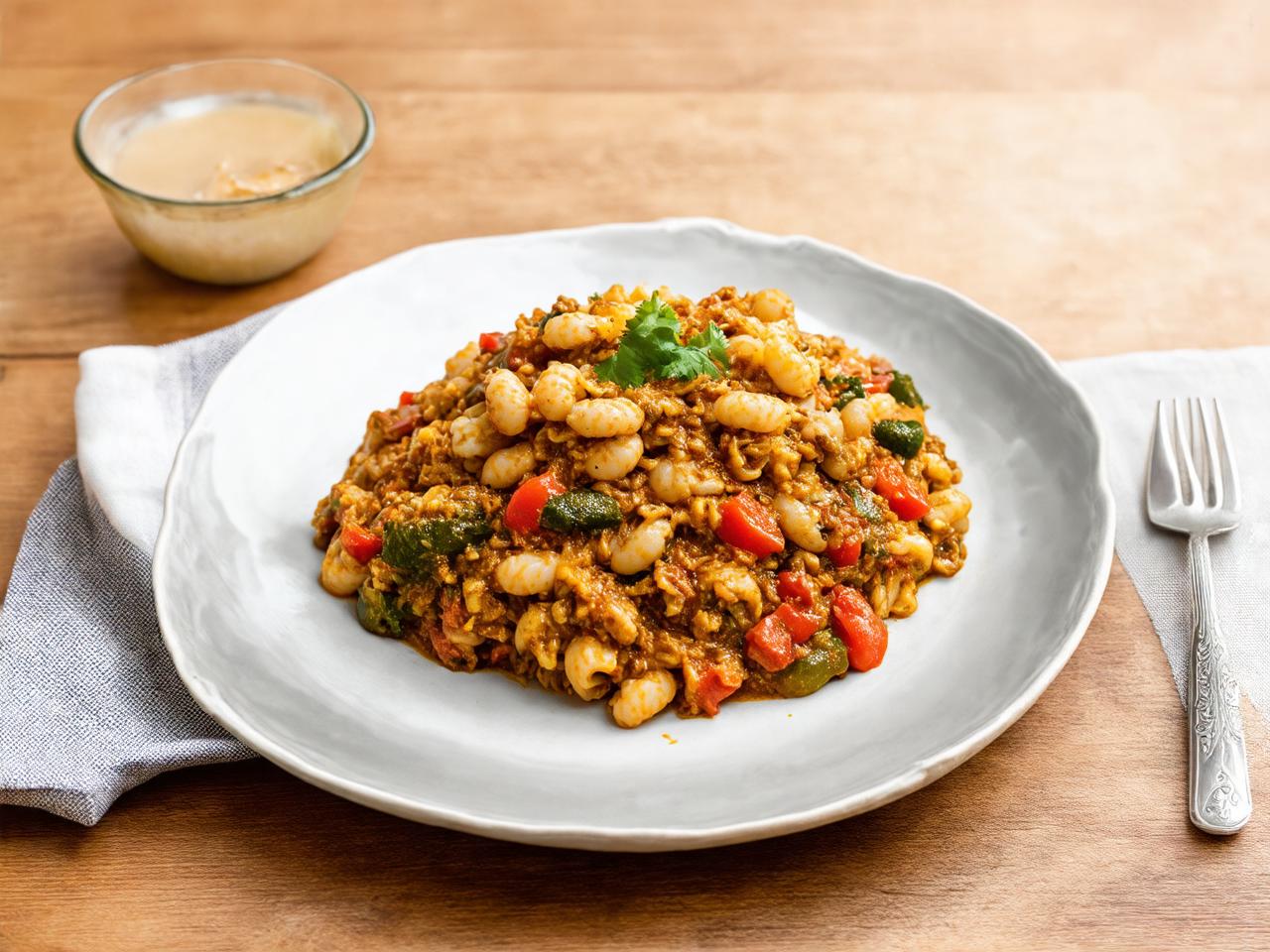
A Taste of Louisiana: Justin Wilson’s Jambalaya
Jambalaya, a vibrant and flavorful rice dish, is a cornerstone of Cajun cuisine. Its origins trace back to the melting pot of cultures that shaped Louisiana, blending French, Spanish, African, and Native American influences. This beloved dish has been passed down through generations, each family adding their own unique twist.
One name synonymous with Jambalaya is Justin Wilson, the beloved Cajun chef who brought the dish to national attention. Wilson’s down-to-earth personality and genuine passion for his heritage captivated audiences, making his Jambalaya recipe a household favorite.
This recipe captures the essence of Wilson’s culinary legacy, offering a taste of authentic Louisiana flavor. Get ready to experience the rich history and cultural significance of Jambalaya with every spoonful.
Justin Wilson Jambalaya Recipe
This classic Cajun dish, inspired by the late Chef Justin Wilson, is a staple of Louisiana cuisine. It’s a hearty, one-pot meal that combines the flavors of sausage, chicken, and seafood with the ‘holy trinity’ of Cajun cooking: onions, bell peppers, and celery.
Recipe Details
- Cooking Time: 45-50 minutes
- Servings: 4-6 people
- Difficulty Level: Moderate
Ingredients
- 1 lb (450g) smoked sausage, sliced
- 1 lb (450g) boneless, skinless chicken breast or thighs, cut into bite-sized pieces
- 1 large onion, chopped
- 3 stalks celery, chopped
- 2 large bell peppers, chopped
- 1 lb (450g) large shrimp, peeled and deveined
- 2 cloves garlic, minced
- 1 tsp (5g) dried thyme
- 1 tsp (5g) paprika
- 1 tsp (5g) cayenne pepper
- 1 tsp (5g) salt
- 1/2 tsp (2g) black pepper
- 2 tbsp (30g) vegetable oil
Ingredients for Justin Wilson Jambalaya
To create an authentic Justin Wilson Jambalaya, it’s essential to use the right combination of ingredients. This dish is known for its bold flavors, which are achieved by combining Cajun spices, meat, and seafood.
The foundation of Jambalaya is built on a mix of onions, bell peppers, and tomatoes, which are sautéed to create a rich base. The addition of protein sources like sausage and chicken adds depth, while seafood such as shrimp enhances the flavor profile.
Essential Ingredients:
- 450 g / 1 lb smoked sausage, sliced
- 350 g / 1.5 cups boneless, skinless chicken breast or thighs, cut into bite-sized pieces
- 2 large onions, chopped (250 g / 1 cup)
- 3 large bell peppers, chopped (300 g / 1.5 cups)
- 4 large tomatoes, diced (600 g / 2.5 cups)
- 15 g / 3 tbsp Cajun spice blend
- 10 g / 2 tsp dried thyme
- 5 g / 1 tsp paprika
- 2 g / 0.5 tsp cayenne pepper
- 1 tsp salt
- 0.5 tsp black pepper
- 120 ml / 0.5 cup long-grain rice
- 475 ml / 2 cups chicken broth
- 115 g / 0.5 cup large shrimp, peeled and deveined
- 2 tbsp vegetable oil
- Optional:
- 125 g / 0.5 cup chopped scallions for garnish
- 1-2 diced jalapeños for extra heat
- 1 tsp filé powder for added depth
Step-by-Step Instructions for Justin Wilson Jambalaya
This recipe brings the spirit of Justin Wilson’s famous Jambalaya right to your kitchen. Follow these detailed instructions for a truly authentic taste of Louisiana.
-
Step 1: Prep the Ingredients
Cut the andouille sausage into 1-inch pieces and set aside. Dice the onion, green bell pepper, and celery into 1/2-inch pieces. Rinse and drain the kidney beans and diced tomatoes. Measure out all other ingredients.
-
Step 2: Brown the Sausage
Heat the olive oil in a large Dutch oven or pot over medium-high heat. Add the andouille sausage and cook, stirring occasionally, until browned on all sides (about 5-7 minutes).
-
Step 3: Sauté the Vegetables
Add the diced onion, green bell pepper, and celery to the pot and cook, stirring frequently, until softened (about 5 minutes).
-
Step 4: Build the Flavor Base
Stir in the garlic, Cajun seasoning, salt, and black pepper. Cook for 1 minute, stirring constantly, to allow the spices to bloom.
-
Step 5: Add Rice and Liquids
Pour in the chicken broth, diced tomatoes, and rinsed kidney beans. Bring the mixture to a boil, then stir in the long-grain rice.
-
Step 6: Simmer and Absorb
Reduce the heat to low, cover the pot tightly, and simmer for 20 minutes, or until the rice is tender and the liquid is absorbed.
-
Step 7: Stir and Rest
Remove the pot from the heat and let it stand, covered, for 5 minutes. Fluff the jambalaya gently with a fork before serving.

Pro Tips for Making the Best Justin Wilson Jambalaya
Mastering the art of Cajun cooking requires attention to detail and a deep understanding of the flavors involved. To take your Justin Wilson Jambalaya to the next level, follow these expert tips and avoid common pitfalls.
Choose the Right Rice
Use long-grain rice, such as Camellia or Jasmine, which can withstand the high liquid content of the dish without becoming mushy. Avoid using short-grain rice, like Arborio, which is better suited for risottos.
- Use a mix of Andouille and smoked sausage for added depth of flavor.
- Don’t overcook the rice – it should be slightly firm in the center.
- Avoid overcrowding the pot, which can lead to uneven cooking and a lack of caramelization.
Common Pitfalls to Avoid
- Don’t skip the browning step, as it’s essential for developing the rich, caramelized flavors of the dish.
- Be mindful of the heat – high temperatures can burn the rice and sausage, while low temperatures can lead to a soggy texture.
- Use the right type of tomatoes – crushed or diced tomatoes work best, as they break down and add flavor to the dish.
By following these expert tips and avoiding common pitfalls, you’ll be well on your way to creating a truly authentic Justin Wilson Jambalaya that’s sure to impress.
Substitutions and Alternatives in Justin Wilson Jambalaya
To cater to diverse tastes and dietary requirements, several ingredients in the Justin Wilson Jambalaya recipe can be substituted or modified. For a vegetarian version, replace the 450 g / 1 lb of sausage with 240 g / 1 cup of portobello mushrooms, sliced and marinated in 15 ml / 1 tbsp of olive oil and 15 ml / 1 tbsp of Cajun seasoning.
- For a spicy kick, add 2-3 diced jalapeños or substitute 5 g / 1 tsp of cayenne pepper for 5 g / 1 tsp of paprika.
- To reduce sodium, use 5 g / 1 tsp of salt-free seasoning blend and 2.5 g / 0.5 tsp of salt, or to taste.
- For gluten-free Jambalaya, substitute 240 g / 1 cup of gluten-free long-grain rice and ensure the sausage and seasoning blends are gluten-free.
When making substitutions, cook the dish at 190°C / 375°F for an additional 10-15 minutes to ensure the flavors meld together and the ingredients are fully cooked.
Variations on Justin Wilson’s Jambalaya
Justin Wilson’s jambalaya is a fantastic starting point, but don’t be afraid to experiment! Here are a few variations to get your creative juices flowing:
-
Seafood Jambalaya
Swap the chicken and sausage for a medley of shrimp, crawfish, and crab. Add a splash of fish broth for extra flavor. Cooking time will increase slightly due to the seafood.
-
Spicy Andouille Jambalaya
Boost the heat factor by using extra spicy Andouille sausage and adding diced jalapeños or serrano peppers to the rice while it cooks.
-
Vegetarian Jambalaya
Omit the meat and use vegetable broth instead. Add a variety of colorful vegetables like bell peppers, onions, zucchini, and mushrooms for a hearty and flavorful jambalaya.
Remember, these are just suggestions. Feel free to combine variations or add your own unique ingredients to create your perfect bowl of jambalaya!
Storing and Reheating Justin Wilson Jambalaya for Optimal Flavor and Texture
After cooking this classic Cajun dish, you’ll want to store and reheat it to maintain its signature flavor and texture. Follow these best practices to ensure food safety and quality.
Cooling and Refrigeration
Let the jambalaya cool to room temperature within 2 hours of cooking. Transfer it to a shallow, airtight container and refrigerate at 4°C (39°F) or below.
- Refrigerate jambalaya for up to 3 to 5 days.
- Freeze for up to 3 months in airtight containers or freezer bags.
Reheating Instructions
Reheat jambalaya to an internal temperature of 74°C (165°F) or above. You can reheat it:
- In the microwave: Cover and heat on high for 2-3 minutes, stirring every 30 seconds, until hot and steaming.
- On the stovetop: Reheat over low heat, stirring occasionally, until hot and steaming.
Remember to always check the jambalaya’s temperature before serving to ensure food safety.

Troubleshooting Common Issues in Justin Wilson Jambalaya
Even with a reliable recipe like Justin Wilson Jambalaya, issues can arise during preparation. Identifying and resolving these problems is key to achieving the perfect dish. Common issues include overcooking, underseasoning, and inconsistent texture.
To address these problems, consider the following solutions:
- Overcooking: Reduce heat to 180°C / 350°F and stir frequently to prevent burning. Adjust cooking time based on ingredient quantities and pot size.
- Underseasoning: Add 5-10 g / 1-2 teaspoons of Cajun seasoning or paprika to taste. Balance flavors with 15-30 ml / 1-2 tablespoons of acidic ingredients like lemon juice or vinegar.
- Inconsistent texture: Ensure 240 g / 1 cup of uncooked rice is cooked with 480 ml / 2 cups of liquid. Adjust liquid levels and cooking time to achieve the desired texture.
- Insufficient browning: Increase heat to 200°C / 400°F and cook for an additional 5-10 minutes to enhance the crust formation on the bottom of the pot.
By recognizing and addressing these common issues, the Justin Wilson Jambalaya recipe can be perfected, resulting in a delicious and authentic Louisiana dish.
Nutritional Information for Justin Wilson Jambalaya
This hearty Jambalaya packs a punch of flavor, but it’s important to be mindful of its nutritional content. A typical serving (about 240 g / 1 cup) provides approximately 450 calories, with 25g of protein, 60g of carbohydrates, and 15g of fat.
The dish is a good source of fiber and iron, thanks to the rice, vegetables, and meat. However, it is also relatively high in sodium. Keep this in mind if you are watching your salt intake.
Potential Allergens: This recipe contains gluten, dairy, and shellfish. Please adjust ingredients accordingly if you have allergies or dietary restrictions.
- Can I use andouille sausage instead of kielbasa? Yes, andouille sausage is a traditional choice and will add a smoky flavor.
- What’s the best substitute for chicken? You can use boneless pork or beef, or even shrimp for a seafood twist.
- Can I use store-bought broth? While it’s convenient, homemade broth adds depth to the dish. Use a combination of chicken and beef broth for a richer flavor.
- Why do I need to brown the sausage and chicken before adding the rice? Browning creates a flavorful crust that enhances the dish.
- Can I cook the jambalaya in a slow cooker? Yes, but adjust the cooking time and liquid levels according to your slow cooker’s specifications.
- How do I prevent the rice from becoming mushy? Stir the jambalaya regularly and adjust the heat to prevent scorching.

Key Takeaways from Justin Wilson Jambalaya Recipe
Preparing the Justin Wilson Jambalaya Recipe yields valuable insights into cooking techniques and ingredient selection. A crucial lesson is the importance of the “holy trinity” of Cajun cuisine: onions, bell peppers, and celery. Sautéing these aromatics in oil over medium-high heat (200°C / 400°F) lays the foundation for a rich, depthful flavor profile.
- Layering flavors: Gradually adding ingredients, from the trinity to proteins and spices, allows each component to contribute to the dish’s complexity.
- Balancing heat: The recipe’s use of andouille sausage and cayenne pepper demonstrates how to strike a balance between spicy and savory flavors.
In terms of ingredient selection, the recipe highlights the value of using high-quality proteins, such as 450 g / 1 lb smoked sausage and 340 g / 0.75 lb boneless chicken. Cooking the jambalaya in a large, heavy pot over low heat (150°C / 300°F) ensures that the flavors meld together and the rice is cooked to perfection.
Mastering Justin Wilson Jambalaya Recipe
With this Justin Wilson Jambalaya Recipe, you’ve unlocked the rich flavors and cultural heritage of Cajun cuisine. This classic dish, made famous by the Bayou cook, offers a harmonious balance of spicy and savory notes that will leave you craving for more.
As you’ve followed each step and ingredient, you’ve taken the first step to mastering this beloved recipe. We encourage you to try it with confidence and experiment with variations to make it your own.
Explore more of Cajun cuisine with our related recipes, and discover the diversity of flavors that make this region’s cooking so unique.